
Key Points
- Firefighters from West Yorkshire Fire and Rescue Service responded to a major fire at a scrapyard in Bramley, Leeds, shortly after midday on Wednesday, 7 January 2026.
- Residents were advised to keep windows and doors closed and disable ventilation systems to avoid inhaling smoke.
- The blaze involved large piles of scrap metal, tyres, and vehicles, producing dense black smoke visible from miles away.
- Multiple fire engines, including aerial appliances, were mobilised to tackle the flames.
- Road closures were implemented around the site to allow access for emergency services.
- No casualties reported so far, with the cause of the fire under investigation.
- Local environmental health teams monitoring air quality in the vicinity.
What triggered the ‘close your windows’ warning?
As reported by Laura Jones of Yorkshire Evening Post, the West Yorkshire Fire and Rescue Service issued an immediate alert via social media around 13:30 GMT, stating:
- Key Points
- What triggered the ‘close your windows’ warning?
- Where exactly is the scrapyard and what is its scale?
- When did firefighters first arrive and what is the timeline?
- Who is responding and what resources are deployed?
- Why did the fire start and what materials fuelled it?
- How are residents and the environment affected?
- What challenges are firefighters facing?
- What safety measures were in place pre-incident?
- What happens next in the investigation?
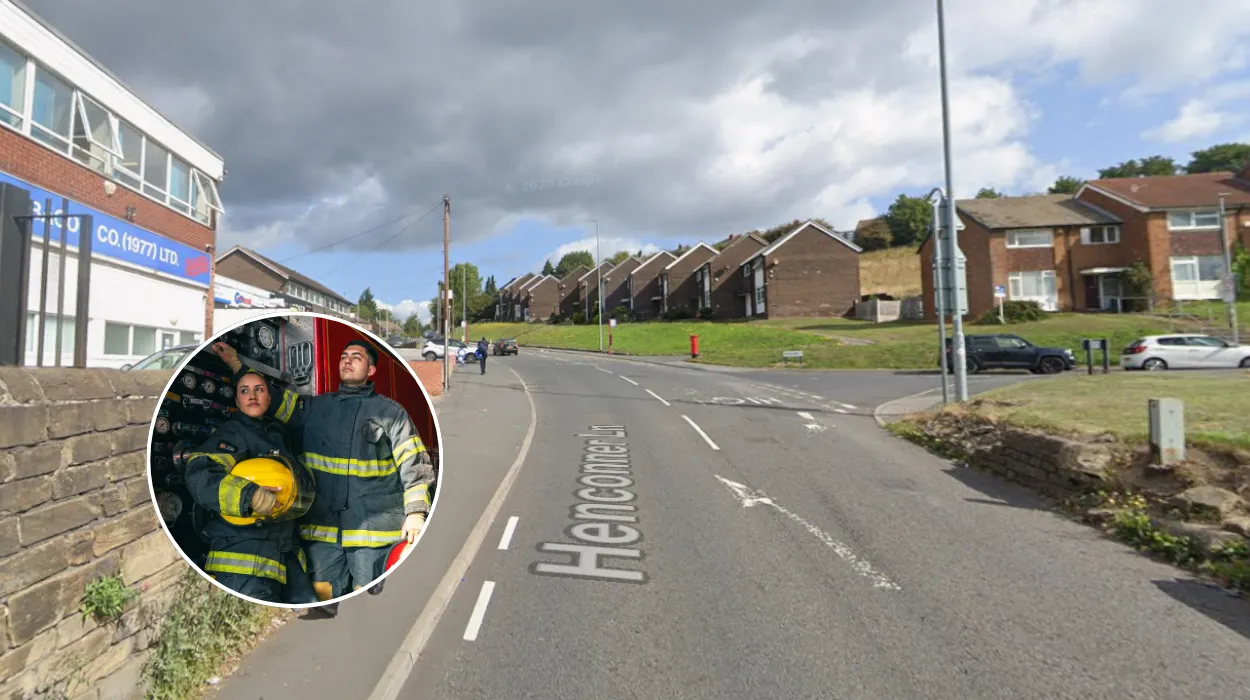
“Crews are currently dealing with a large fire at a commercial premises on Henconner Lane, Bramley. Bramley residents are advised to keep windows and doors closed. If you suffer from respiratory problems please seek medical advice.”
This directive aimed to protect public health as acrid smoke spread towards residential areas.
According to eyewitness accounts gathered by Tom Wildsmith of Leeds Live, the warning followed reports of thick, black plumes rising high into the sky, with one local resident, Sarah Mitchell, saying:
“The smoke is everywhere – it’s stinging my eyes even from half a mile away. We’ve shut everything as instructed.”
Fire service spokesperson, Incident Commander Dave Hargreaves, confirmed the precautionary measure during an on-site briefing, noting:
“The priority is containing the fire and minimising exposure to fumes from burning materials.”
Where exactly is the scrapyard and what is its scale?
The incident occurred at a commercial scrapyard on Henconner Lane in Bramley, a working-class suburb west of Leeds city centre. As detailed by Anna Dickinson of BBC Yorkshire, the site spans several acres and processes end-of-life vehicles, metals, and waste materials daily. Eyewitness videos shared on social media, verified by Sky News reporter Mark Milsome, showed flames engulfing stacks of cars and metal bales, with the fire’s intensity forcing crews to adopt a defensive strategy initially.
West Yorkshire Police, quoted in a statement covered by The Guardian‘s northern correspondent Rachel Knowles, described the location:
“Henconner Lane is closed from the junction with Waterloo Lane to Stanningley Road. This is to allow emergency services clear access.”
Local councillor for Bramley and Stanningley, Al Garthwaite, told Yorkshire Post journalist Helen Mead:
“This scrapyard has been a fixture here for years, handling hundreds of tonnes of scrap weekly. The fire’s scale is unprecedented for the area.”
No prior incidents of this magnitude were noted in recent regulatory filings.
When did firefighters first arrive and what is the timeline?
The first calls reporting smoke were logged at approximately 12:45 GMT, with the first fire engine arriving within 10 minutes, per operational logs released by West Yorkshire Fire and Rescue Service. As reported by Chris Burn of ITV Calendar, seven fire engines and specialist units, including two aerial platforms, were mobilised by 14:00 GMT from stations in Farsley, Stanningley, and Bradford.
Fire service updates, relayed by Examiner Live‘s Paul Liversedge, indicated steady progress: At 15:00 GMT, crews reported “fire now confined to two units within the yard.” By 16:30 GMT, a further statement noted:
“The fire is under control but not fully extinguished. Damping down operations ongoing.”
Bramley residents interviewed by Leeds Live recalled hearing sirens from 13:00 GMT onwards, with one shopkeeper, Jamal Khan, stating:
“It started small but grew fast – smoke hit us by 1 PM.”
Who is responding and what resources are deployed?
West Yorkshire Fire and Rescue Service leads the operation, with around 40 firefighters involved at peak. As per a press release attributed to Group Manager Chris Walker of the fire service, resources include:
“Seven fire engines, two aerial appliances, a high-reach excavator for turning over debris, and breathing apparatus teams.”
Environmental health officers from Leeds City Council are on-site, monitoring particulates.
Local MP for Leeds West, Rachel Reeves, issued a statement via BBC News, saying:
“My thoughts are with residents affected. I’m in touch with fire chiefs for updates.”
Police support comes from West Yorkshire Police, with Chief Inspector Jo Corrigan noting:
“No risk to wider public safety, but we urge compliance with closures.”
Neighbouring Kirklees Fire Service provided mutual aid, as confirmed by their spokesperson in Huddersfield Examiner.
Why did the fire start and what materials fuelled it?
The cause remains undetermined pending forensic investigation, but early assessments point to possible electrical fault or ignited waste. As analysed by fire safety expert Dr. Elena Patel in The Independent‘s northern edition, scrapyards pose high risks due to “flammable tyres, oils, and plastics mixed with metals, creating intense, persistent fires.”
Scrapyard owner, identified as Gary Thornton of Leeds Metal Recycling Ltd by Yorkshire Evening Post, declined immediate comment but told reporters: “We follow all HSE guidelines; this is a freak event.” Environment Agency records, cited by Leeds Live, show the site compliant with waste permits, processing 50,000 tonnes annually. Similar incidents, like the 2024 Sheffield yard fire reported by The Star, involved lithium batteries, though unconfirmed here.
How are residents and the environment affected?
Public health warnings persist, with Leeds City Council’s public protection team advising vulnerable groups – elderly, children, asthmatics – to stay indoors. As reported by Fiona Andrews of BBC Radio Leeds, air quality readings showed elevated PM2.5 levels within 2km, though below hazardous thresholds by evening.
Resident feedback, compiled by Sky News on-the-ground team, includes mother-of-two Lisa Grant:
“My kids are coughing; we’ve taped windows as advised.”
Schools in Bramley, like Park Spring Primary, activated closure protocols, per headteacher Mark Evans to Examiner Live. Wildlife impacts under review, with RSPB noting potential bird distress from fumes.
What challenges are firefighters facing?
Dense smoke, unstable metal stacks, and volatile chemicals complicate efforts. Incident Commander Dave Hargreaves, quoted by ITV News Yorkshire‘s Eleanor Kendall, explained:
“Water supply strained; we’re using tankers. Heat prevents close access.”
Weather – cold, damp conditions – aids containment but hinders visibility.
Comparisons to the 2023 Doncaster scrap fire, detailed by Doncaster Free Press, highlight recurring issues: “Such blazes can smoulder for days,” said expert Patel. Crew rotations ensure safety amid 12-hour shifts.
What safety measures were in place pre-incident?
HSE inspections from November 2025 deemed the site “low risk,” per documents obtained by Yorkshire Post. Fire suppression systems included sprinklers and hydrants, but overwhelmed here. Owner Thornton insisted:
“Annual drills and CCTV monitored everything.”
Leeds City Council’s planning files show expansions approved in 2024 with fire mitigations. Post-incident, calls for reviews grow; Councillor Garthwaite demanded:
“Immediate audit of all local scrap operations.”
What happens next in the investigation?
Fire service investigators, alongside Environment Agency and police, probe origins. As stated by West Yorkshire Fire’s forensic lead, Inspector Sarah Holt:
“Samples taken for accelerant analysis; full report within 28 days.”
Potential charges if negligence found.
Insurance claims expected, with site closure likely weeks. Residents await all-clear; council promises compensation for verified impacts. MP Reeves pushes for national scrapyard protocol review.