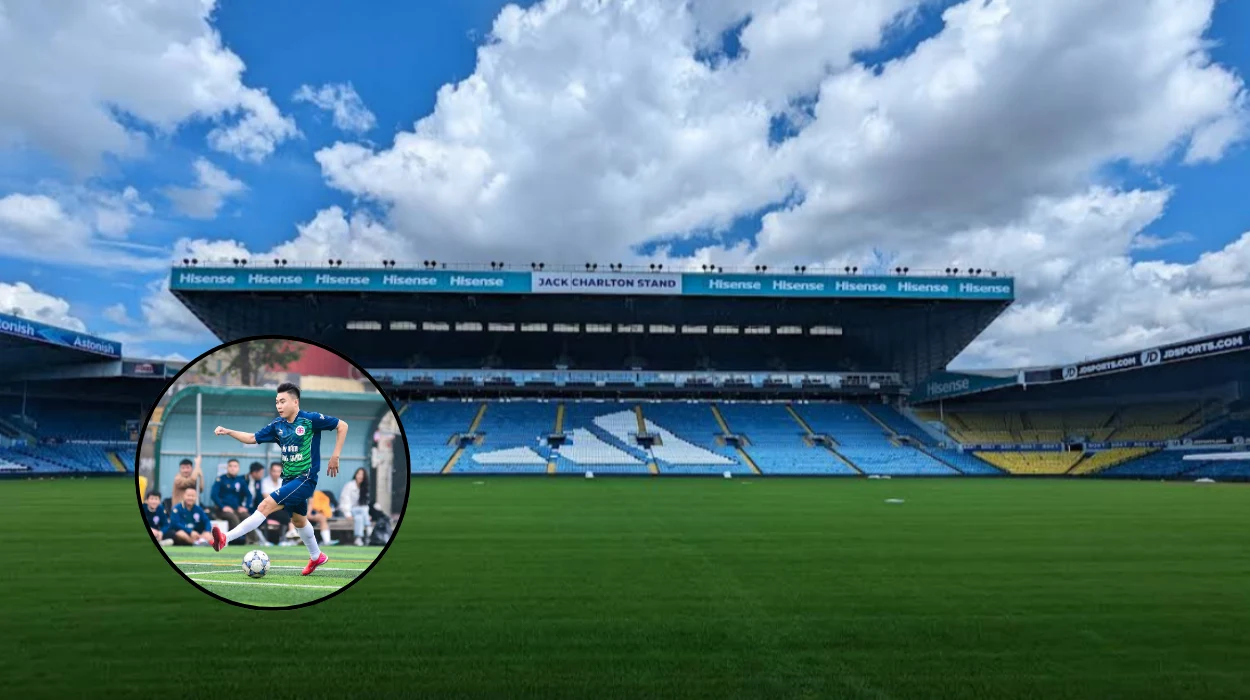
Key Points
- Leeds United has secured planning permission to expand Elland Road Stadium capacity from 37,645 to 53,000 seats.
- Expansion targets West and North Stands with alterations to South Stand, transforming the venue into a UEFA Category 4 stadium.
- Project positions redevelopment as catalyst for local regeneration, including council plans for 2,000 homes on surrounding land.
- Enabling works start immediately, major construction after current season; stadium remains operational during works.
- Chairman Paraag Marathe hails decision as historic for club’s Premier League ambitions and long-term success.
- Leeds City Council deputy leader Cllr Jonathan Pryor highlights employment and area anchor benefits.
Leeds (The Leeds Times) January 12, 2026 – Leeds United Football Club has received planning approval for a transformative Elland Road Stadium expansion, framing it as a key driver for urban regeneration two years after regaining full ownership.
The plans will boost capacity by around 15,500 seats through rebuilding the West and North Stands and modifying the South Stand, creating one of the largest club stadiums in the UK and enabling bids for international tournaments.
Enhanced facilities include improved seating, sightlines, concourses, hospitality areas and accessibility, while protecting the venue’s iconic atmosphere.
What does the approved expansion entail?
Leeds City Council’s Plans Panel granted approval on Thursday for the hybrid application submitted in July, following initial ambitions outlined in September 2024 with architects KSS leading the design.
According to Leeds United’s official announcement, the redevelopment elevates Elland Road to UEFA Category 4 status among Europe’s elite venues, with enabling works commencing immediately and major construction post-season to keep the stadium open for matches.
As reported by Morrie Eisenberg of Leeds United FC, the collective effort involved Leeds City Council, local communities in Holbeck and Beeston, National Highways and supporters, achieving progress from vision to approval in months.
How will this drive regeneration in Leeds?
The project anchors wider regeneration on 30 acres of council-owned land around the stadium, inspiring plans for up to 2,000 homes, commercial spaces and infrastructure upgrades like parking, access and transport links to nearby stations.
Cllr Jonathan Pryor, Leeds City Council’s deputy leader, stated:
“It’s not just for the football fans, numerous as they may be; the amount of employment this will create is fantastic. I think the stadium itself is almost an anchor for why people are going to come there and why people are going to love this area.”
What economic and cultural benefits are expected?
Place Yorkshire reports the expansion generates cultural and economic value for the Leeds City Region, turning the stadium into a year-round destination beyond matchdays, with potential for major events and enhanced earning power for the city.
Leeds United Chairman Paraag Marathe said:
“We are delighted to have secured planning permission for the expansion of Elland Road Stadium. This is a historic day for Leeds United Football Club. As custodians of this great club, we are committed to its long-term success, and today’s decision supports our ambition to establish Leeds in the Premier League and continue progressing over the years to come.”
What is the timeline and cost of the project?
Estimated at £130 million, the phased approach focuses on the West Stand as a three-tier structure doubling to 17,750 seats for symmetry with the East Stand, with future South Stand modernisation possibly adding 3,500 more seats toward 56,500 capacity.
Benews.co.uk confirms the stadium stays operational throughout, preserving its raucous atmosphere while delivering improved amenities and reducing the 26,000-strong season ticket waiting list.
The Stadium Business notes the club’s announcement in September 2024 marked the start, culminating in this week’s green light from council planners.
This approval, two years after 49ers Enterprises regained full ownership, underscores Leeds United’s commitment to sustainable growth, blending sporting excellence with community upliftment as reported across multiple outlets including the club’s site and local authorities.