
Wetherby is a historic Yorkshire market town on the River Wharfe at the northern edge of the Leeds district, known for its coaching‑inn heritage, Thursday market and riverside walks, making it an attractive base or day trip for Leeds residents and visitors alike. Its mix of medieval history, Georgian and Victorian architecture, modern amenities and strategic position on the A1 and between Leeds, York and Harrogate gives Wetherby a lasting appeal that fits perfectly with an evergreen Leeds Times guide.
- Where Wetherby Sits In The Leeds Story
- A Short History: From Knights Templar To Market Town
- Coaching Inns, Bridges And The River Wharfe
- Demographics, Community And Everyday Life
- Things To Do In Wetherby All Year Round
- Living In Wetherby: Transport, Schools And Services
- Wetherby’s Role In The Wider Region
- Why Wetherby Works As An Evergreen Leeds Topic
Where Wetherby Sits In The Leeds Story
Wetherby lies in the City of Leeds metropolitan borough in West Yorkshire, on the River Wharfe and close to the A1(M), roughly midway between Leeds, York and Harrogate. It is officially part of the Leeds local authority area and parliamentary constituency, but feels like a self‑contained market town with its own centre, riverside and hinterland of villages.
Historically, Wetherby’s position on the Great North Road made it an important staging post between London and Edinburgh, giving it far‑reaching connections that still shape its identity today. Modern road links keep that role alive, with easy access for commuters and day‑trippers from across West Yorkshire and North Yorkshire.
A Short History: From Knights Templar To Market Town
The recorded history of Wetherby begins in the 12th and 13th centuries, when the Knights Templar and later the Knights Hospitallers were granted land and properties in the area. A preceptory founded in 1217 at nearby Ribston Park formed part of a wider network of religious‑military estates across Yorkshire.
In 1240, Henry III granted the Knights Templar a Royal Charter to hold a weekly market in Wetherby (then “Werreby”) on Thursdays and an annual fair around the feast of St James the Apostle. That market charter underpinned Wetherby’s growth as a trading centre for butchers, tanners, grocers, weavers and other local trades, anchoring a commercial tradition that continues in modern form in the town’s markets and independent shops.
For centuries, Wetherby prospered as a key stop on the approximately 400‑mile droving route from Scotland to English markets, where lame or underfed cattle were traded for healthier beasts. Traffic on the Great North Road brought custom to the town’s inns, blacksmiths and merchants and ensured that Wetherby’s economy was closely tied to long‑distance travel and trade.
Coaching Inns, Bridges And The River Wharfe
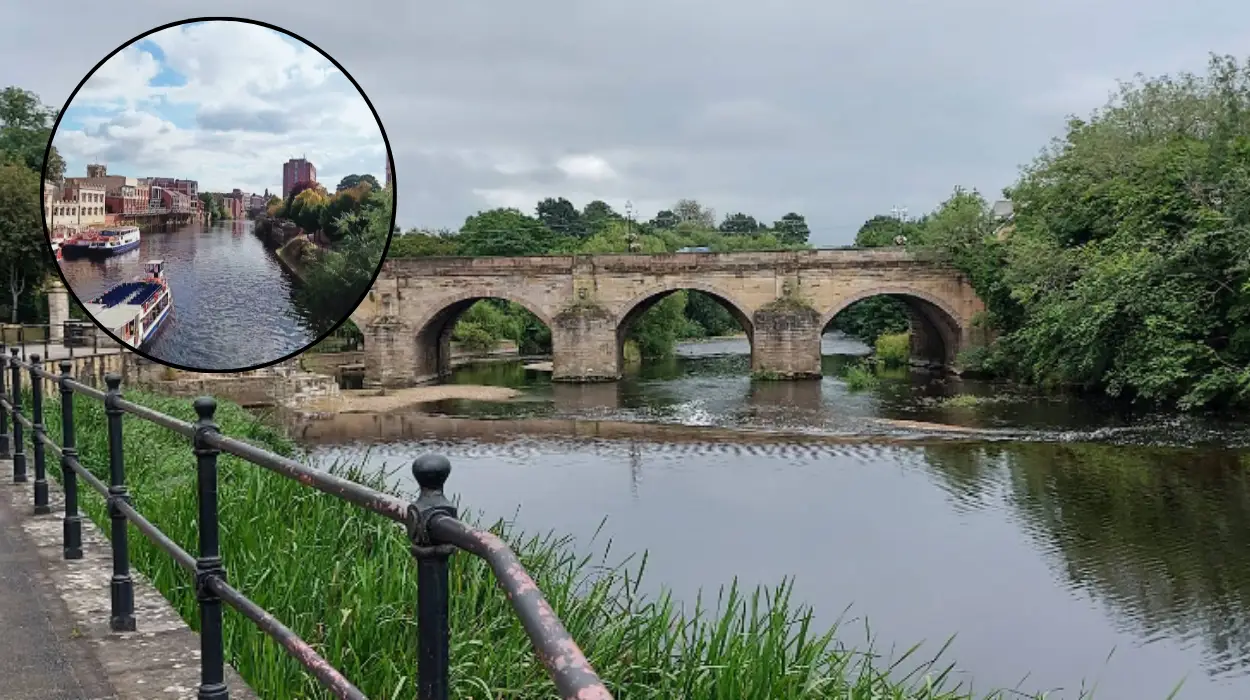
Wetherby’s historic core grew up around the crossing of the River Wharfe, where a bridge linked routes across the valley and towards the Great North Road. The river remains central to the town’s character today, providing scenic walks, fishing spots and a green corridor that softens the urban edge of the settlement.
During the coaching era, Wetherby was famous for its inns and stables, serving travellers and mail coaches on the London–Edinburgh road. Many of these historic inns have evolved into pubs, hotels or restaurants, meaning modern visitors can still experience something of the town’s traditional role as a hospitable resting place.
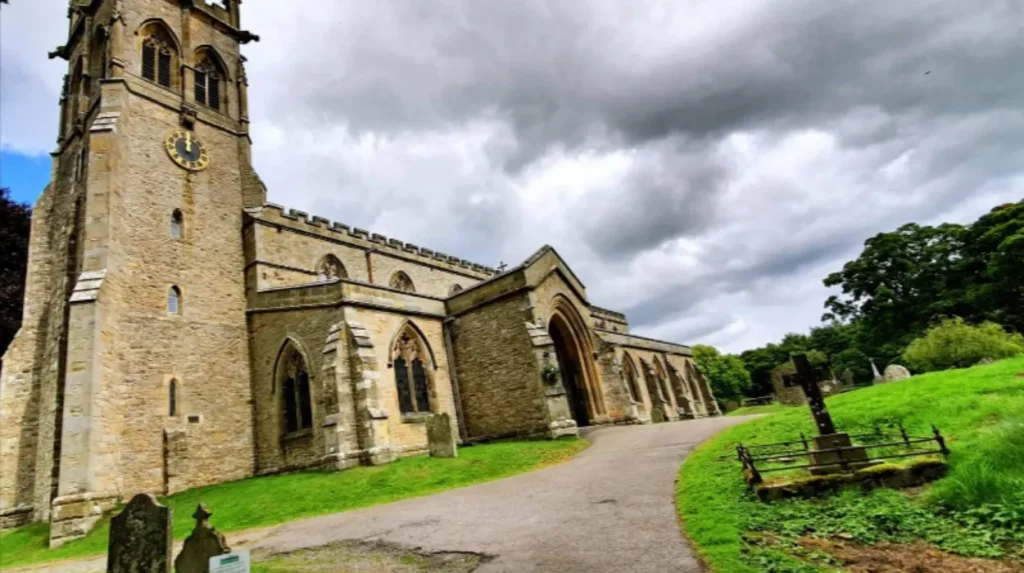
The stone architecture, narrow streets and river views give Wetherby a classic small‑town Yorkshire feel, contrasting with the larger urban centres further south in the Leeds district. For Leeds Times readers, this combination of historical streetscape and riverside setting makes Wetherby a particularly photogenic and walkable destination in every season.
Demographics, Community And Everyday Life
According to census‑based statistics, Wetherby’s built‑up area had a population of around 11,154 in 2001, 10,772 in 2011 and 11,712 in 2021, indicating a relatively stable but gently growing town. Within that population, recent data show slightly more females than males and a significant proportion of residents in older age groups, reflecting Wetherby’s appeal to retirees as well as families.
In 2021, about 2,043 residents were under 18, around 6,094 were aged 18 to 64, and about 3,569 were 65 or over, giving Wetherby a balanced but mature age profile compared with some inner‑Leeds neighbourhoods. The vast majority of residents were born in the UK, with smaller communities from the EU, wider Europe and regions including the Middle East and Asia, contributing to a modest but growing diversity.
This demographic mix shapes local services, from schools and youth activities to healthcare, community centres and social clubs for older people. For Leeds‑based readers thinking about relocating, it positions Wetherby as a calm, community‑oriented town with strong amenities for families and older residents alike.
Things To Do In Wetherby All Year Round
Wetherby’s attractions are varied enough to support repeat visits across the year, which is a key reason the town works so well as an evergreen feature for a Leeds audience. Many highlights are rooted in landscape and heritage rather than short‑term events, keeping them relevant regardless of season.
- The Georgian Bathhouse on Wharfedale Lawn is a rare survival from the early 19th‑century craze for cold‑water bathing, now undergoing careful restoration and viewable from outside as an atmospheric reminder of Georgian health culture.
- Stockeld Park, on the A661 between Wetherby and Harrogate, offers year‑round family adventures, from a real ice rink and Christmas lights in winter to an Enchanted Forest, maze, outdoor play and seasonal events in spring and summer.
Beyond these headline locations, visitors can enjoy riverside walks along the Wharfe, browse independent shops and cafes in the town centre, or explore nearby historic landscapes such as Plumpton Rocks, a 30‑acre garden of lakes, woodland and dramatic millstone grit rock formations praised by Queen Mary as “Heaven on Earth”. Markets, local sports clubs and community events add a steady rhythm of activity that gives Wetherby life beyond tourism.
Living In Wetherby: Transport, Schools And Services
Although Wetherby no longer has its own railway station, the town is well linked by road, with the A1(M) providing fast access to Leeds, York, Harrogate and further afield. Regular bus services connect Wetherby to Leeds city centre and other West Yorkshire destinations, making commuting feasible for residents who value a smaller‑town environment.
Local schools and colleges serve both Wetherby and surrounding villages, helping to reinforce the town’s role as an educational hub for the northern edge of the Leeds district. Healthcare is supported by GP practices and access to wider NHS services across Leeds and West Yorkshire, while sports facilities, parks and local clubs promote an active lifestyle.
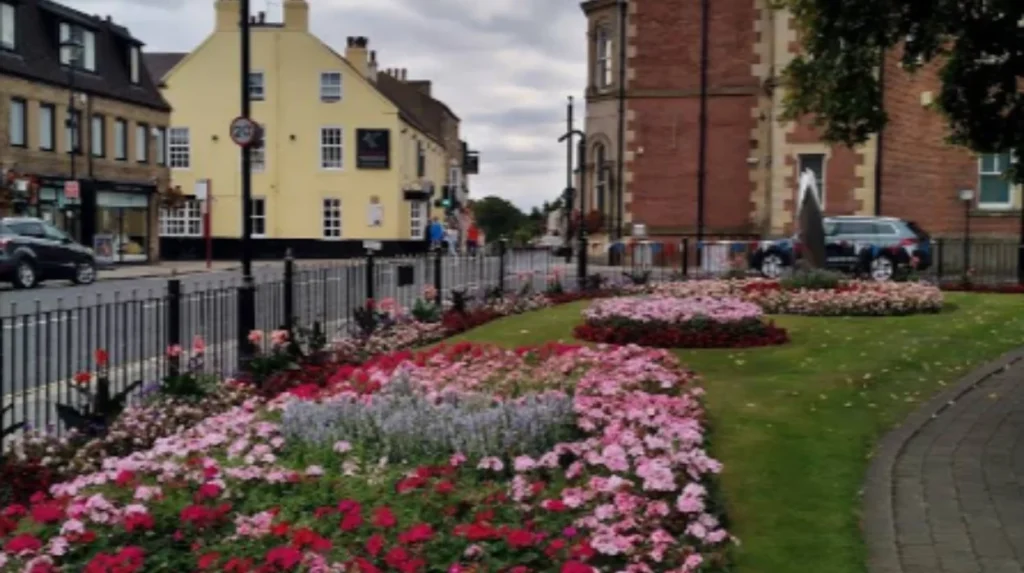
Retail and hospitality in Wetherby combine national chains with independent shops, cafes, pubs and restaurants clustered around the market place and central streets. For Leeds residents, this offers an appealing alternative to city‑centre shopping trips, especially when combined with a riverside walk or visit to a nearby country house or garden.
Wetherby’s Role In The Wider Region
As a market town within the City of Leeds metropolitan borough, Wetherby occupies a distinctive position in West Yorkshire’s geography and governance. It is one of the smaller urban centres in a district dominated by Leeds itself, but it serves as a focal point for rural and semi‑rural communities along the Wharfe and towards the North Yorkshire border.
Regional planning decisions around housing growth, transport investment and green‑belt policy all affect Wetherby’s development, including the construction of new homes on the edge of the town in areas like Micklethwaite and the reuse of former commercial sites for flats. At the same time, conservation groups and local civic organisations work to preserve the town’s historic character, river environment and market‑town feel, reflecting wider debates about sustainable growth across West Yorkshire.
For Leeds Times readers, Wetherby can be seen as both a gateway to North Yorkshire’s countryside and a test case for how smaller towns within large metropolitan districts adapt to changing demographics, transport patterns and housing pressures. This makes it a continually relevant subject for long‑term coverage, whether the focus is heritage, environment, planning or lifestyle.
Why Wetherby Works As An Evergreen Leeds Topic
Several factors ensure that Wetherby remains a consistently useful subject for Leeds‑focused evergreen content rather than a short‑lived travel piece.
- The core attractions – riverside setting, historic streets, coaching‑inn heritage, Thursday market and surrounding estates – are rooted in geography and history, not fleeting trends.
- Demographic stability, gradual housing growth and ongoing regional infrastructure projects give journalists and readers recurring angles around community change, commuting and quality of life.
- Family‑friendly destinations such as Stockeld Park and nearby historic landscapes like Plumpton Rocks are designed to evolve with new events and experiences, encouraging repeat visits while keeping the basic appeal constant year after year.
For a Leeds Times audience, Wetherby offers multiple layers of interest: a day‑trip idea, a potential place to live, a case study in market‑town resilience, and a lens on how the northern edge of the Leeds district connects to wider Yorkshire. That combination of heritage, accessibility and ongoing change makes Wetherby a town that rewards regular revisits – both in person and on the page.