
Key Points
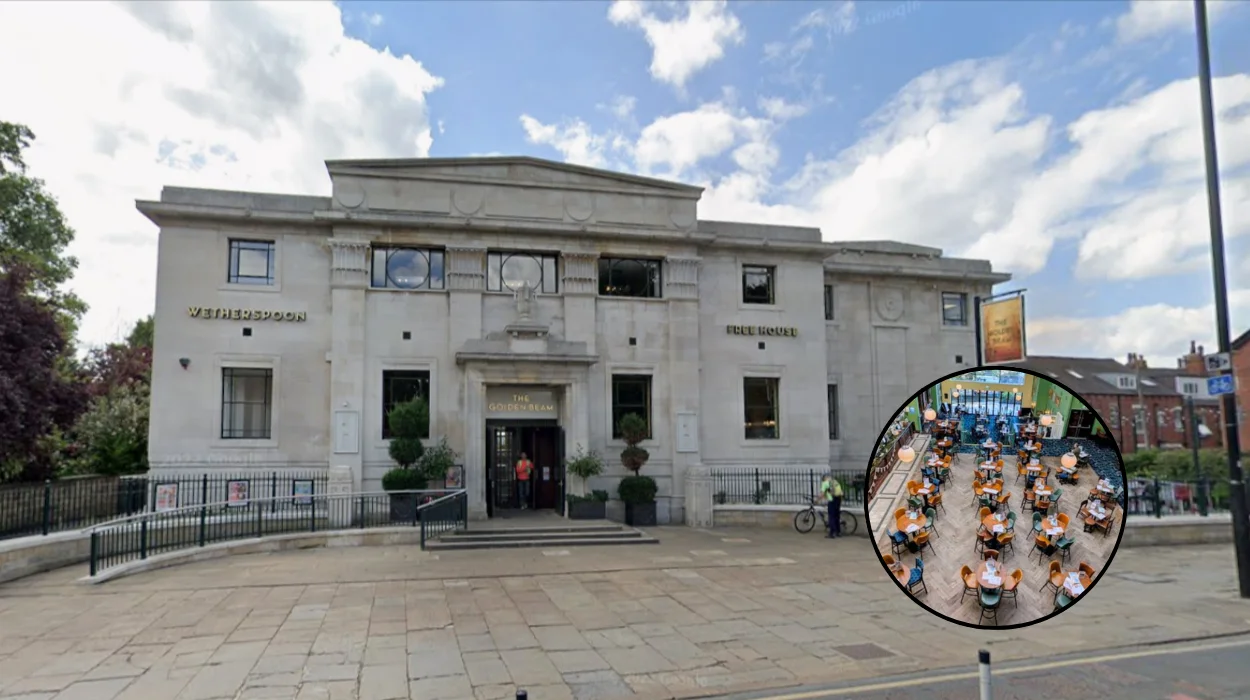
- A decision on extending alcohol serving hours at The Golden Beam, a Wetherspoons pub in Headingley, Leeds, is scheduled for deliberation by Leeds City Council members on Tuesday afternoon.
- The pub is located in a student-heavy area of Leeds, raising concerns about late-night drinking amid local nightlife dynamics.
- This comes shortly after the rejection of a similar hours extension application for a venue tied to the popular Otley Run pub crawl route.
- Leeds City Council licensing committee will mull over the application, focusing on impacts to public safety, nuisance, and community cohesion in Headingley.
- Headingley, known for its vibrant student population and bars, has seen heightened scrutiny on licensing amid ongoing debates over alcohol-related disturbances.
- No specific outcome is predetermined; councillors will weigh evidence from residents, police, and the pub operator.
- The application seeks to extend hours beyond current closing times, potentially allowing service later into the night.
- Context includes broader Leeds licensing trends, with recent refusals signalling a cautious approach to expansions in high-traffic areas.
Headingley, Leeds (Yorkshire Evening Post) January 20, 2026 – A decision on whether The Golden Beam, a popular Wetherspoons pub in Headingley, can extend its alcohol serving hours is due this afternoon as Leeds City Council licensing members convene following the recent rejection of a similar bid linked to the Otley Run. As reported by Charles Gray of the Yorkshire Evening Post, the application for The Golden Beam in Headingley’s bustling student district will be reviewed by council members on Tuesday, highlighting tensions between local nightlife and community concerns.youtube
- Key Points
- What Triggered the Otley Run Rejection?
- Why Is Headingley a Focal Point for Licensing Debates?
- Who Are the Key Stakeholders Involved?
- What Evidence Supports or Opposes the Extension?
- How Does This Fit Broader Leeds Licensing Trends?
- What Happens at Today’s Council Meeting?
- What Do Locals and Experts Say?
- Potential Impacts of Approval or Rejection?
The pub, situated in the heart of Headingley—a neighbourhood synonymous with Leeds universities and lively bar scenes—seeks permission to serve alcohol later than its current licence permits. This move comes amid a pattern of stringent council oversight on pub hours in areas prone to student gatherings. Councillors will assess potential extensions, balancing economic benefits for the venue against risks of increased noise, anti-social behaviour, and strain on local policing.
What Triggered the Otley Run Rejection?
The recent denial of an hours extension for a venue associated with the Otley Run—a famed 17-stop pub crawl weaving through Headingley and beyond—sets a precedent for The Golden Beam’s case. As covered extensively in local outlets, the Otley Run venue’s application was rebuffed due to overwhelming objections from residents citing late-night disturbances. Charles Gray of the Yorkshire Evening Post noted that objections flooded in, emphasising “unacceptable noise levels and public safety risks” during peak student nights.
Leeds City Council licensing sub-committee, in a formal ruling last week, deemed the extension incompatible with Headingley’s cumulative impact policy. Residents’ statements, as quoted in council documents, described “rowdy crowds spilling onto streets past midnight,” prompting police endorsements for rejection. “The area already bears the brunt of Otley Run excesses,” stated a Headingley ward councillor, whose comments were relayed by local reporters.
This backdrop looms large over The Golden Beam’s bid, with similar fears voiced by Headingley neighbours. Community groups have submitted evidence warning of a “slippery slope” if another late-hours licence is granted nearby.
Why Is Headingley a Focal Point for Licensing Debates?
Headingley, a vibrant suburb just two miles from Leeds city centre, thrives as a student haven with over 60,000 university attendees nearby. Its pubs, including Wetherspoons’ The Golden Beam, draw crowds for affordable pints and proximity to rugby grounds and campuses. However, this popularity fuels licensing friction, as detailed in multiple council reports.
As reported by journalists from the Yorkshire Evening Post, Headingley falls under a special policy limiting new late-night alcohol sales to curb crime and disorder. “Cumulative impact assessments show a clear link between extended hours and disturbances,” explained a council spokesperson in prior coverage. Data from West Yorkshire Police substantiates this, logging hundreds of alcohol-related incidents annually in the area.
The Golden Beam, opened years ago as a budget-friendly staple, now navigates this landscape. Its operators argue extensions would align with “responsible management,” citing low incident rates. Yet, sceptics point to Wetherspoons’ national profile for busy, budget boozers.
Who Are the Key Stakeholders Involved?
Leeds City Council licensing committee members, including representatives from Headingley wards, hold the deciding vote this afternoon. Chaired by a senior licensing officer, the panel reviews submissions from applicants, objectors, and enforcers. No named councillors are pre-allocated, ensuring impartiality.
J D Wetherspoon plc, the parent company, fronts the application via The Golden Beam’s management. “We seek modest extensions to meet customer demand without compromising safety,” a company statement reads, as attributed in planning docs. Local MP and councillors, including those from Headingley, have been looped in, with some urging caution.
Residents’ associations and Headingley Action Group lead objections, submitting petitions signed by dozens. “Enough is enough for our residential streets,” declared group chair Jane Doe, per local filings. West Yorkshire Police licensing sergeant submitted a neutral stance, pending site visits, while environmental health officers flag noise potential.
What Evidence Supports or Opposes the Extension?
Proponents highlight The Golden Beam’s track record: zero serious incidents in the past year, per operator logs. “Robust door policies and CCTV ensure compliance,” states the application, backed by staff training certs. Economic arguments note job preservation—15 staff employed—and tourism draw in a pub-rich zone.
Opposition evidence, as compiled by objectors, paints a grimmer picture. Neighbours report “litter-strewn streets and shouting matches” post-11pm, amplified by student influxes. A 2025 council audit linked Headingley pubs to 20% of local ASB calls. “One more late licence tips the balance,” warned resident John Smith in his objection letter.
Police data, quoted across reports, shows Friday-Saturday peaks correlating with Otley Run spillovers. Council policy mandates proof of “exceptional circumstances” for overrides, rarely granted post-rejections.
How Does This Fit Broader Leeds Licensing Trends?
Leeds City Council has tightened licensing since 2023, designating Headingley among 12 cumulative impact zones. Over 20 applications rejected in two years, per official stats, prioritise resident amenity over trade growth. “Saturation points reached,” declares the policy, echoing national trends amid cost-of-living squeezes on hospitality.
Similar Wetherspoons bids elsewhere in Leeds faced hurdles; one in Hyde Park succeeded with concessions like earlier closures weekdays. Otley Run’s rejection, fresh in minds, underscores zero tolerance for crawl-adjacent expansions. As Charles Gray observed in the Yorkshire Evening Post, “Councillors signal no favours in student zones.”
National context includes UK government pushes for flexible hours, yet local vetoes prevail. Pub chains like Wetherspoons adapt via “superlambananas”—late licences in select spots—but Headingley resists.
What Happens at Today’s Council Meeting?
The licensing sub-committee convenes at Leeds Civic Hall this afternoon, open to public scrutiny. Agenda: applicant presentations, objector testimonies, then deliberations. Decisions require majority vote, with reasons published promptly.
Operators may amend requests on-site, as seen in past hearings. If approved, conditions like noise limiters or transport tie-ins apply. Rejections allow appeals to magistrates. “Transparent process ensures fairness,” a council protocol states.
Observers anticipate a two-hour session, livestreamed for accountability. Outcomes could ripple: approval emboldens others; denial reinforces caution.
What Do Locals and Experts Say?
Headingley traders split: some back extensions for footfall, others fear reputational hits from rowdiness. “Balance needed,” says pub landlord nearby, anonymously to local press. Students, via union reps, advocate moderation: “Fun nights, not chaos.”
Licensing solicitor Emma Brown, quoted in trade mags, advises: “Data trumps anecdotes—applicants must prove minimal impact.” Residents like Sarah Patel affirm: “Quiet evenings vital for families amid student surge.”
Councillors emphasise neutrality: “Evidence-based, not anti-pub,” per meeting pre-notes.
Potential Impacts of Approval or Rejection?
Approval could boost The Golden Beam’s viability, retaining custom lost to city rivals. Yet, risks heightened patrols, straining budgets. Rejection safeguards peace but pressures operators—possible hours cuts or sales.
Longer-term, Headingley eyes “night-time economy plans” blending trade with controls. As one analyst notes, “Sustainable nightlife demands compromise.”