

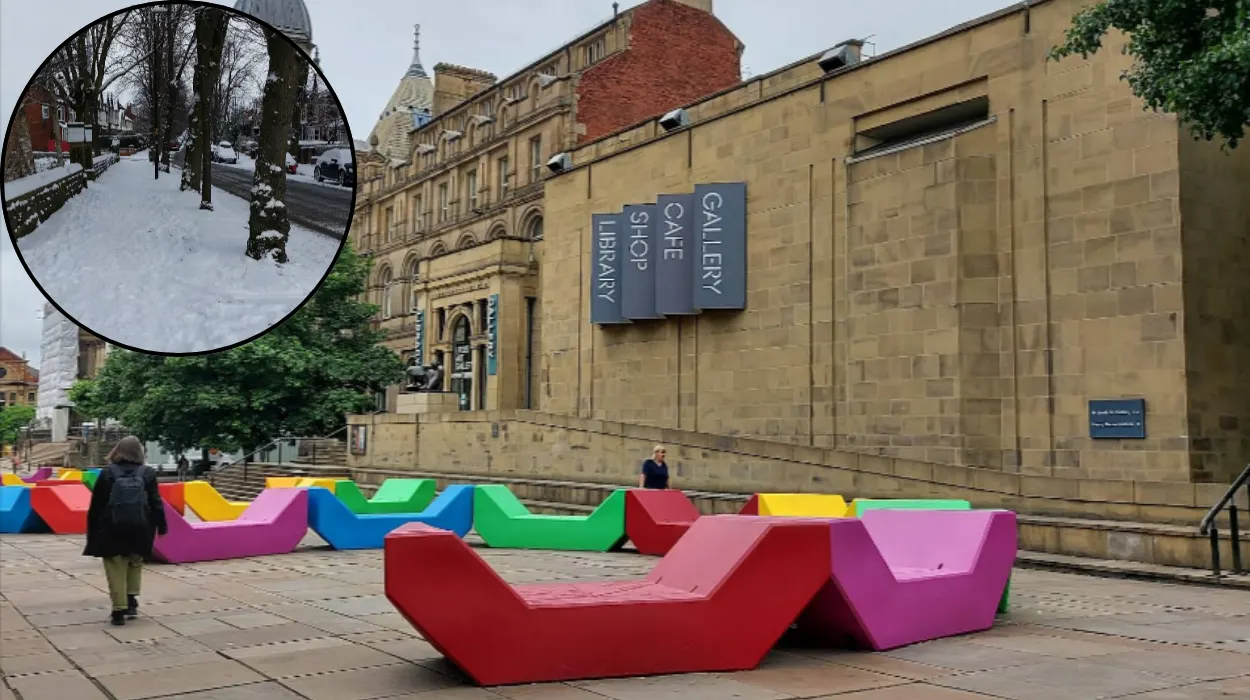
Leeds offers a mix of leafy suburbs, lively inner districts and village‑like outer towns, so the “best” area depends on whether you prioritise schools, green space, nightlife, commuting or value for money. For Leeds Times readers, the key is understanding how each neighbourhood’s character, housing and transport links fit different stages of life, from student years and early careers to family life and retirement.
What “best areas in Leeds” means
“Best” usually combines safety, schools, local amenities and journey times into the city centre, rather than any single ranking. In Leeds this often translates into a choice between prestigious northern suburbs, popular western commuter belts and increasingly in‑demand inner neighbourhoods close to universities and major employers. Thinking clearly about budget and lifestyle before you start house‑hunting helps narrow down which side of the city to focus on.
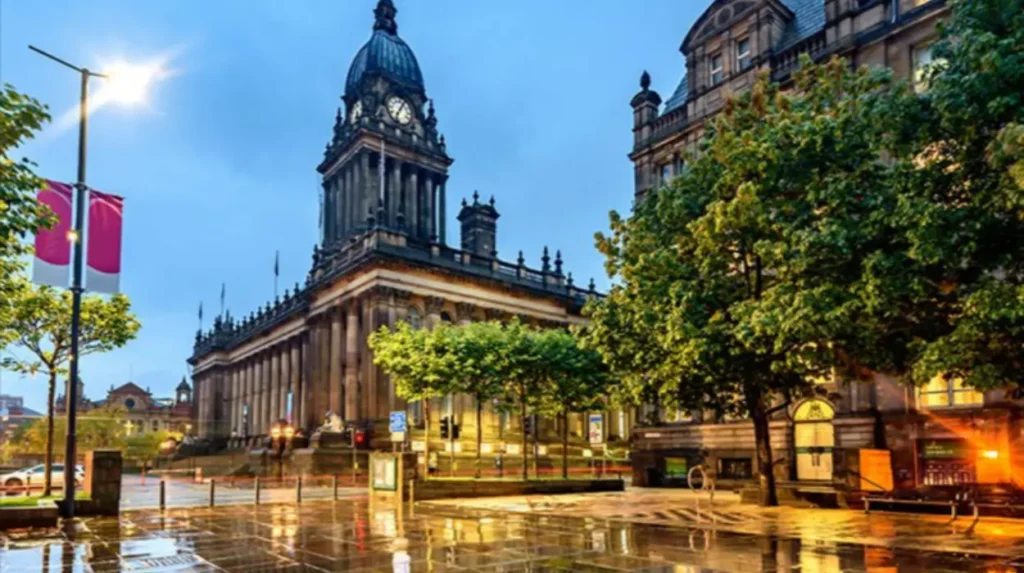
North and North‑East Leeds
North and North‑East Leeds are frequently seen as some of the city’s most desirable residential districts, with established communities and strong school reputations. Areas around Roundhay, Oakwood, Moortown, Alwoodley and Chapel Allerton combine tree‑lined streets, period housing and easy access to parks and shops, which appeals in particular to families and long‑term owner‑occupiers. The trade‑off is that demand pushes prices above many other parts of Leeds, especially for larger homes close to the best‑regarded schools.
West and North‑West Leeds
West and North‑West Leeds suit people who want more space and a semi‑rural feel while keeping good transport links into the city and beyond. Horsforth, Guiseley, Rawdon, Adel, Weetwood and Meanwood offer a mix of stone terraces, 20th‑century suburbs and newer estates, with rail or main‑road links, local high streets and plenty of green space on the doorstep. These districts are popular with commuters to Leeds, Bradford and the airport, as well as families who like the balance of parks, schools and community facilities.
South and East Leeds
South and East Leeds generally provide better value for money, making them attractive to first‑time buyers and families who want more house and garden for their budget. Places such as Rothwell, Cross Gates, Whinmoor and the neighbourhoods around Temple Newsam combine established communities, parks or country estates and strong motorway or rail access for commuting. While some inner‑south and inner‑east areas are still changing through regeneration, they can offer shorter journeys into the city centre alongside improving local amenities.

Inner suburbs and city living
Closer to the centre, neighbourhoods like Headingley, Hyde Park, Woodhouse, Burley and the city‑centre waterfronts appeal to students, graduates and young professionals who prioritise nightlife, culture and walkable commutes. These areas concentrate bars, restaurants, independent shops and venues, along with frequent buses and short cycling distances to the universities and business district. City‑centre and riverside apartment schemes suit people who value modern amenities and being in the thick of things, even if that means less outdoor space and higher noise levels than in the outer suburbs.