Key Points
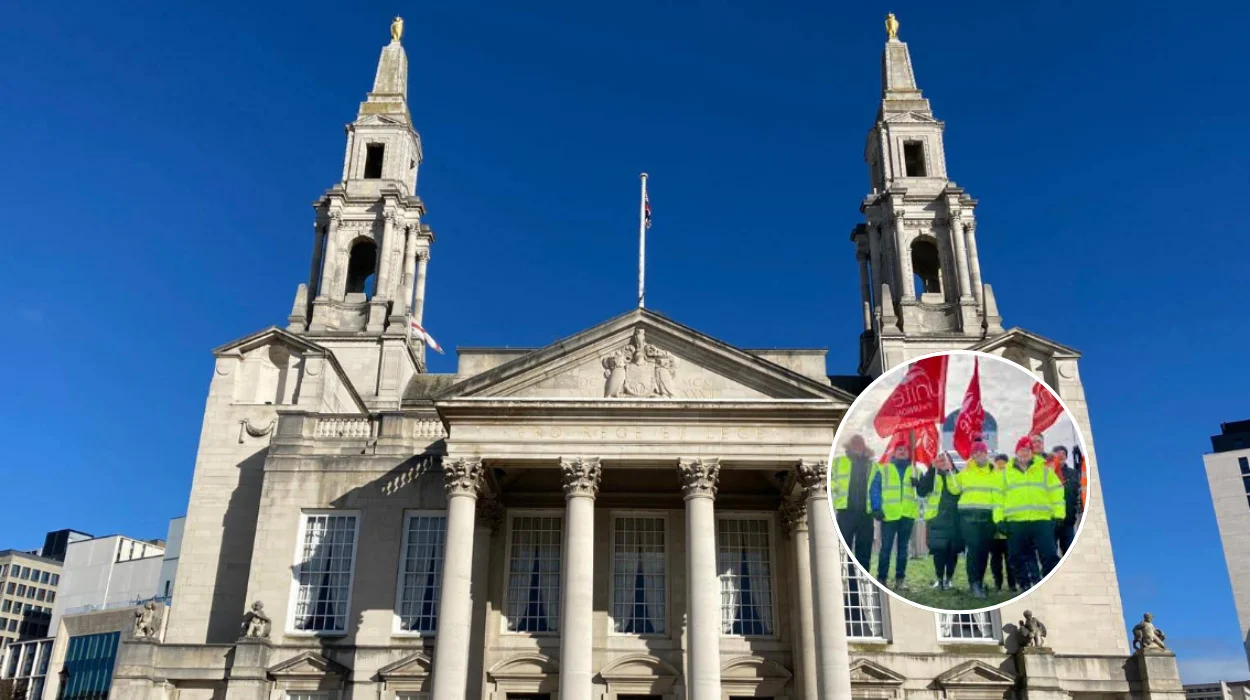
- Strikes by approximately 80 Unite union members at Leeds City Council Passenger Transport, scheduled for 22 and 23 January 2026 and later dates this month, have been suspended following an improved offer from the employer.
- Affected workers include drivers transporting vulnerable service users such as children with learning difficulties to school, passenger assistants, and office support staff.
- Previous industrial action stemmed from service cuts, including lack of proper equipment and missing risk assessments, resulting in harm to both workers and service users.
- Leeds City Council agreed to key improvements with Unite: provision of risk assessments, staff training, and appointment of an interim head of service for additional support.
- Unite has granted the council until 2 February 2026 to implement these changes; failure to comply will lead to strike resumption from 4 February 2026.
- Unite regional officer Chris Muscroft welcomed the suspension as an opportunity for the council to fulfil commitments, with close monitoring planned.
- A Leeds City Council spokesperson expressed satisfaction at the constructive resolution and confirmed further measures to address Unite’s concerns.
Leeds, England (The Leeds Times) 22 January 2026 – Strikes by around 80 Unite members at Leeds City Council Passenger Transport have been suspended after the employer presented plans to address longstanding service issues. Workers, including drivers for children with learning difficulties, passenger assistants, and office staff, were set to walk out today and tomorrow, as well as later this month. The halt follows negotiations yielding commitments on risk assessments, training, and leadership support.
- Key Points
- What Led to the Strike Threat?
- Who Are the Workers Involved?
- What Improvements Did the Council Offer?
- What Is the Timeline for Implementation?
- What Did Unite’s Regional Officer Say?
- How Did Leeds City Council Respond?
- Why Were Risk Assessments and Equipment Critical?
- What Happens if Deadlines Are Missed?
- How Does This Affect Leeds Families and Schools?
- What Broader Context Surrounds Leeds Public Transport Disputes?
- What Steps Follow Suspension?
- Why Is an Interim Head of Service Key?
- How Has Unite Supported Members?
- What Challenges Persist Post-Suspension?
- Impact on Daily Leeds Operations
What Led to the Strike Threat?
The dispute arose from service cuts that compromised safety for staff and vulnerable passengers. Workers reported a lack of proper equipment and absent risk assessments, directly leading to incidents of harm. As detailed in the initial announcement, these deficiencies prompted prior industrial action, escalating tensions to the brink of further walkouts on 22 and 23 January 2026.
Previous strikes highlighted systemic failures within Leeds City Council’s Passenger Transport operations. Drivers responsible for transporting service users, particularly children with learning difficulties to school, faced daily risks without adequate tools or evaluations. Passenger assistants and office support staff echoed these concerns, underscoring a broader operational breakdown.
Who Are the Workers Involved?
The 80 Unite members at the centre of this action represent frontline roles critical to vulnerable groups. Drivers ferry children with special educational needs, ensuring safe school journeys amid challenging conditions. Passenger assistants provide essential oversight during transit, while office support staff manage logistics that underpin the service.
These roles demand precision and care, yet cuts eroded their capacity to deliver. Unite’s mobilisation reflected deep frustration, with members united against measures perceived as endangering lives. The suspension offers respite, but underlying grievances persist until implementation proves effective.
What Improvements Did the Council Offer?
Leeds City Council engaged in negotiations, agreeing to concrete steps with Unite. Commitments include immediate provision of risk assessments to identify hazards, comprehensive training for staff to handle scenarios safely, and hiring an interim head of service for bolstered oversight.
These measures aim to rectify equipment shortages and procedural gaps. The council’s proposal marks a shift from confrontation, addressing root causes that fuelled the dispute. Full enactment remains the litmus test for lasting peace.
What Is the Timeline for Implementation?
Unite has extended a deadline until 2 February 2026 for Leeds City Council to deliver on promises. This grace period allows time for risk assessments, training rollout, and the interim leadership appointment. Should progress falter, strikes resume from 4 February 2026, signalling no tolerance for delays.
This structured timeline underscores Unite’s vigilance. Monitoring will track milestones weekly, ensuring accountability. The council faces pressure to prioritise swiftly, given the service’s reliance on uninterrupted operations.
What Did Unite’s Regional Officer Say?
As reported by Chris Muscroft, Unite regional officer,
“Unite has suspended industrial action while the agreed plans are being put in place. This pause will give Leeds council the chance to deliver on its commitments. Unite will be monitoring the progress of this over the coming weeks.”
Muscroft’s statement, issued directly from Unite’s regional office, conveys cautious optimism. It positions the suspension as a probationary step, not a concession. Workers remain mobilised, ready to act if assurances falter.
How Did Leeds City Council Respond?
A spokesperson for Leeds City Council stated:
“We are pleased to have worked constructively to resolve this dispute with Unite and that the strike has been suspended. A number of further measures will be undertaken and changes implemented to address the concerns raised by Unite.”
The spokesperson’s remarks emphasise collaboration, framing the outcome as mutual progress. Additional measures hint at ongoing enhancements beyond the core agreements. This response aligns with council efforts to maintain service continuity for Leeds residents.
Why Were Risk Assessments and Equipment Critical?
Missing risk assessments exposed workers and passengers to preventable dangers. Without them, drivers navigated routes with children facing learning difficulties sans safeguards, amplifying accident risks. Equipment deficits compounded issues, leaving staff ill-equipped for duties.
Prior action demonstrated real-world impacts: harm to personnel and service users alike. The council’s pledge to rectify these fills a vital gap, potentially averting future crises. Training complements this, empowering staff with skills to mitigate hazards proactively.
What Happens if Deadlines Are Missed?
Unite’s stance is unequivocal: non-compliance by 2 February triggers action from 4 February. This escalation clause maintains leverage, compelling swift execution. Workers, fresh from suspension, stand poised for renewed disruption if needed.
The threat looms over council operations, particularly affecting school transport for vulnerable children. Leeds families reliant on these services face uncertainty, heightening stakes. Adherence could stabilise the service long-term.
How Does This Affect Leeds Families and Schools?
Suspension averts immediate chaos for parents of children with learning difficulties. School runs proceed uninterrupted today and tomorrow, preserving routines. However, the 2 February deadline introduces provisional calm, with potential February fallout.
Office support staff’s role ensures administrative backbone, preventing broader ripple effects. Families in Leeds, especially in deprived areas dependent on council transport, benefit most from resolution. Prolonged uncertainty could strain educational continuity.
What Broader Context Surrounds Leeds Public Transport Disputes?
Leeds City Council’s Passenger Transport mirrors national trends in local authority strains. Budget pressures often precipitate such cuts, sparking union responses. Unite’s involvement signals organised labour’s pushback against austerity’s frontlines.
Similar disputes elsewhere underscore patterns: safety corners cut, then contested. Here, negotiation prevailed, offering a model. Yet, monitoring ensures promises translate to practice, vital for public trust.
What Steps Follow Suspension?
Unite commences oversight immediately, tracking risk assessment deployment, training sessions, and interim head onboarding. Weekly check-ins with council representatives will gauge fidelity. Workers input via union channels keeps feedback loops active.
The council initiates procurement and scheduling forthwith. Transparency reports may follow, detailing progress. This phase tests commitment, with 2 February as reckoning.
Why Is an Interim Head of Service Key?
Appointing an interim head injects expertise and authority into floundering operations. This figure coordinates assessments, training, and equipment upgrades, bridging leadership voids. Rapid installation signals priority, potentially accelerating fixes.
Such roles often stabilise amid turmoil, fostering morale. For drivers and assistants, visible support reassures. Long-term, it paves for permanent restructuring.
How Has Unite Supported Members?
Unite’s swift negotiation secured concessions, safeguarding jobs and safety. Regional officer Chris Muscroft’s leadership navigated talks adeptly. Members gain breathing room, with union backing poised for enforcement.
Ballot strength—80 strong—amplifies voice. Suspension preserves unity, positioning for victory or escalation.
What Challenges Persist Post-Suspension?
Implementation hurdles abound: sourcing equipment, scheduling training amid operations, integrating new leadership. Budget allocation tests council resolve. Worker scepticism, born of past inaction, demands proof.
Monitoring mitigates risks, but external factors like supply chains could delay. Service users’ needs brook no excuses.
Impact on Daily Leeds Operations
Today’s averted strike maintains flows for schoolchildren, easing parental woes. Passenger assistants continue safeguarding, office staff logistics hum. Council averts reputational hit, focusing resources restoratively.
Longer view: resolved disputes bolster reliability, key for Leeds’ transport-dependent populace.
This development, drawn comprehensively from the reported facts, highlights negotiation’s value in public sector strife. Leeds watches as commitments unfold, with vulnerable services in balance.