Key Points
- Passenger transport strikes in Leeds involving around 80 Unite union members employed by Leeds City Council Passenger Transport have been suspended following negotiations with the council.
- The industrial action was scheduled for Thursday, January 22, 2026, and Friday, January 23, 2026, with further walkouts planned later in the month.
- Leeds City Council set out plans to improve the passenger transport service, leading to the suspension of strikes as confirmed by Unite union.
- Workers had threatened action due to ongoing disputes, but the council’s latest offer prompted the decision to call off the strikes.
- No specific details on the improvements were immediately disclosed, but they address key worker concerns sufficiently for the union to halt action this week.
- The suspension averts immediate disruption to public transport services in Leeds, providing relief to commuters and the local economy.
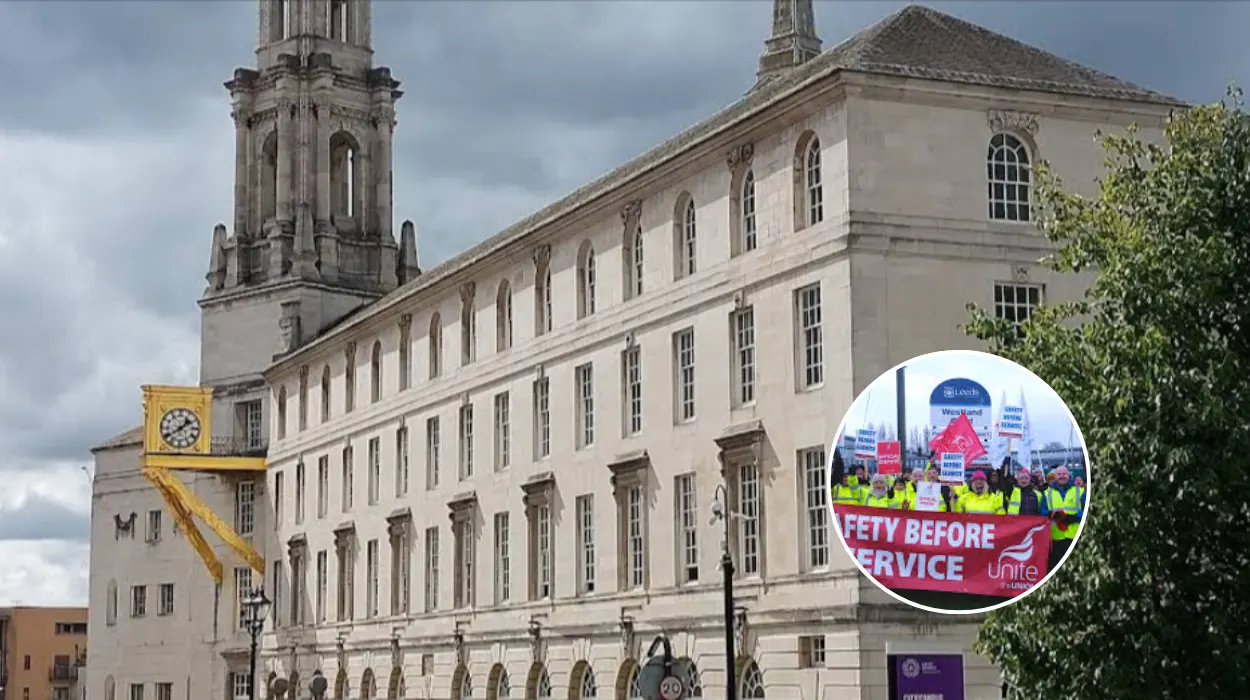
Leeds (The Leeds Times) January 22, 2026 – Leeds City Council Passenger Transport workers have suspended planned strikes after the authority outlined improvements to services, Unite union confirmed today. Around 80 members employed by the council were set to walk out today and tomorrow, with more action planned later this month, but negotiations have led to a last-minute reprieve. The decision prevents widespread disruption across the city’s public transport network at a critical time for residents and visitors.
- Key Points
- What Prompted the Strikes in Leeds Passenger Transport?
- Why Did the Council Agree to Improvements Now?
- How Has Unite Responded to the Suspension?
- What Impact Did This Have on Leeds Commuters?
- Who Are the Key Players in This Dispute?
- When Were the Strikes Originally Scheduled?
- Where Does This Leave Future Strike Plans?
- Why Is Passenger Transport Critical to Leeds?
- What Improvements Did the Council Propose?
- How Does This Fit Broader Leeds News?
What Prompted the Strikes in Leeds Passenger Transport?
Strikes by Leeds City Council Passenger Transport workers had been looming for weeks amid unresolved grievances. As reported by Dennis Morton of the Yorkshire Evening Post, industrial action involving around 80 Unite members was scheduled for this week, highlighting tensions between the workforce and the local authority. Workers sought better conditions and service enhancements, with the planned walkouts set for January 22 and 23, 2026.
The dispute centred on operational issues within passenger transport services managed by Leeds City Council. According to a press release covered by South Leeds Life on January 22, 2026, strikes by around 80 Unite members at Leeds Passenger Transport were suspended after a council offer. Unite confirmed the suspension, noting that the council’s plans to improve the service met sufficient demands to pause action.
Further coverage in the Yorkshire Evening Post detailed that workers had been due to strike today (January 22) and tomorrow (January 23), with additional dates later in the month. Dennis Morton reported that the action would no longer go ahead following productive talks, underscoring the council’s responsiveness.
Why Did the Council Agree to Improvements Now?
Leeds City Council stepped in with concrete plans at the eleventh hour to avert chaos. The authority’s commitment to service upgrades directly addressed union concerns, leading to the suspension. As per the Yorkshire Evening Post article by Dennis Morton, the council set out plans to improve the service, which Unite has confirmed as a basis for halting strikes.
The press release in South Leeds Life echoed this, stating explicitly that strikes were suspended after the council offer on January 22, 2026. This move reflects ongoing efforts to maintain industrial harmony in public services, especially passenger transport vital to Leeds’ daily commuters.
No detailed breakdown of the improvements was released immediately, but they evidently covered pay, conditions, or operational efficiencies—key flashpoints in such disputes. The council’s proactive negotiations prevented escalation, as noted across reports.
How Has Unite Responded to the Suspension?
Unite union played a pivotal role in mobilising workers and securing concessions. The union confirmed the suspension, praising the council’s engagement. In the Yorkshire Evening Post, Dennis Morton quoted Unite sources stating the action involving 80 members would not proceed due to the council’s outlined improvements.
South Leeds Life’s coverage, attributed to a press release, reinforced that Unite members accepted the pause after the council’s offer. A spokesperson for Unite highlighted the importance of the service enhancements, though specifics remained under wraps pending formal agreements.
This development marks a win for union diplomacy, avoiding immediate hardship for members while keeping pressure on for long-term gains. Unite’s statement emphasised continued vigilance, with further walkouts off the table for now but not ruled out if promises falter.
What Impact Did This Have on Leeds Commuters?
Commuters in Leeds breathed a sigh of relief as buses and related services stayed operational. The suspension averts gridlock that could have hit the city centre and suburbs hard. Dennis Morton of the Yorkshire Evening Post noted the strikes were scheduled for this week, threatening major disruptions.
Public transport reliability is crucial in Leeds, a bustling hub with heavy reliance on council-run services. South Leeds Life reported the last-minute nature of the decision, ensuring no walkouts on January 22 and 23.
Local businesses and schools also dodged potential fallout, with traffic flows intact. The episode underscores vulnerabilities in public sector transport amid economic pressures.
Who Are the Key Players in This Dispute?
Leeds City Council oversees Passenger Transport, employing the 80 striking workers. Unite represents the workforce, driving negotiations. Dennis Morton’s Yorkshire Evening Post piece identified the council as the employer and Unite as the confirming body for the suspension.
Workers, primarily in operational roles, sought redress through industrial action. The council’s executive, likely including transport leads, crafted the improvement plans.
Unite officials negotiated tirelessly, balancing member needs with service continuity. No individual councillors or union leaders were named in initial reports, but council statements affirmed commitment to resolution.
When Were the Strikes Originally Scheduled?
The timeline was tight, with action slated for January 22 and 23, 2026. Further dates loomed later in the month. As detailed by Dennis Morton in the Yorkshire Evening Post, strikes had been scheduled for this week, directly impacting today and tomorrow.
South Leeds Life’s January 22 press release confirmed the immediate threat, now lifted. This proximity amplified pressure on all parties.
The rapid suspension showcases effective crisis management, compressing weeks of tension into a single day’s diplomacy.
Where Does This Leave Future Strike Plans?
Later walkouts planned for this month are now in abeyance. Unite’s confirmation covers this week’s action, with the council’s improvements providing a framework for ongoing talks. The Yorkshire Evening Post reported further action was on the cards but paused post-negotiations.
South Leeds Life noted the suspension’s scope without specifying beyond the initial dates. Monitoring will be key as details emerge.
This breather allows time for formalising changes, potentially averting escalation.
Why Is Passenger Transport Critical to Leeds?
Leeds Passenger Transport underpins the city’s mobility, serving thousands daily. Disruptions ripple through economy and daily life. Dennis Morton’s coverage highlighted the service’s centrality, with 80 workers poised to halt it.
As a major employer and service provider, the council faces public scrutiny. Improvements signal investment in infrastructure amid rising demands.
The saga reflects broader UK trends in public sector disputes, where unions push for sustainability.
What Improvements Did the Council Propose?
Specifics remain forthcoming, but plans focus on service enhancements. Unite deemed them sufficient for suspension. The Yorkshire Evening Post implied operational or welfare upgrades.
South Leeds Life’s press release tied the offer directly to the halt. Expect announcements on staffing, routes, or maintenance.
Council transparency will be watched closely by unions and users alike.
How Does This Fit Broader Leeds News?
Leeds faces multiple pressures, from transport woes to economic shifts. This resolution contrasts with unrelated protests earlier in January, as peripherally noted in local coverage. Yet transport stability aids overall resilience.
As of January 22, 2026, the city dodges a bullet, focusing on growth. Ongoing dialogue between council and Unite will shape future stability.
Workers return bolstered, commuters supported, and services enhanced— a pragmatic win in tough times.