

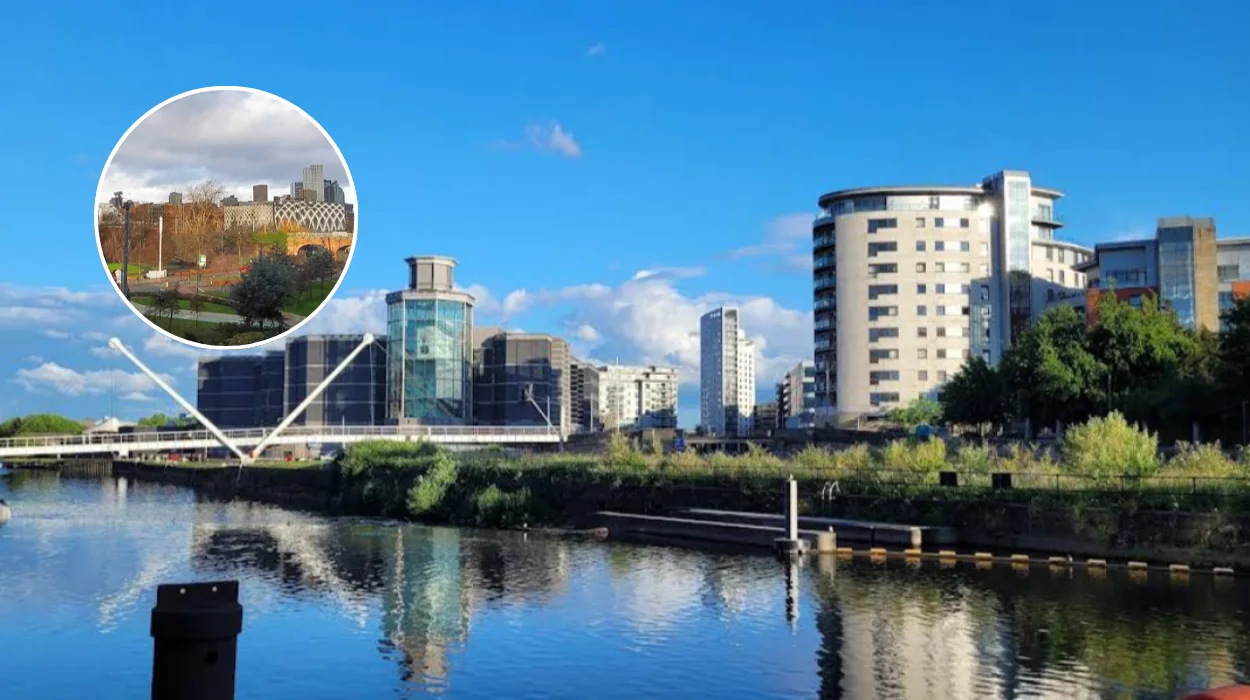
Leeds grew from a medieval town on the River Aire into one of Britain’s most important industrial cities, and that legacy is still visible in its mills, warehouses, and grand civic buildings. Today it combines that industrial heritage with a thriving cultural scene, major shopping districts, and easy access to some of Yorkshire’s best countryside, so it appeals to history fans, foodies, students and families alike.
- City centre icons and must‑see landmarks
- Leeds Town Hall and civic quarter
- Leeds Art Gallery and the Tiled Hall
- Victoria Quarter, Victoria Gate and the historic arcades
- Green escapes: parks and nature on Leeds’ doorstep
- Roundhay Park and Tropical World
- Otley Chevin Forest Park
- Other classic parks: Golden Acre and Meanwood Valley
- Culture, museums and heritage
- Royal Armouries Museum and Leeds Dock
- Leeds City Museum
- Saltaire and nearby heritage (day‑trip option)
- Shopping, food and nightlife hotspots
- Kirkgate Market and independent food
- Belgrave Music Hall and rooftop social spots
- Traditional pubs, craft beer and bar culture
- Neighbourhoods worth exploring
- Headingley: student energy and sports heritage
- Chapel Allerton and “urban village” character
- Waterfront and Leeds‑Liverpool Canal walks
- Practical tips for enjoying the best spots in Leeds
City centre icons and must‑see landmarks
Leeds city centre is compact, walkable and full of distinctive architecture, from Victorian arcades to modern glass shopping centres. These central spots should be on almost every Leeds itinerary.
Leeds Town Hall and civic quarter
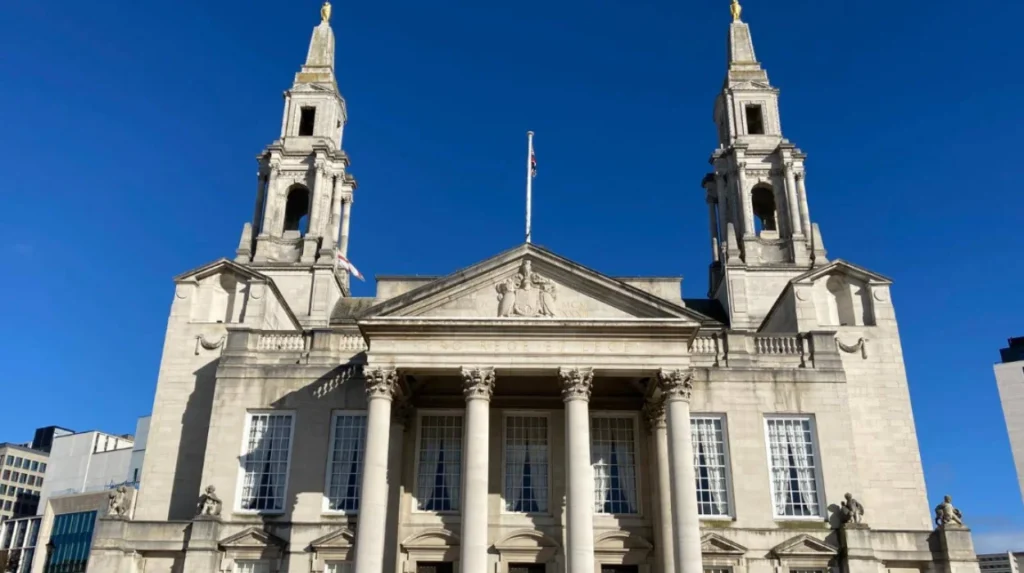
Leeds Town Hall is one of the city’s most recognisable buildings, designed by architect Cuthbert Brodrick and opened in 1858 as a symbol of Victorian civic pride. Its imposing clock tower and classical façade make it a key landmark and a popular backdrop for events, concerts and civic ceremonies.
Nearby you’ll find other civic buildings such as the Leeds City Museum and the Central Library, which sit around attractive public spaces and often host exhibitions, talks and family activities. This cluster makes the civic quarter a reliable place to start exploring for culture and history in one walkable area.
Leeds Art Gallery and the Tiled Hall
Leeds Art Gallery holds an important collection of British paintings and sculpture, with strengths in 20th‑century art and modern sculpture linked to Yorkshire artists such as Henry Moore. The gallery frequently refreshes its displays, so there is nearly always something new for regular visitors as well as first‑timers.
Connected to the gallery is the Tiled Hall, a former reading room transformed into a café, known for its ornate columns and colourful glazed tiles. Even if you are not an art specialist, this space is worth seeing for the architecture alone and makes an excellent stop for coffee during a city‑centre stroll.
Victoria Quarter, Victoria Gate and the historic arcades
Leeds is famous for its network of shopping arcades that showcase some of the best Victorian and contemporary architecture in the region. The Victoria Quarter combines restored 19th‑century arcades with mosaics and stained glass, housing high‑end fashion brands and independent retailers.
Next door, Victoria Gate brings a modern twist with a striking façade inspired by traditional textiles and a large department store, reinforcing Leeds’ reputation as one of northern England’s main retail destinations. Together with nearby Briggate and its side‑arcades, this area offers weather‑proof shopping and people‑watching all year round.
Green escapes: parks and nature on Leeds’ doorstep
One of Leeds’ biggest strengths is the amount of green space within the city boundaries, which helps it feel liveable even as the centre continues to develop. From huge urban parks to wooded valleys, you are never far from a walk, run or picnic spot.
Roundhay Park and Tropical World
Roundhay Park is one of the largest urban parks in Europe, covering around 700 acres of parkland, lakes, woodland and formal gardens in the north‑east of the city. It’s a year‑round favourite for runners, dog walkers, families and festival‑goers, with events ranging from food festivals to large outdoor concerts.
Within the park you’ll find Tropical World, an indoor attraction that recreates rainforest, desert and nocturnal environments, home to butterflies, birds and small mammals. This mix of outdoor space and indoor exhibits makes Roundhay a dependable choice in all seasons and weather conditions.
Otley Chevin Forest Park
To the north‑west of the city, Otley Chevin Forest Park is a 700‑acre nature reserve that offers panoramic views over the Wharfe Valley. The rugged landscape of woodland, rocky outcrops and heathland provides well‑marked walking trails suitable for everything from short strolls to more demanding hikes.
The Chevin is popular with local walkers and cyclists and gives visitors a taste of Yorkshire’s countryside without needing to travel deep into the Dales. Because the core landscape is protected, it remains a consistently rewarding outdoor spot year after year.
Other classic parks: Golden Acre and Meanwood Valley
Golden Acre Park, located between Leeds and Otley, is known for its lakeside walks, ornamental gardens and woodland areas, attracting birdwatchers and families alike. It provides gentle paths and plenty of benches, making it a good option for accessible, low‑intensity outdoor time.
Closer to the centre, Meanwood Valley offers a green corridor that links urban Leeds with countryside landscapes, following the Meanwood Beck through woods and meadows. This valley route forms part of longer walking trails and gives residents an easy way to feel immersed in nature without leaving the city limits.
Culture, museums and heritage
Leeds has invested heavily in museums and cultural venues that interpret its industrial, social and artistic history. These institutions make excellent evergreen recommendations because their core collections stay relevant while temporary exhibitions provide reasons to return.
Royal Armouries Museum and Leeds Dock
The Royal Armouries Museum holds Britain’s national collection of arms and armour, including historic weapons, suits of armour and related artefacts from across the world. Highlights include Henry VIII’s tournament armour and dramatic live combat demonstrations that help explain how historical equipment was used.
The museum sits at Leeds Dock, a redeveloped waterfront area on the River Aire with apartments, offices and public spaces. The combination of free museum entry, canalside walks and cafes makes this one of the most useful spots to recommend to visitors of different ages and interests.
Leeds City Museum
Leeds City Museum offers galleries on natural history, world cultures and local history, giving a broad overview of how Leeds fits into wider stories. The city’s industrial past, from textiles to printing, is explained in accessible displays that work for families, school groups and independent visitors.
Its central location near Millennium Square means it can be easily combined with other city‑centre attractions in a single day. Regular events and family activities ensure that, despite its permanent collections, there is always something fresh on the calendar.
Saltaire and nearby heritage (day‑trip option)
While not in Leeds city centre, the model village of Saltaire, a short train journey away near Bradford, is frequently recommended by Leeds locals as a worthwhile excursion. Built in the 19th century by industrialist Titus Salt, it is a UNESCO World Heritage Site known for its mill complex, workers’ housing and riverside setting.
The restored Salts Mill now houses galleries, shops and cafes and often features work by Yorkshire‑born artist David Hockney. For Leeds Times readers, presenting Saltaire as an easy bolt‑on to a Leeds stay adds value to any evergreen city guide.
Shopping, food and nightlife hotspots
Leeds has deliberately positioned itself as a regional shopping and leisure hub, and many of its most famous spots revolve around markets, independent bars and live‑music venues. These areas remain popular because they are anchored in long‑term institutions and distinctive buildings rather than short‑term trends.
Kirkgate Market and independent food
Kirkgate Market is one of Europe’s largest covered markets and is housed in a Grade I listed building close to the bus and rail stations. It offers a mix of traditional stalls selling fresh produce, meat and fish alongside street‑food traders and small cafes.
The market also has historical importance as the birthplace of Marks & Spencer, which began as a penny bazaar on the site in the late 19th century. This blend of heritage and everyday use makes Kirkgate an enduring Leeds landmark that appeals to budget‑conscious shoppers and history fans alike.
Belgrave Music Hall and rooftop social spots
Belgrave Music Hall is a multi‑level venue in a 1930s building, combining a live‑music and events space with bars, indie food traders and a rooftop terrace. It has become a staple of Leeds’ nightlife and creative scenes, regularly hosting gigs, comedy nights and film screenings.
The rooftop, open in suitable weather, offers views over the city and a relaxed atmosphere that suits after‑work drinks or pre‑gig meetups. Because it mixes food, drink and culture under one roof, it remains a go‑to recommendation for both locals and visitors wanting an authentic Leeds evening.
Traditional pubs, craft beer and bar culture
Leeds has a long‑standing pub culture that reflects its brewing history and student population. Classic city‑centre pubs sit alongside modern craft‑beer bars and cocktail venues, many clustered around areas such as Call Lane, Greek Street and the side streets off Briggate.
The city’s beer scene is reinforced by independent breweries and taprooms, making Leeds a regular stop on Yorkshire beer trails. For evergreen content, it is wise to focus on longstanding streets and districts rather than individual bars, which can change more frequently.
Neighbourhoods worth exploring
Leeds’ character changes noticeably as you move out of the compact core into its surrounding districts. Some neighbourhoods have become fixtures on “best of Leeds” lists because of their stable mix of housing, independent businesses and easy transport links.
Headingley: student energy and sports heritage
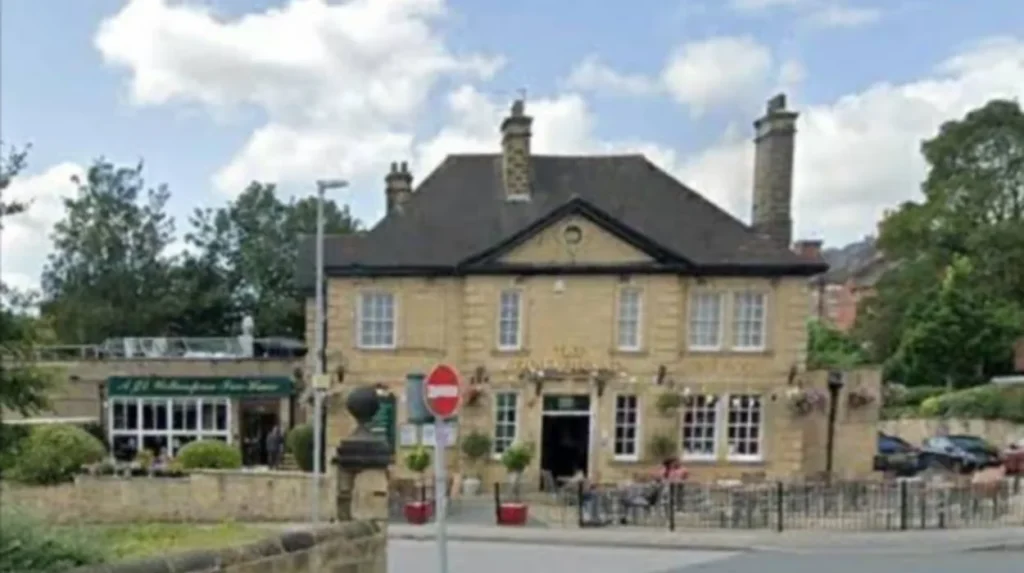
Headingley, a short distance north‑west of the centre, is known for its large student population and lively high street. The area offers a mix of vintage shops, independent cafes, bars and affordable restaurants that cater to both students and long‑term residents.
It is also home to the Headingley Stadium complex, which hosts Yorkshire County Cricket Club and rugby league fixtures, giving the area a strong sporting identity. For visitors, Headingley combines everyday Leeds life with the buzz of match days and a wide choice of casual places to eat and drink.
Chapel Allerton and “urban village” character
Chapel Allerton, to the north of the city centre, is often described as having an “urban village” feel thanks to its concentration of independent shops, cafes, bars and restaurants around a compact high street. Leafy streets and nearby parks make it appealing for families and young professionals, which has helped sustain its local business scene.
Because the area is not heavily dependent on tourist footfall, it retains a lived‑in, neighbourhood atmosphere that many visitors find more authentic than purely commercial districts. This makes Chapel Allerton a reliable suggestion for those who want to see where many Leeds residents spend their weekends and evenings.
Waterfront and Leeds‑Liverpool Canal walks
Leeds’ location on the River Aire and the Leeds–Liverpool Canal means there are plenty of waterside walks that link the city centre to outlying areas. Redeveloped zones such as Granary Wharf and Leeds Dock now combine apartments, offices, bars and restaurants with towpath routes popular with walkers and cyclists.
These routes offer a different perspective on the city’s industrial heritage, passing old warehouses and bridges while remaining easily accessible from the railway station. Because canals and rivers are permanent features, waterfront walks are an especially evergreen recommendation for both residents and tourists.
Practical tips for enjoying the best spots in Leeds
To get the most from these spots, it helps to plan around opening hours, weather and the kind of experience you want on a given day. Many museums, including the Royal Armouries and Leeds City Museum, offer free entry, which makes them excellent rainy‑day options.
For sunny days, Roundhay Park, Otley Chevin and the canal towpaths provide ample outdoor space for picnics, runs and photography. Shoppers and foodies can focus on Kirkgate Market, the Victoria Quarter and nearby arcades, while nightlife seekers may prefer Belgrave Music Hall, Call Lane’s bars or events at Leeds Dock.
Public transport connects most of these areas, with frequent buses to Roundhay, Headingley and Chapel Allerton from the city centre. Trains and buses make day trips to places like Saltaire straightforward, adding extra depth to a Leeds‑based stay without requiring a car.