
Leeds City Council serves as the backbone of local governance for one of the UK’s largest metropolitan boroughs. This evergreen guide explores its evolution, structure, responsibilities, and impact on over 800,000 residents in the City of Leeds.
Historical Evolution
Leeds’ local governance traces back to 1626 when King Charles I granted a charter establishing it as a free borough, forming the Leeds Corporation led by an alderman like Sir John Savile. A 1661 charter from Charles II introduced a mayor, with Thomas Danby as the first holder, marking early self-governance. Reformed under the 1835 Municipal Corporations Act, Leeds became a municipal borough in 1836, governed by a mayor, aldermen, and burgesses known as the town council.
The modern Leeds City Council emerged in 1974 via the Local Government Act 1972, merging the County Borough of Leeds with areas like Morley, Pudsey, Aireborough, Horsforth, Otley, Garforth, Rothwell, and parts of rural districts from the West Riding. From 1974 to 1986, it operated as a second-tier authority under West Yorkshire County Council, which handled key services until abolition in 1986 under the Local Government Act 1985. Since then, it has functioned as a unitary authority within the West Yorkshire Combined Authority, managing most local services except policing, fire, and transport run by joint committees.
Governance Structure
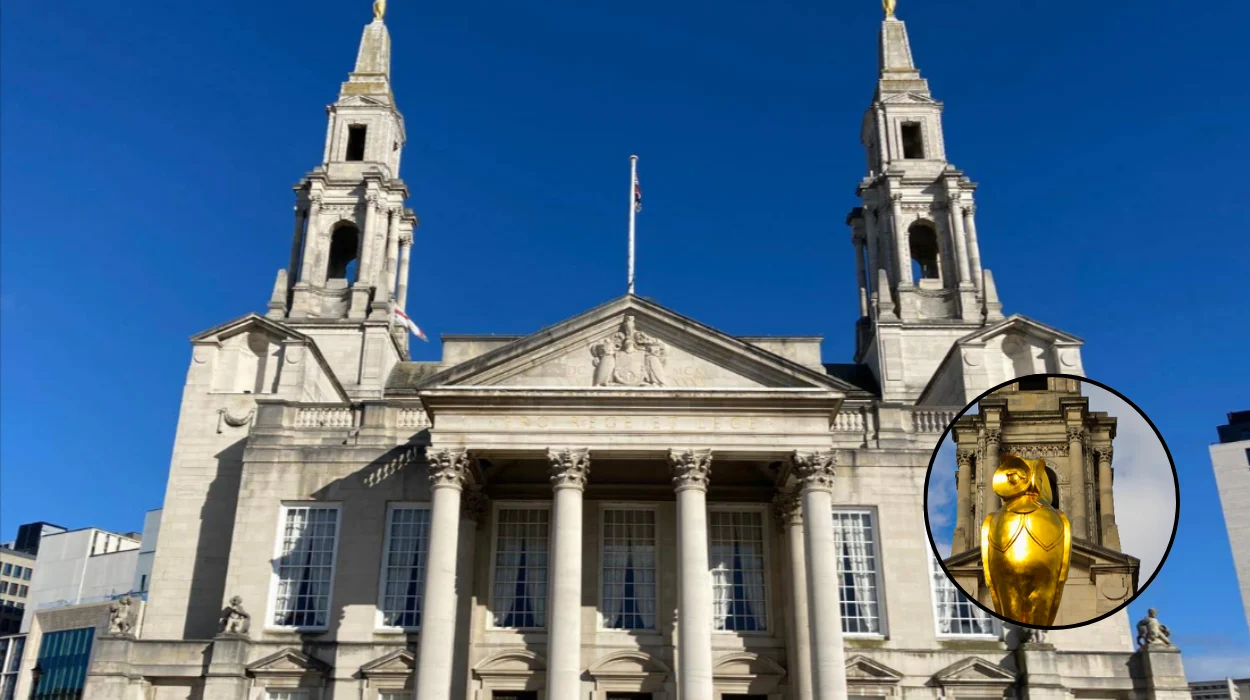
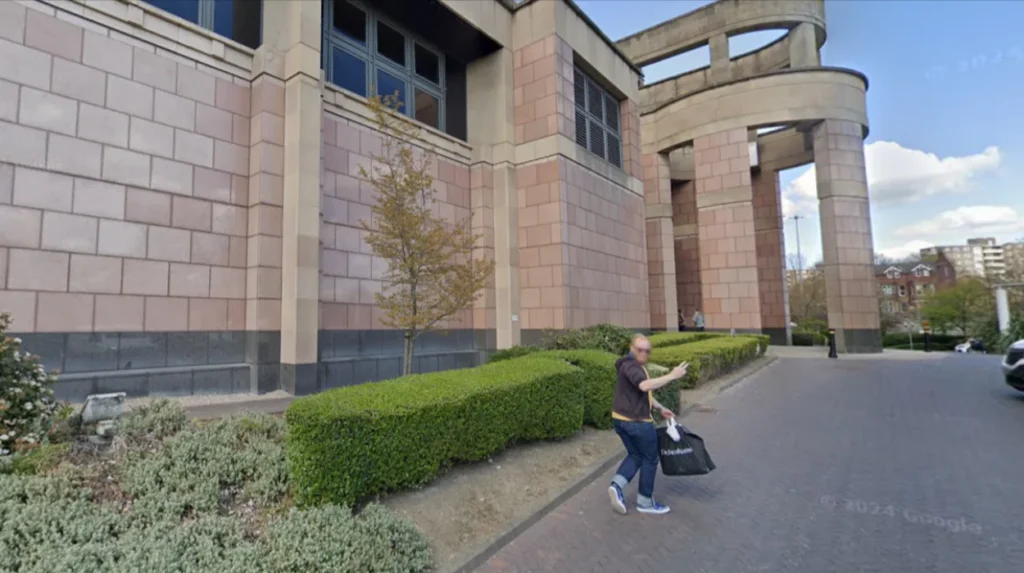
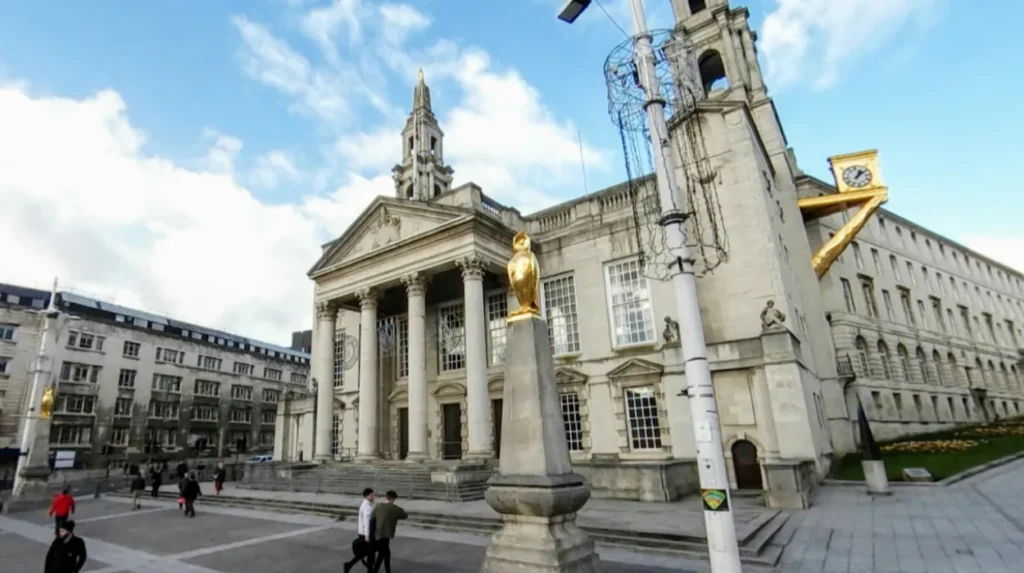
Leeds City Council operates from the Civic Hall on Calverley Street, LS1 1UR, with 99 councillors elected via first-past-the-post every four years across 30 wards. Elections occur in thirds, with the last full cycle on May 2, 2024, and the next set for May 7, 2026. The council leader, currently from Labour, heads the executive, supported by a cabinet for decision-making.
Since 2011, Labour has held a majority, following a 2004-2011 no-overall-control period with a Conservative-Liberal Democrat coalition sharing leadership. It participates in the West Yorkshire Combined Authority for regional matters like transport and economic development. The council’s constitution outlines powers, with the lord mayor as ceremonial head, preserving Leeds’ city status granted in 1893.
Key Responsibilities
The council delivers essential services including education, social care, housing, waste management, planning, and leisure facilities. As the UK’s second-largest local authority by population, it manages a budget addressing housing needs, environmental sustainability, and economic growth. It sets council tax, enforces planning regulations, and maintains over 4,000 miles of roads and 2,200 parks.
Education oversight includes 200 primary schools and multiple academies, while adult social care supports vulnerable residents. Housing initiatives tackle affordability in a city with growing demand, complemented by regeneration projects like Leeds Dock and South Bank.
Economic Role
Leeds City Council drives economic development through the Inclusive Growth Strategy, attracting investment in digital, finance, and manufacturing sectors. It partners with Leeds City Region Enterprise Partnership for skills training and infrastructure. Major projects like the Leeds Rail Growth programme enhance connectivity, supporting 1.3 million jobs region-wide.
The council promotes ethical business via procurement policies favoring local suppliers and sustainability standards. Recent focuses include net-zero goals by 2030, green spaces expansion, and support for SMEs amid post-pandemic recovery.
Social Services Overview
Social care forms a core pillar, with children’s services protecting 20,000+ at-risk youth and adult services aiding 15,000 elderly or disabled residents annually. The council runs libraries, community centers, and youth programs fostering inclusion across diverse neighborhoods from inner-city Chapeltown to suburbs like Roundhay.
Public health efforts include anti-obesity campaigns, mental health support, and COVID-19 recovery, collaborating with NHS partners. Accessibility initiatives ensure services reach non-English speakers in multicultural wards.
Environmental Initiatives
Sustainability drives council policy, targeting carbon neutrality via the Climate Emergency Plan. Measures include 100% renewable energy procurement, tree-planting drives (aiming for 2 million by 2030), and flood defenses post-2015 Boxing Day floods. Waste recycling hit 50% rates, with expansions in electric vehicle charging networks.
Parks like Roundhay (950 acres) and Temple Newsam offer biodiversity hotspots managed by the council, alongside air quality improvements in high-traffic zones.
Planning and Development
Strategic planning shapes Leeds’ skyline, with the Site Allocations Plan guiding 40,000 new homes by 2035 and commercial hubs like Leeds Waterfront. Conservation protects heritage sites including 3,000 listed buildings and Kirkgate Market, Europe’s largest covered market. Community involvement via Local Plans ensures resident input on contentious issues like green belt development.
Financial Management
The council’s £1 billion+ budget relies on council tax (25% resident share), government grants, and business rates. Challenges include austerity cuts since 2010, prompting efficiencies like shared services with neighboring authorities. Recent levelling-up funds support regeneration, with transparent reporting via annual accounts.
Community Engagement
Residents engage through consultations, ward forums, and the annual budget process. Digital platforms like MyLeeds app enable service requests, while youth councils amplify young voices. Events such as West Leeds Activity Centre programs build cohesion in a city of 800,000 with 20% BAME population.
Leeds City Council eyes devolution via the West Yorkshire mayor’s powers, enhancing transport and housing control. Priorities include affordable housing (10,000 units planned), digital inclusion, and resilient economy post-Brexit. With Labour’s majority, expect continued focus on inequality reduction and green innovation.