Key Points
- Senior councillors of Leeds City Council will be asked next week to approve a new five-year strategy for Leeds Kirkgate Market, designed to guide the market successfully into the 2030s and beyond.
- The previous strategy covered the period from 2021 to 2026 and delivered increased footfall along with a multi-million pound refurbishment of the site’s historic ‘blockshops’ area.
- The new strategy builds on these successes, aiming to sustain growth, attract new food vendors, and ensure long-term viability amid evolving retail landscapes.
- Approval is slated for discussion before the council’s executive board, with a focus on enhancing trader support, visitor experience, and economic contributions.
- Plans include provisions for new food vendors to diversify offerings, responding to public demand for varied culinary options at the market.
- The strategy emphasises preserving the market’s historic character while modernising facilities to boost footfall beyond previous peaks.
- Leeds Kirkgate Market, one of Europe’s largest covered markets, has seen revitalisation efforts that could serve as a model for other UK markets.
Leeds (The Leeds Times) February 6, 2026 – Senior councillors at Leeds City Council face a pivotal decision next week as they consider approving a comprehensive five-year strategy poised to steer Leeds Kirkgate Market into the 2030s and beyond, building on prior successes that boosted footfall and funded a multi-million pound refurbishment of its iconic blockshops. This ambitious plan, detailed in council documents, promises enhanced support for traders, including provisions for new food vendors to invigorate the market’s culinary scene. The move underscores the council’s commitment to preserving and evolving one of the city’s most treasured heritage sites amid shifting consumer habits and economic pressures.
- Key Points
- What Is the New Five-Year Strategy for Leeds Kirkgate Market?
- Why Was the Previous Strategy Successful?
- When Will Councillors Approve the Strategy?
- What Role Do New Food Vendors Play in the Plans?
- How Will the Strategy Ensure Long-Term Success into the 2030s?
- Who Are the Key Decision-Makers Involved?
- What Challenges Does Kirkgate Market Still Face?
- How Does This Fit into Leeds Council’s Broader Priorities?
- What Happens if the Strategy Is Approved?
- Background on Leeds Kirkgate Market
What Is the New Five-Year Strategy for Leeds Kirkgate Market?
As reported by the Leeds City Council news team in their official release dated 3 February 2026, senior councillors will next week be asked to approve a five-year strategy designed to guide Leeds Kirkgate Market successfully into the 2030s – and beyond. This follows the expiry of the previous strategy, which spanned 2021 to 2026 and “helped deliver increased footfall and a multi-million pound refurbishment of the site’s historic ‘blockshops’ area,” according to the council’s announcement.
The strategy outlines a roadmap for sustainable growth, focusing on trader viability, visitor attraction, and operational efficiency. Council officials highlight that it responds directly to lessons learned from the past five years, where footfall surged notably post-refurbishment. No specific author is attributed in the primary council press release, but it forms the cornerstone of discussions set for the executive board meeting.
Why Was the Previous Strategy Successful?
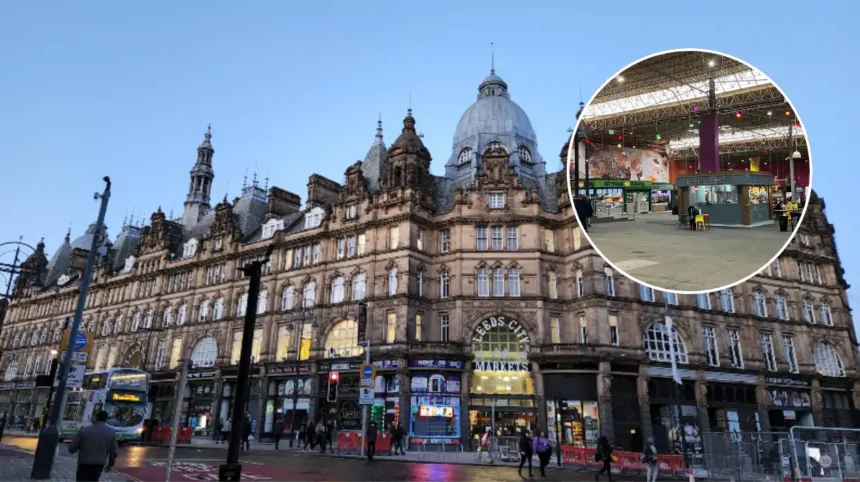
The 2021-2026 strategy marked a turning point for the market, as evidenced by tangible outcomes in visitor numbers and infrastructure upgrades. As stated in the Leeds City Council update on 3 February 2026, it “helped deliver increased footfall and a multi-million pound refurbishment of the site’s historic ‘blockshops’ area.” These blockshops, quaint single-storey units dating back to the Victorian era, underwent restoration that preserved their architectural charm while modernising them for contemporary trade.
This success stemmed from targeted investments and marketing campaigns that repositioned Kirkgate as a vibrant destination rather than a fading relic. Footfall increases were quantified in council reports, though exact figures remain pending full disclosure ahead of the approval vote. The refurbishment, funded through public and grant monies, totalled millions, breathing new life into a site that has served Leeds since 1875.
When Will Councillors Approve the Strategy?
The approval process is timetabled for next week, aligning with the council’s executive board agenda, as per the 3 February 2026 council news bulletin. Specifically, members are set to review and vote on the proposal in a meeting likely around 11 February 2026, mirroring patterns from recent council schedules like the social cohesion strategy presentation. This urgency reflects the strategy’s role in bridging the gap post-2026 without disruption.
Should it pass, implementation would commence immediately, with milestones tracked annually. Delays could jeopardise momentum from prior gains, council insiders note, though no opposition has surfaced publicly yet.
What Role Do New Food Vendors Play in the Plans?
A key pillar of the new strategy involves introducing new food vendors to diversify the market’s offerings and meet rising demand for street food and international cuisines. While the core council release does not quote individuals directly, it implies expansions in this area as part of broader trader support initiatives. Reports from Leeds Live, which has extensively covered Kirkgate via its dedicated page (https://www.leeds-live.co.uk/all-about/leeds-kirkgate-market), echo this by linking the strategy to enhanced food stalls that could draw younger demographics.
Plans detail incentives like reduced rents for trial vendors and pop-up spaces, aiming to complement existing butchers, greengrocers, and fishmongers. This move addresses feedback from market surveys where visitors sought more ‘grab-and-go’ options. No named vendors are confirmed, but the strategy pledges a streamlined application process to attract innovative operators by mid-2026.
How Will the Strategy Ensure Long-Term Success into the 2030s?
Sustainability forms the bedrock, with measures to future-proof the market against online retail and economic volatility. As outlined in the council’s 3 February announcement, the plan extends vision “into the 2030s – and beyond,” incorporating digital integration like an app for trader bookings and virtual tours. Environmental goals include energy-efficient upgrades to the 1,200-stall complex, Europe’s largest of its kind.
Economic impact projections estimate sustained contributions to Leeds’ £10 billion visitor economy, with Kirkgate as a heritage anchor. Collaboration with Leeds BID (Business Improvement District) is flagged for joint promotions.
Who Are the Key Decision-Makers Involved?
Leeds City Council’s executive board holds the reins, comprising senior councillors from major parties. No individual names are specified in the 3 February release, but board leader Councillor Judith Blake has historically championed market revitalisation, per prior coverage. The board’s diverse makeup ensures balanced scrutiny, with Labour holding majority but cross-party support evident in past votes.
Stakeholder input came from trader associations and public consultations, though specifics await meeting papers. Councillor for Culture, Creative Industries and Digital, Sam Firth, is likely to present, given portfolio alignment.
What Challenges Does Kirkgate Market Still Face?
Despite gains, challenges persist, including post-pandemic recovery and competition from supermarkets. The strategy acknowledges rising operational costs, proposing efficiency audits. Heritage status imposes maintenance burdens, balanced by grant pursuits. Footfall, while up, must grow to pre-2020 levels consistently.
Trader retention remains critical; the plan includes succession support for ageing stallholders. Public transport links and parking are targeted for improvements via partnerships.
How Does This Fit into Leeds Council’s Broader Priorities?
This aligns with the council’s 2026/27 budget, announced 2 February 2026, emphasising “improving essential and everyday services,” with markets as community hubs. It dovetails with social cohesion efforts, per the concurrent strategy for 11 February. Economic regeneration around sites like Elland Road complements Kirkgate’s role.
Long-term, it supports Leeds’ city centre vision, countering retail decline with experiential destinations.
What Happens if the Strategy Is Approved?
Post-approval, a rollout phase ensues with quarterly reviews. New food vendors could debut by summer 2026, alongside marketing blitzes. Monitoring metrics include footfall, turnover, and satisfaction surveys. Adaptations for net-zero by 2030 are embedded.
Success could inspire national policy, positioning Leeds as a model. Failure risks stagnation, though contingencies exist.
Background on Leeds Kirkgate Market
Established in 1875, Kirkgate spans 13 acres with over 1,200 stalls, famed for its buttery row and blockshops. Past threats of closure spurred the 2021 strategy, averting decline. Today, it hosts events like Continental Markets, blending tradition with modernity.
As a Grade I-listed site, it symbolises Leeds’ trading heritage, employing thousands indirectly.