

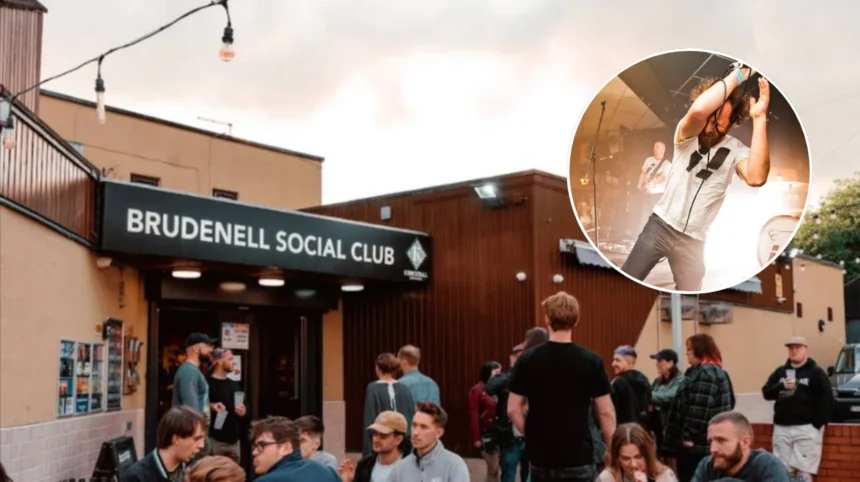
Social clubs in Leeds have long been the heartbeat of community life, offering timeless spaces for connection, entertainment, and tradition. From historic working men’s clubs to modern networking hubs, these venues cater to everyone from locals seeking nostalgia to professionals building careers, making them essential for anyone in the city looking to belong.
A Rich Historical Legacy
Social clubs in Leeds emerged during the Industrial Revolution, providing vital respite for workers in the bustling city. The Holbeck Working Men’s Club, established in 1871, holds the distinction as the oldest surviving example in the UK, initially focusing on education, billiards, and lectures before introducing bars to sustain operations. By 1907, it boasted 501 members and substantial funds, reflecting the clubs’ role in fostering mutual support amid harsh factory conditions.
The Brudenell Social Club followed in 1913, starting as a modest wooden clubhouse in Hyde Park for gentlemen’s recreation, later rebuilt in brick in 1978 at a cost of £160,000. These institutions hosted cabaret shows, bingo nights, and sports like bowls and football, becoming social anchors during wartime and beyond. Post-WWII, high-profile visitors like politician Hugh Gaitskell graced Holbeck, and it broke ground by admitting women in 1959, evolving with societal shifts.
Iconic Traditional Venues
Holbeck Working Men’s Club endures as a symbol of resilience, earning a blue plaque in 2019 for 150 years of service and now welcoming guests for Motown nights, bingo, and community events. Its volunteer-driven model has navigated economic challenges, including post-recession recovery aided by theatre group Slung Low in 2018.
Brudenell Social Club maintains its authentic working men’s charm with a 400-capacity concert room, games area featuring pool and darts, and affordable cask ales. Other cherished spots like Sheepscar Working Mens Club and Jubilee Social Club uphold traditions of cheap drinks, live entertainment, and charity fundraisers, reinvesting profits back into local causes. These clubs offer a warm, familiar atmosphere that’s quintessentially Leeds.
The Modern Evolution
As demographics changed with student booms and urbanization, traditional clubs adapted ingeniously. Brudenell’s Hyde Park location transformed it into a music haven from the 1990s, overcoming 2004 noise complaints through community fundraising and lottery grants to become a public social enterprise in 2007. Holbeck similarly rebranded, hosting inclusive events amid neighborhood changes.
This shift mirrors broader UK trends, where clubs like these opted out of CIU affiliation for greater flexibility, blending heritage with contemporary appeal. Today, they stand as cultural landmarks, proving social clubs in Leeds remain relevant in a digital age.
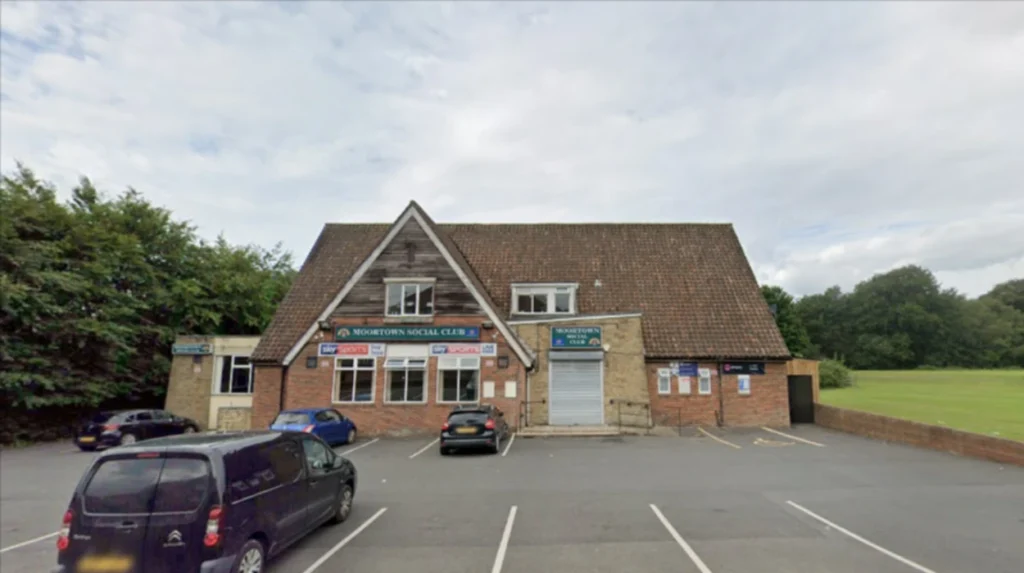
Thriving Music and Entertainment Scenes
Brudenell Social Club reigns supreme for live music enthusiasts, having hosted secret gigs by Franz Ferdinand in 2004, Kaiser Chiefs in 2005, and annual Cribsmas residencies by The Cribs. Its diverse lineup—from punk and indie to hip-hop—clinched the 2024 Northern Music Awards’ Inspirational Venue prize, with the 2017 Community Room adding capacity for emerging talent.
Holbeck complements this with lively bingo and dance evenings, while venues like Queens Court in the Freedom Quarter attract LGBTQ+ crowds for cabaret and themed nights. Even during COVID, Brudenell innovated with “Social Distancing Club” merchandise to support artists, showcasing its community spirit. These spots deliver unforgettable nights out rooted in Leeds’ vibrant nightlife.
Networking for Professionals and Students
Leeds’ modern social clubs cater brilliantly to young professionals and students. The After Work Club organizes casual networking events at city bars, helping build meaningful business connections in a relaxed setting. The Entrepreneurs Club, with 26 years of history, hosts exclusive quarterly lunches for directors, focusing on strategic discussions and growth opportunities.
Wire Club provides members with priority event access and insider newsletters. For students, the University of Leeds offers over 300 societies via LUU Engage, from sports to quirky niches, boosting CVs and friendships. Active Leeds memberships unlock gyms, pools, and classes across city centers, complete with expert guidance. These options make joining effortless and rewarding.
Key Benefits of Membership
Joining a social club in Leeds combats isolation through regular social interaction, affordable meals, and diverse activities, much like the vital lunch clubs supporting older residents. Traditional venues deliver cheap pints, games, and charity events—Holbeck’s teams even clinched local sports leagues.
Modern clubs excel in networking; The Entrepreneurs Club has propelled countless businesses forward. Health gains abound via Active Leeds’ fitness perks, including staff support and discounts. Brudenell’s fair wages and reinvestments create a supportive ecosystem, enhancing wellbeing, skills, and a profound sense of belonging.
How to Join and Get Started
Getting involved is straightforward—contact clubs directly, as Holbeck welcomes affiliates and guests alike. Brudenell operates openly; snag gig tickets via their site. Professionals can register for After Work events or apply to The Entrepreneurs Club. Students should dive into LUU Engage’s offerings.
Many provide guest passes or trials, like Active Leeds’ flexible plans. Check websites or call for current hours, as some follow classic schedules. Whether you’re a lifelong Leodis or new arrival, these clubs promise enduring connections.
Social clubs in Leeds weave history, music, and camaraderie into the city’s fabric, offering evergreen appeal for all. Dive in to experience the legacy firsthand—your new favorite haunt awaits.

