
Key Points
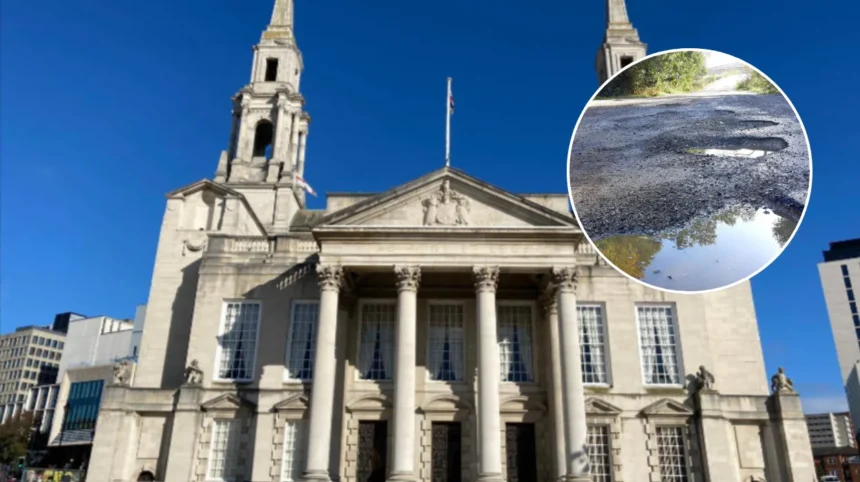
- Mark Dobson, councillor for Garforth and Swillington, has publicly criticised the worsening pothole situation on roads in his ward, labelling them as “dangerous” and a threat to public safety.
- Dobson wrote a formal letter to Councillor Jonathan Pryor, Leeds City Council’s executive board member for transport, urging immediate action and proper future resurfacing work.
- Reports indicate that potholes in the area have grown so large that Dobson receives daily complaints from residents about burst tyres and damaged alloys.
- The issue links to broader concerns in Leeds, including a previous incident at Harewood Bridge where a pensioner claimed a pothole caused over £1,000 in car damage, sparking a row with the council.
- Dobson calls for Leeds City Council to prioritise quality resurfacing to prevent further incidents and ensure road safety.
- No specific response from Councillor Pryor or the council is detailed in initial reports, highlighting ongoing accountability questions.
- The story underscores persistent infrastructure challenges in Leeds wards like Garforth and Swillington amid rising resident frustrations.
Garforth (The Leeds Times) February 14, 2026 – A local councillor has raised the alarm over “dangerous” potholes plaguing roads in Garforth and Swillington, warning that they pose serious risks to public safety as complaints of vehicle damage surge.
- Key Points
- Why Are Potholes a Major Concern in Garforth?
- Who Is Mark Dobson and What Action Has He Taken?
- What Is Leeds City Council’s Role in Road Maintenance?
- How Do Potholes Form and Why Are They Dangerous?
- What Have Residents Said About the Pothole Crisis?
- Has Leeds Faced Pothole Issues Before?
- What Response Has the Council Provided?
- Why Is Proper Resurfacing Critical for Public Safety?
- What Next Steps Are Expected?
- How Does This Affect Daily Life in Leeds Wards?
Why Are Potholes a Major Concern in Garforth?
Potholes have become a persistent hazard on roads across Mark Dobson’s ward, with the councillor reporting daily incidents of burst tyres and damaged alloys. As reported by Alex Grant of the Yorkshire Evening Post, Dobson stated in a letter to Councillor Jonathan Pryor that some potholes are now so large they are causing widespread vehicle damage.
This escalation has prompted Dobson to demand that Leeds City Council ensure all future resurfacing work is carried out to a high standard to avert accidents.
The severity of the issue mirrors previous cases in the Leeds area, such as the Harewood Bridge incident where a pensioner held the council accountable for over £1,000 in repairs after hitting a pothole. Residents in Garforth and Swillington have echoed these concerns, flooding Dobson’s office with reports that highlight the immediate dangers to drivers, cyclists, and pedestrians alike.
Leeds City Council faces mounting pressure to address these complaints, as poor road maintenance not only endangers lives but also incurs significant costs for locals forced to repair their vehicles.
Who Is Mark Dobson and What Action Has He Taken?
Mark Dobson serves as the councillor for Garforth and Swillington, a role that positions him at the forefront of local infrastructure issues. In his letter to Councillor Jonathan Pryor, City Council’s executive board member for transport, Dobson detailed the scale of the problem, noting the influx of daily reports from constituents. As covered by Alex Grant in the Yorkshire Evening Post, Dobson wrote:
“some of the potholes in his ward are now so large he is receiving daily reports of burst tyres and damaged alloys.”
Dobson’s proactive stance reflects his commitment to ward safety, calling explicitly for rigorous standards in resurfacing projects. This correspondence underscores a broader call for accountability within Leeds City Council, urging swift intervention before further harm occurs.
No immediate reply from Pryor has been publicised, leaving residents awaiting clarity on planned repairs.
What Is Leeds City Council’s Role in Road Maintenance?
Leeds City Council bears responsibility for maintaining thousands of kilometres of roads, yet persistent pothole complaints suggest systemic shortcomings. Councillor Jonathan Pryor, as executive board member for transport, oversees these efforts, making him the direct recipient of Dobson’s critique.
The council has faced similar accusations in the past, including the Harewood Bridge dispute where a pensioner’s claim of £1,000+ damage was contested.
Dobson’s letter emphasises the need for “future resurfacing work… done properly,” implying past efforts have fallen short. Council budgets for highways have been strained by weather damage and funding cuts, but critics argue prioritisation remains inadequate.
Residents expect transparent updates on repair schedules and funding allocations to restore faith in local governance.
How Do Potholes Form and Why Are They Dangerous?
Potholes typically arise from water seeping into road cracks, freezing, and expanding to dislodge surface material—a process exacerbated by Leeds’ harsh winters. In Garforth, these craters have reportedly grown large enough to shred tyres and bend alloys, as Dobson receives “daily reports” attest. Alex Grant of the Yorkshire Evening Post highlighted this in coverage linking to the Harewood Bridge case, where structural failure led to substantial financial loss for a pensioner.
The dangers extend beyond vehicles: swerving to avoid potholes risks collisions, particularly for cyclists and motorcyclists. Public safety concerns amplify as visibility drops in rain, a common Leeds condition.
Councillors like Dobson advocate for preventive measures, such as timely resurfacing, to mitigate these risks before they escalate into tragedies.
What Have Residents Said About the Pothole Crisis?
Constituents in Garforth and Swillington have bombarded Councillor Dobson with complaints, describing roads as treacherous. Daily reports of burst tyres and damaged alloys indicate a ward-wide frustration, as first detailed in Dobson’s letter. The Yorkshire Evening Post, via Alex Grant, connected this to the pensioner’s Harewood Bridge row, where the victim claimed “alarming” damage exceeding £1,000 from a single pothole.
These accounts paint a picture of everyday peril, with families avoiding certain routes and businesses decrying repair costs. One unnamed resident reportedly told Dobson of repeated alloy failures, echoing sentiments across Leeds wards.
Such grassroots feedback pressures the council to act, transforming individual woes into a collective demand for safer streets.
Has Leeds Faced Pothole Issues Before?
Leeds has a history of pothole controversies, with the Harewood Bridge incident serving as a stark precedent. There, a pensioner engaged in a “council row” after a pothole allegedly caused over £1,000 in car damage, as linked in the Yorkshire Evening Post’s coverage by Alex Grant. This case parallels Garforth’s woes, where Dobson notes identical damage patterns.
Previous winters have seen similar surges, prompting compensation claims topping thousands annually. Councillor Dobson’s intervention fits a pattern of elected officials challenging the council’s maintenance regime.
Historical data reveals funding shortfalls and delayed repairs as recurring themes, fuelling calls for systemic overhaul.
What Response Has the Council Provided?
As of 14 February 2026, no public response from Councillor Jonathan Pryor or Leeds City Council has emerged regarding Dobson’s letter. The absence of acknowledgment heightens tensions, especially given the daily reports Dobson cites. Alex Grant’s Yorkshire Evening Post article notes the letter’s urgency but lacks council rebuttal, leaving questions unanswered.
Pryor’s office may be reviewing the claims, potentially announcing repair timelines soon. Past incidents like Harewood Bridge involved disputes over liability, suggesting internal deliberations precede statements.
Residents and Dobson await official commitments to pothole fixes and resurfacing protocols.
Why Is Proper Resurfacing Critical for Public Safety?
Councillor Dobson insists Leeds City Council must “ensure future resurfacing work is done properly,” warning that substandard repairs perpetuate the cycle. Poor execution leads to rapid deterioration, as seen in Garforth’s enlarging potholes. The Yorkshire Evening Post, reporting via Alex Grant, frames this as essential to halting “daily reports of burst tyres and damaged alloys.”
Quality resurfacing involves durable materials and thorough preparation, reducing long-term hazards. Neglect not only endangers lives but burdens public finances with claims.
Dobson’s plea aligns with national road safety standards, pressing for investment in prevention over reaction.
What Next Steps Are Expected?
Dobson’s letter signals escalating scrutiny, potentially leading to council debates or inspections in Garforth and Swillington. Leeds City Council may deploy teams for emergency fills, followed by comprehensive resurfacing plans. Monitoring resident feedback will gauge progress, as Dobson continues logging incidents.
Broader implications could influence transport budgets, with Pryor facing calls for transparency. Community meetings might amplify voices, pushing for accountability.
Until action materialises, drivers navigate at their peril, underscoring the urgency of resolution.
How Does This Affect Daily Life in Leeds Wards?
For Garforth and Swillington residents, potholes disrupt commutes, inflate repair bills, and erode trust in local services. Daily tyre bursts and alloy damage, as Dobson reports, strain household budgets amid rising costs. Businesses suffer from delayed deliveries, while vulnerable road users face heightened risks.
The Harewood Bridge precedent illustrates financial tolls exceeding £1,000 per incident, per the pensioner’s claim covered by Alex Grant in the Yorkshire Evening Post. This cumulative impact demands swift council intervention to safeguard mobility and safety.