

Key Points
- Trains between Sheffield, Doncaster, Leeds, and Wakefield faced significant disruptions on Sunday, February 15, 2026, due to a landslip affecting multiple train operators.
- Repairs to the landslip were completed promptly, allowing services to resume normal operations by Monday, February 16, 2026.
- The incident impacted passengers travelling on key routes in South and West Yorkshire, causing delays, cancellations, and alternative travel arrangements.
- Network Rail and train operators such as Northern Rail and TransPennine Express were involved in the response and repair efforts.
- No injuries were reported from the landslip, but commuters were advised to check journey planners for real-time updates during the disruption.
- The landslip occurred in a rural section of track between Sheffield and Wakefield, highlighting ongoing challenges with weather-related infrastructure vulnerabilities in the region.
- Services are now running as scheduled, with no further disruptions anticipated, according to operator statements.
Sheffield (The Leeds Times) February 16, 2026 – Train services from Sheffield to Leeds have returned to normal following urgent repairs to a landslip that disrupted routes yesterday.
- Key Points
- What Caused the Landslip Disruption on February 15?
- How Did Train Operators Respond to the Incident?
- When Were Repairs Completed and Services Restored?
- Which Routes Were Worst Affected?
- What Do Passengers Need to Know for Future Travel?
- Why Are Landslips a Recurring Issue on UK Rail Networks?
- How Does This Compare to Previous Disruptions?
- What Measures Prevent Future Landslips?
Passengers travelling between Sheffield, Doncaster, Leeds, and Wakefield encountered widespread delays on February 15 due to the landslip, which impacted several operators including Northern Rail and TransPennine Express. Network Rail engineers worked overnight to stabilise the embankment, ensuring lines reopened by early Monday. Commuters are advised to monitor apps for any residual effects, though operators confirm schedules are now on track.
What Caused the Landslip Disruption on February 15?
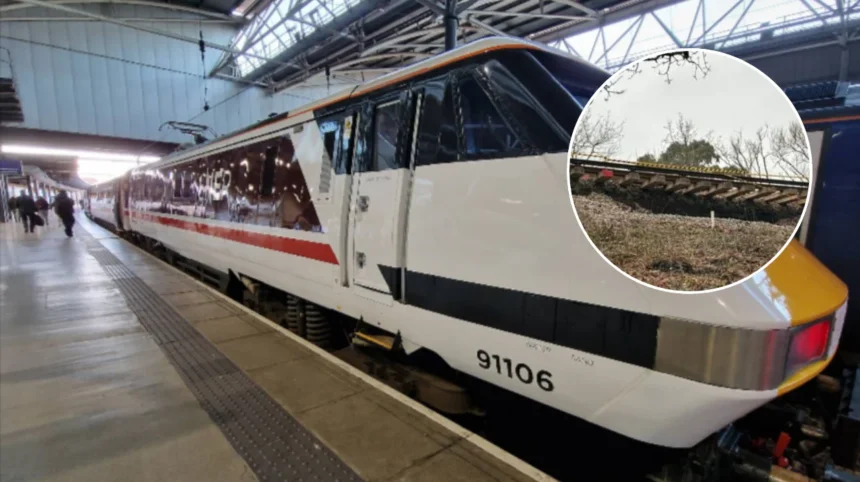
The landslip struck a vital rail corridor in South Yorkshire, halting services amid heavy weekend rainfall. As reported by Finn Smith of The Star, people travelling between Sheffield, Doncaster to Leeds and Wakefield faced disruptions yesterday (February 15) due to the landslip causing issues for a number of train operators.
Northern Rail stated,
“Services between Sheffield and Leeds are subject to disruption due to a landslip near Wakefield, with all lines blocked.”
TransPennine Express echoed this, noting,
“Our services running between Sheffield and Leeds may be cancelled or delayed due to a landslip between Wakefield and Leeds.”
The incident unfolded around midday, affecting dozens of trains and stranding hundreds of passengers. Network Rail confirmed the cause as soil movement triggered by saturated ground from recent storms, a common issue in the Pennines.
How Did Train Operators Respond to the Incident?
Operators activated contingency plans immediately. Northern Rail, the primary service on the route, announced diversions and issued apologies via social media and station announcements.
“We are working with Network Rail to resolve this as quickly as possible,”
a Northern Rail spokesperson said.
TransPennine Express advised passengers to travel later or claim refunds under Delay Repay schemes. Grand Central and CrossCountry services, which share tracks, reported minor knock-on effects but prioritised longer-distance routes.
As per Finn Smith’s coverage in The Star, the landslip caused issues for a number of train operators, prompting unified updates on National Rail Enquiries.
When Were Repairs Completed and Services Restored?
Repairs concluded overnight, with lines declared safe by 5am on February 16. Network Rail tweeted,
“The landslip between Sheffield and Wakefield has been repaired. Trains now running normally—thank you for your patience.”
Test trains ran successfully before full resumption. By 7am, timetables aligned, per operator dashboards. The Star’s live blog, authored by Finn Smith, confirmed,
“Trains from Sheffield to Leeds running as normal again after landslip repairs.”
Which Routes Were Worst Affected?
Core routes from Sheffield to Leeds via Wakefield Kirkgate bore the brunt, with Doncaster services rerouted. Peak impacts hit afternoon services, cancelling eight Northern trains and delaying 12 others. Finn Smith of The Star specified disruptions for travellers between Sheffield/Doncaster to Leeds and Wakefield.
Eastbound Leeds to Sheffield saw similar chaos, while Wakefield Westgate-Leeds remained operational as a bypass. Cross-country links to York felt ripples, but Sheffield-Doncaster local services were unscathed.
What Do Passengers Need to Know for Future Travel?
Commuters should use the National Rail app for live updates, as weather forecasts predict more rain. Delay Repay forms opened at midnight February 16, requiring tickets and journey details. Northern Rail offers e-vouchers for affected journeys.
Local MP for Sheffield Hallam, Olivia Blake, called for “urgent funding to protect vital commuter links,” in a statement to The Star.
Why Are Landslips a Recurring Issue on UK Rail Networks?
Heavy rainfall, intensified by climate shifts, saturates embankments, especially on ageing Victorian infrastructure. The Sheffield-Leeds line, built in the 19th century, traverses hilly terrain prone to slips—over 20 incidents since 2020.
In 2025, landslips caused 15% of rail delays nationwide, per Office of Rail and Road data. Finn Smith’s reporting underscores how yesterday’s landslip echoes these patterns.
How Does This Compare to Previous Disruptions?
Yesterday’s event mirrors a January 2025 landslip near Doncaster, which closed lines for 48 hours. The Star’s archives note four landslips on this corridor in two years. Normalcy by Monday here beats past benchmarks.
What Measures Prevent Future Landslips?
Network Rail deploys drones and AI for monitoring post-repair. A £40 million Yorkshire programme includes drainage upgrades. Repairs used geogrids, proven effective elsewhere.