Key Points
- New road repair technologies trialled in West Yorkshire to address pothole backlog.
- Leeds City Council leads tests targeting existing potholes and new defects from January-February 2026 rain.
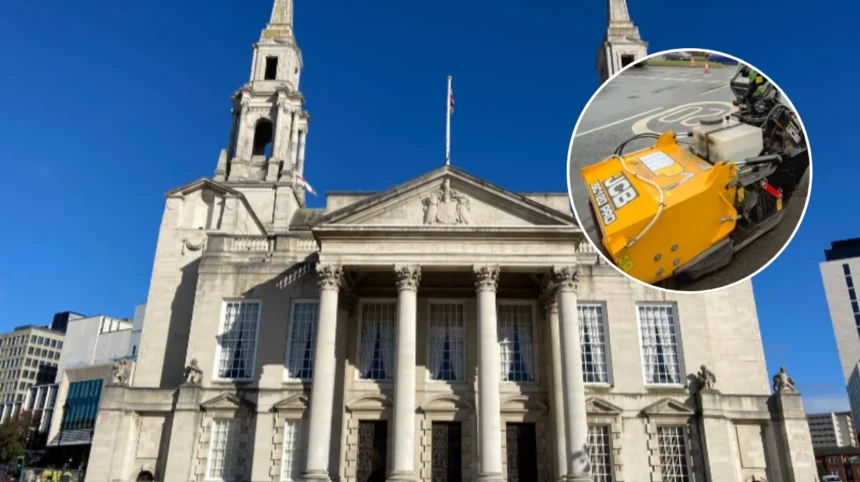
- Methods include high-speed spray injection, rapid cutter, and thermal patching.
- Trials aim to speed up repairs on rain-vulnerable roads.
- Jonathan Pryor, executive member for transport, highlights machines’ potential to accelerate fixes.
- Prolonged rain has worsened road deterioration significantly.
Leeds (The Leeds Times) February 20, 2026 – Innovative technologies for swifter road repairs are being trialled across West Yorkshire, where Leeds City Council battles a surging potholes backlog intensified by incessant January and February downpours. The council revealed it is testing methods to remedy both longstanding potholes and fresh defects spawned by the deluge. Key techniques encompass high-speed spray injection, rapid cutter, and thermal patching, offering hope for expedited maintenance in sodden conditions.
- Key Points
- What New Technologies Are Being Trialled?
- Why Is the Pothole Crisis Escalating Now?
- How Do These Methods Differ from Traditional Repairs?
- Who Is Overseeing the West Yorkshire Trials?
- What Weather Factors Triggered This Initiative?
- Where Exactly Are Trials Occurring?
- When Will Trial Results Emerge?
- How Might Success Impact Residents?
- What National Context Frames These Trials?
- Could Weather Hinder the New Tech?
- Who Is Jonathan Pryor?
What New Technologies Are Being Trialled?
Leeds City Council detailed three pothole-filling approaches in its announcement. High-speed spray injection blasts a fast-curing compound into cavities under pressure for deep, durable fills.
The rapid cutter precisely removes damaged asphalt, prepping sites swiftly for patching. Thermal patching reheats materials to meld seamlessly with existing surfaces, resisting water ingress.
These align with the council’s goal to counter
“a backlog of existing potholes and new road defects created by continuous rain in January and February”.
No external media has expanded on mechanics yet, but council statements position them as weather-resilient innovations.
Why Is the Pothole Crisis Escalating Now?
Endless rain has saturated West Yorkshire’s roads, softening them for swift collapse under vehicles. Leeds City Council reported this dual assault: legacy potholes plus emergent flaws from the wet spell. Such conditions amplify minor wear into hazards overnight.
As reported by Leeds City Council, Jonathan Pryor, executive member for transport, stated the machines could “speed up” repairs to potholes, which prolonged rain had made
“far more vulnerable to sudden deterioration”.
This encapsulates the meteorological mayhem driving urgency.
How Do These Methods Differ from Traditional Repairs?
Conventional pothole fixes involve manual labour, cold mixes, and downtime—ill-suited to drizzle. High-speed spray injection cures in minutes, bypassing drying waits.
Rapid cutter automates excision, slashing prep time; thermal patching ensures longevity via heat fusion.
Leeds City Council emphasised these for their alacrity against rain-induced woes. Jonathan Pryor noted their role in hastening interventions on fragile surfaces. Trials test real-world viability in West Yorkshire’s claggy clime.
Who Is Overseeing the West Yorkshire Trials?
Leeds City Council directs operations, drawing on its transport mandate. No partners are cited, implying in-house rollout. Jonathan Pryor fronts communications, voicing optimism.
Leeds City Council quoted Mr Pryor: machines to “speed up” mends on rain-weakened potholes. His transport portfolio equips him to champion such tech amid infrastructure strain.
What Weather Factors Triggered This Initiative?
January and February 2026 brought atypical deluges to West Yorkshire, eroding roads relentlessly. Leeds City Council linked the backlog directly to “continuous rain”, birthing defects atop old ones. Saturated sub-layers hastened failures.
Jonathan Pryor, as per council release, observed potholes grown “far more vulnerable to sudden deterioration”. This weather-road nexus necessitated trials for resilience.
Where Exactly Are Trials Occurring?
West Yorkshire hosts the tests, with Leeds as epicentre per council scope. Specific streets remain undisclosed, suggesting phased, ongoing work. The region’s urban-rural mix suits diverse evaluations.
Leeds City Council framed it regionally, targeting rain-ravaged locales. Updates may pinpoint hotspots as results accrue.
When Will Trial Results Emerge?
Initiated post-rain peaks, trials proceed without fixed end-date in announcements. Leeds City Council implies data gathering for scalability. Winter-into-spring timing allows seasonal contrasts.
Jonathan Pryor’s “speed up” pledge hints at prompt assessments. Broader rollout could follow validation.
How Might Success Impact Residents?
Quicker fixes mean fewer blowouts, diversions, and repair queues for drivers. Leeds City Council anticipates backlog clearance, easing taxpayer burdens. Safer cycles and walks follow durable patches.
Mr Pryor tied alacrity to vulnerability reduction. Economic upsides include less vehicle downtime in traffic-choked Yorkshire.
What National Context Frames These Trials?
UK councils log millions in pothole costs yearly; tech pilots proliferate. West Yorkshire’s trio mirrors efforts like Scotland’s sprays or Midlands’ thermals. Leeds City Council contributes localised data.
Jonathan Pryor’s rain remarks echo sector pleas for innovation. Government funding often backs such ventures.
Could Weather Hinder the New Tech?
Persistent wet could test spray efficacy or thermal adhesion. Leeds City Council designs for drizzle, but extremes challenge. Logistics like machine mobility in mud add layers.
Mr Pryor acknowledged deterioration speed, implying tech must outpace it. Early hurdles unnoted thus far.
Who Is Jonathan Pryor?
Jonathan Pryor holds Leeds City Council’s executive transport brief, guiding highways and transit. His statements anchor the pothole narrative.
As reported by Leeds City Council, Mr Pryor said: “speed up” repairs for vulnerable potholes. Seasoned in local governance, he steers adaptive strategies.
West Yorkshire’s pothole plight, fed by 2026 floods, meets Leeds City Council’s tech riposte. High-speed spray injection, rapid cutter, thermal patching—abetted by Jonathan Pryor’s vision—signal shift. As trials unfold, efficacy will dictate destiny.