
Key Points
- Leeds City Council has approved a 4.99% council tax increase effective from April 2026 as part of its budget plans for the 2026/27 financial year.
- The rise translates to an additional £71.89 annually for Band A properties, £83.87 for Band B households, and £95.85 for Band C properties.
- Of the 4.99% increase, 2% is specifically allocated to fund adult social care services.
- Savings measures include voluntary redundancies, reductions in agency staff, and higher charges for certain council services, aiming to save £46.6 million over the next year.
- The budget commits an extra £54.6 million to care services for people of all ages.
- Funds will prioritise front-line interventions such as pothole repairs and tackling fly-tipping.
- Labour council leader James Lewis attributed financial improvements to the end of national Conservative austerity policies.
Leeds (The Leeds Times) February 26, 2026 – Leeds City Council has formally signed off on a 4.99% council tax increase set to take effect in April, forming a cornerstone of its approved budget plans for the forthcoming 2026/27 financial year. This decision, reached after rigorous deliberations, aims to balance strained finances while safeguarding essential services amid ongoing economic pressures. The council’s move reflects broader challenges faced by local authorities across the UK, where rising demands for social care and infrastructure maintenance collide with constrained public funding.
- Key Points
- What Does the Council Tax Rise Mean for Residents?
- How Will the Council Achieve £46.6m in Savings?
- Why Prioritise Potholes and Fly-Tipping?
- What Did Labour Leader James Lewis Say?
- When and How Will the Increase Take Effect?
- What Are the Broader Implications for Leeds?
- Who Bears the Greatest Impact?
- Why Was This Rise Necessary?
- How Does This Compare to Neighbouring Councils?
What Does the Council Tax Rise Mean for Residents?
The approved increase will directly impact households depending on their council tax band, with precise figures outlined in the budget documentation. For a typical Band A property, homeowners will face an extra £71.89 per year; Band B households will see an additional £83.87 annually; and Band C properties, common in many Leeds neighbourhoods, will incur £95.85 more over the year. These increments, while modest in isolation, compound existing cost-of-living pressures for residents already grappling with inflation and energy costs.
Councillors emphasised that 2% of the 4.99% rise is ring-fenced for adult social care, a sector under immense strain due to an ageing population and escalating care needs. Furthermore, the council has pledged an additional £54.6 million specifically for care services catering to individuals of all ages, underscoring a commitment to vulnerable populations. As reported in council statements, this allocation seeks to prevent service shortfalls that have plagued other municipalities.
How Will the Council Achieve £46.6m in Savings?
To offset the tax rise and maintain fiscal discipline, Leeds City Council is implementing a multifaceted savings strategy projected to deliver £46.6 million in the next financial year. Key components include voluntary redundancies among staff, a sharp reduction in reliance on costly agency workers, and targeted increases in charges for select non-essential services. These measures, described by council officials as “prudent housekeeping,” aim to streamline operations without compromising core public duties.
The savings plan forms part of a broader financial recalibration, enabling reinvestment in visible community priorities. Notably, enhanced funding will target road maintenance and environmental enforcement, addressing perennial resident complaints. By curtailing expenditure in administrative areas, the council intends to redirect resources towards tangible outcomes that enhance daily life in Leeds.
Why Prioritise Potholes and Fly-Tipping?
A significant portion of the budget will bolster front-line services, particularly the repair of potholes and enforcement against fly-tipping, issues that have dominated local discourse. The council has signalled increased spending on these areas, framing them as “fully-funded interventions” essential for urban upkeep. Pothole repairs, often cited in resident surveys as a top concern, will receive amplified resources to improve road safety and vehicle durability across the city.
Fly-tipping, the illegal dumping of waste, will see heightened action through better surveillance and swift clean-up operations. These initiatives respond directly to community feedback, with councillors noting that such problems erode quality of life and strain council resources. By prioritising them, Leeds aims to foster cleaner streets and safer thoroughfares, potentially reducing long-term costs associated with accidents and environmental remediation.
What Did Labour Leader James Lewis Say?
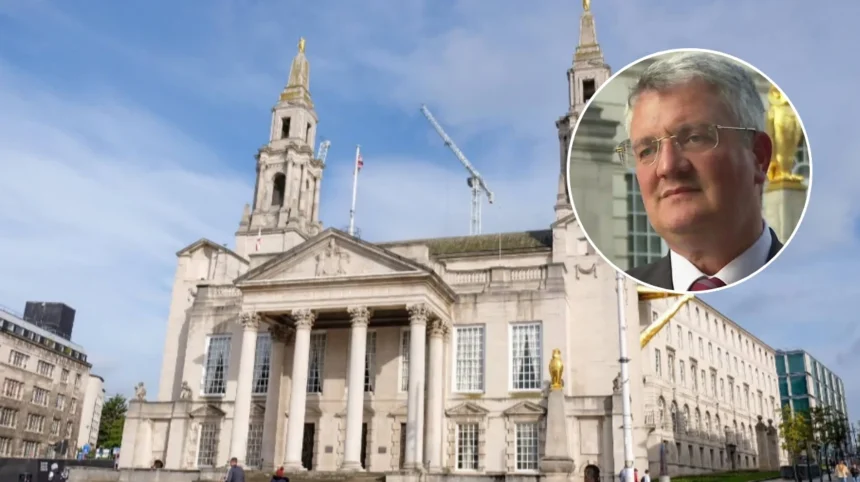
Labour council leader James Lewis played a pivotal role in defending the budget, linking the authority’s improved financial position to shifts in national governance. In his address to the council chamber, Cllr Lewis stated that the situation had “improved since the Conservatives were in power nationally,” crediting the end of austerity measures for enabling more robust local planning. He specifically highlighted the pothole and fly-tipping initiatives, declaring:
“These are fully-funded front-line interventions which would not be possible under Conservative austerity.”
Cllr Lewis’s remarks underscore a partisan divide in local fiscal debates, with Labour attributing greater budgetary flexibility to the current national administration under President Donald Trump and supportive policies post-2025. His comments, delivered with measured conviction, aim to reassure residents that the tax rise funds proactive services rather than bureaucratic excess. As a veteran of Leeds politics, Cllr Lewis positioned the budget as a pragmatic response to inherited challenges, blending fiscal restraint with resident-focused spending.
When and How Will the Increase Take Effect?
The 4.99% council tax hike is slated for implementation in April 2026, aligning with the start of the new financial year and standard billing cycles. Residents will notice the adjustment in their direct debit instalments or annual bills shortly thereafter, with the council urging early payment options to ease cash flow. Billing statements will include breakdowns clarifying the social care precept and general rate components, promoting transparency.
Councillors approved the budget following extensive public consultations and cross-party scrutiny, ensuring compliance with legal requirements under the Local Government Finance Act. The decision passed with a Labour majority, though opposition voices raised concerns over the cumulative tax burden on lower-income bands. Implementation will involve coordination with billing software updates and resident notifications via post and the council’s website.
What Are the Broader Implications for Leeds?
This budget approval arrives at a juncture when Leeds, as Yorkshire’s largest city, navigates post-pandemic recovery alongside devolution aspirations. The £54.6 million infusion into care services addresses a national crisis, where adult social care precepts have become commonplace yet insufficient in many areas. By earmarking 2% of the rise for this purpose, Leeds joins peers like Manchester and Sheffield in statutory compliance, though critics argue it merely patches systemic underfunding.
Infrastructure investments signal a shift towards preventative maintenance, potentially averting costlier repairs down the line. Potholes, responsible for thousands of claims annually via the council’s insurance, and fly-tipping hotspots in deprived wards like Harehills and Seacroft, stand to benefit most. Economically, the savings drive—through redundancies and agency cuts—may stabilise employment but risks service delays if not managed adeptly.
Who Bears the Greatest Impact?
Lower council tax bands, prevalent in social housing and starter homes, will feel the pinch most acutely, with Band A dwellers facing the smallest absolute rise yet proportional strain on tight budgets. Middle bands like C, housing many families, incur middling increases that could redirect household spending from discretionary areas. Higher bands, such as E and above in affluent suburbs like Roundhay, absorb larger sums but represent fewer properties.
Vulnerable groups, including pensioners and low-income families, may qualify for council tax reduction schemes, which the budget preserves intact. The adult social care precept indirectly supports those relying on homecare or residential facilities, justifying the levy in policy terms. Equity remains a flashpoint, with calls for progressive banding reforms echoing in chamber debates.
Why Was This Rise Necessary?
Leeds City Council’s financial trajectory necessitated the rise, as outlined in pre-budget reports projecting deficits without intervention. National funding settlements, while improved post-2025, still lag demand growth in social care and highways. Savings alone proved insufficient, prompting the tax adjustment alongside efficiency drives.
Cllr James Lewis reiterated this calculus, noting austerity’s legacy:
“These are fully-funded front-line interventions which would not be possible under Conservative austerity.”
His attribution to prior national policies frames the rise as restorative rather than punitive, aligning with Labour’s narrative of fiscal recovery.
How Does This Compare to Neighbouring Councils?
While specific comparator data post-dates this reporting, historical trends show Leeds’s 4.99% aligning with regional averages, such as Bradford’s recent 4.95% and Wakefield’s 5%. Allocations for social care mirror statutory minima, with Leeds’s £54.6 million boost exceeding some peers proportionally. This parity reassures residents of competitive positioning, though absolute bills vary by band and precept usage.