Residents in Headingley, Garforth, Horsforth, Pudsey, Yeadon, and Morley can safely dispose of bulky waste items like old sofas, wardrobes, or fridges by booking a free first collection through Leeds City Council each year, with up to five items allowed. This service ensures legal and responsible disposal without landfill use. The Leeds Times provides this straightforward guide for local residents to handle bulky waste disposal quickly and correctly.
- Why This Issue Matters to Local Residents
- Which Council Service Handles It
- Step-by-Step Actions to Solve the Problem
- Information or Documents Needed
- Expected Response Time
- What to Do If Follow-Up Is Required
- Rights and Responsibilities Under UK Rules
- Practical Tips to Avoid the Problem in Future
- Alternative Disposal Options for Leeds Residents
- Environmental Benefits of Proper Disposal
- Common Bulky Items Handled in Leeds
- Costs and Exemptions Clarified
Why This Issue Matters to Local Residents
Bulky waste builds up quickly in homes across Leeds suburbs such as Headingley and Pudsey, especially during moves or renovations. Improper disposal clogs streets, harms wildlife, and risks fines up to £5,000 under UK fly-tipping laws. For families in Garforth or Horsforth, safe removal keeps neighbourhoods clean and protects property values.
Responsible disposal supports Leeds Council’s recycling goals, diverting items from landfill. Local residents benefit from safer communities and reduced council tax pressures on waste services. In busy areas like Yeadon and Morley, prompt action prevents hazards like blocked pavements or vermin.

Which Council Service Handles It
Leeds City Council manages bulky waste collections citywide, including Headingley, Garforth, Horsforth, Pudsey, Yeadon, and Morley. Their Unwanted Items Collection service targets household bulky goods unsuitable for regular bins. This covers sofas, beds, cookers, and garden furniture, but excludes hazardous waste like asbestos or tyres.
The service operates from a central booking system, with collections across all Leeds wards. Pudsey and Morley residents access the same Leeds Council process as those in Headingley. The Leeds Times notes this unified approach simplifies disposal for local residents.
Step-by-Step Actions to Solve the Problem
Follow these clear steps to book and complete a bulky waste collection safely.
- Check eligibility: Confirm your items qualify (e.g., household furniture, up to five pieces for the free first collection).
- Gather details: Note item types, quantities, and your postcode for Headingley, Garforth, or similar areas.
- Book online: Use the Leeds Council portal to select a slot up to four weeks ahead; free for the first annual collection.
- Prepare items: Move them to an accessible spot outside, like your driveway in Horsforth or front path in Pudsey.
- Confirm collection: Wait for the team on the scheduled day; they handle loading and eco-friendly disposal.
Repeat bookings cost around £30 but remain affordable for Yeadon or Morley households. Always use this legal route over skips or unofficial carriers.
Information or Documents Needed
Minimal paperwork speeds up the process for Leeds residents. Provide your full address, including postcode for precise suburb matching like LS6 in Headingley or LS26 in Rothwell near Garforth. List exact items, such as “three-door wardrobe” or “double mattress”, to avoid booking issues.
Council Tax support recipients qualify for ongoing free collections—have your account reference ready. No ID upload required, but keep booking confirmation emails. The Leeds Times advises double-checking item lists to prevent cancellations.
Proof of residency confirms service access, though most bookings proceed automatically. Hazardous items need separate hazardous waste channels via Leeds Council.
Expected Response Time
Booking confirmation arrives instantly online, with slots available from next day to four weeks out. Popular periods in Garforth or Pudsey fill quickly, so book early. Collections occur within the booked window, typically weekdays.
Leeds Council aims for efficient service, with most Headingley or Horsforth pickups completed as scheduled. Delays rarely exceed 24 hours post-notification. Local residents experience reliable timelines, supporting quick resolutions.
What to Do If Follow-Up Is Required
If items remain uncollected, report via the Leeds Council missed collection form within 48 hours. Include your booking reference and photos if accessible. Council teams reassess promptly for Pudsey or Yeadon addresses.
For disputes or cancellations, contact the waste service team through official channels. Keep records of communications. The Leeds Times recommends polite persistence for swift fixes in Morley or Garforth.
Escalate to your local ward councillor if needed, but most issues resolve at first contact. Always prioritise legal follow-up over independent removal.
Rights and Responsibilities Under UK Rules
UK law mandates householders prevent fly-tipping, with Leeds Council enforcing via Environment Agency guidelines. Residents hold “duty of care” to use licensed carriers only. Free first collections uphold access rights for low-income households.
Responsibilities include accurate item declarations and site preparation. Rights cover non-discriminatory service across Headingley to Morley. Fines apply for illegal dumping, but compliant users face no penalties.
Leeds Council promotes transparency, aligning with Waste Duty of Care Code of Practice. Local residents fulfil obligations through official bookings.
Practical Tips to Avoid the Problem in Future
Prevent bulky waste buildup with proactive habits suited to Leeds living.
Donate usable items via community apps or charities in Horsforth and Pudsey—many collect free. Sell furniture on local marketplaces before it accumulates in Garforth garages.
Repurpose creatively: Upcycle old drawers into planters for Yeadon gardens. Schedule regular declutters tied to bin collection days.
Choose durable goods initially to extend lifespans in Headingley rentals. Use council Household Waste Recycling Centres for smaller loads. The Leeds Times encourages these steps for cleaner suburbs like Morley.
Alternative Disposal Options for Leeds Residents
Beyond council collections, self-transport to sites like Middleton or East Leeds works for smaller loads. Free for household waste, these centres accept most bulky items if segregated properly.
Hire licensed private carriers for urgency, verifying Upper Tier Waste Carrier licences. Avoid cash deals to stay legal. Community reuse events in Pudsey reduce waste at source.
Freecycle groups thrive in Headingley, passing items to neighbours free. These options complement Leeds Council services seamlessly.
Environmental Benefits of Proper Disposal
Safe disposal cuts landfill methane emissions, vital for Leeds’ green ambitions. Council processes recycle metals from fridges and wood from furniture. Local residents in Garforth contribute to zero-waste targets.
Upcycling preserves resources, lowering manufacturing demands. Morley households see direct air quality gains from reduced illegal burning. The Leeds Times highlights these wins for sustainable suburbs.
Common Bulky Items Handled in Leeds
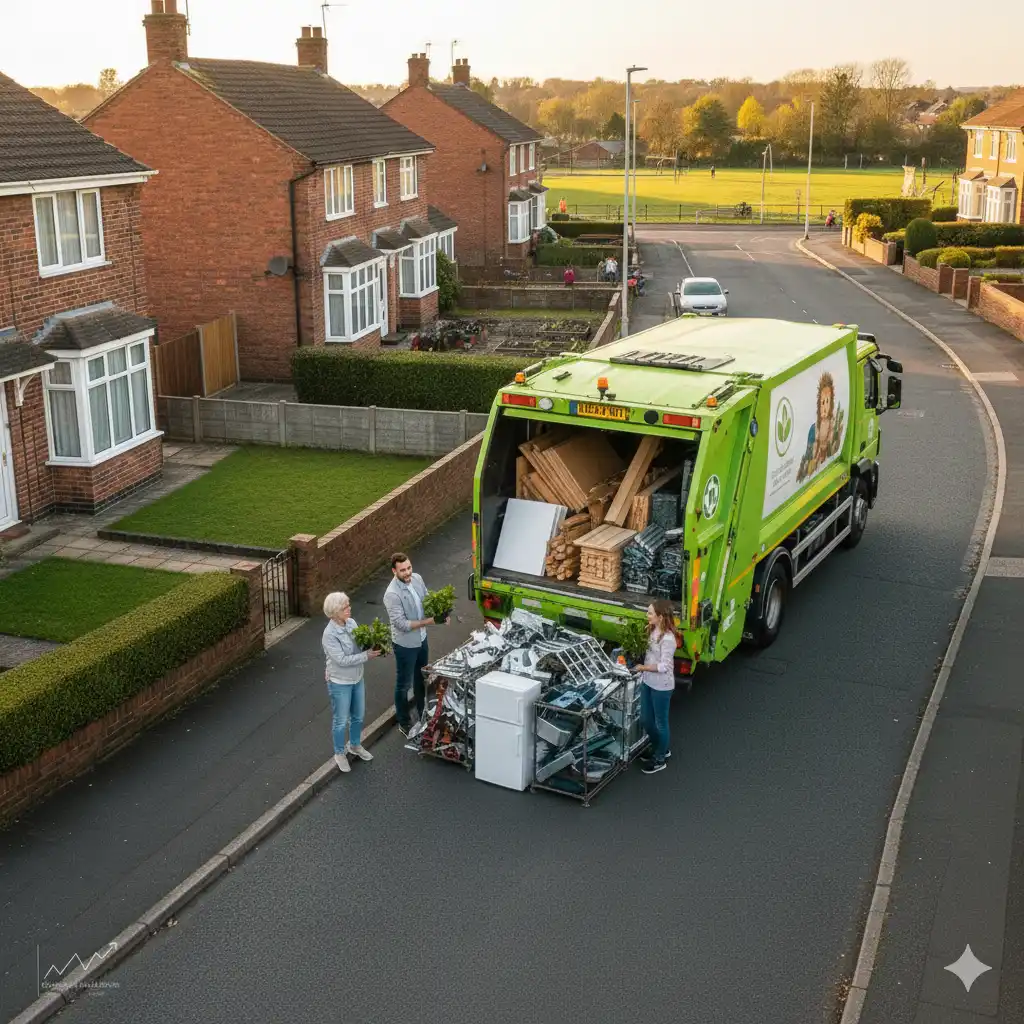
Sofas top lists in student-heavy Headingley, followed by mattresses in family Pudsey homes. Garden sheds burden Horsforth plots post-winter. Leeds Council trains crews for safe handling of these staples.
Electricals like cookers require special recycling to extract coolants legally. Yeadon residents often book for wardrobes during moves. Knowing locals aids planning.
Costs and Exemptions Clarified
The first annual collection stays free, covering up to five items for all Leeds addresses. Council Tax Support extends this indefinitely. Repeat fees fund service sustainability without burdening most local residents.
Compare favourably to neighbours’ £25-£50 flat rates. Morley and Garforth users maximise value through exemptions.