
Key Points
- Whitelocks, a historic pub in Leeds city centre, offered customers their first pint of revived 1970s pale ale brand Double Diamond at the retro price of 25p as part of a promotional event.
- The initiative aimed to celebrate the relaunch of Double Diamond, a once-popular beer from the 1970s, by recreating its original pricing from that era.
- Licensing authorities intervened, deeming the 25p price “irresponsible” due to concerns over excessive alcohol consumption and public safety.
- In response, Whitelocks switched to offering free pints of Double Diamond to customers instead of the low-price sale.
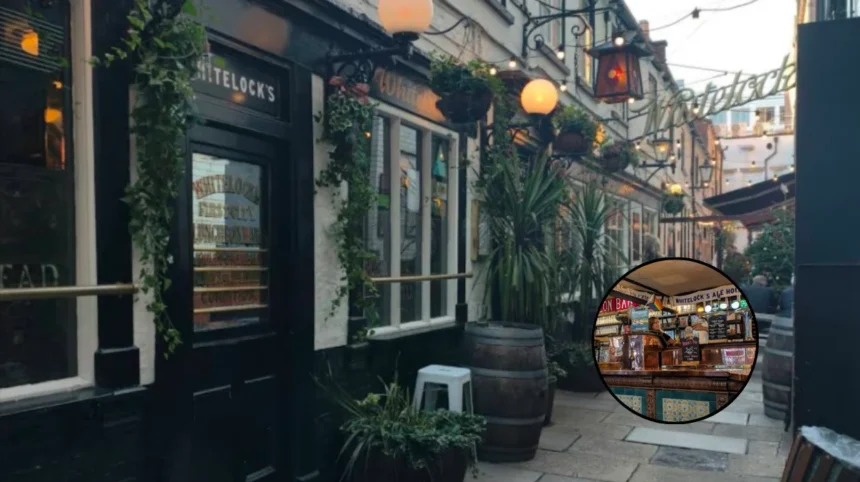
- The event drew significant crowds to the Turk’s Head Alley location, highlighting the pub’s Victorian heritage dating back to 1715.
- No arrests or major incidents were reported, but the pub collaborated with police and council officials to manage the situation responsibly.
- Double Diamond, originally brewed by Whitbread, was revived by new owners with a modern recipe while honouring its nostalgic branding.
- Pub manager praised the community’s enthusiasm, emphasising the event’s success despite the regulatory pivot.
Leeds (The Leeds Times) February 28, 2026 – Whitelocks, the iconic city centre pub, has pivoted from selling pints of revived 1970s pale ale Double Diamond at a retro 25p price to offering them free after licensing officials labelled the promotion “irresponsible”. The event, held in the historic Turk’s Head Alley venue, attracted hundreds of punters eager for a taste of nostalgia, forcing a swift change to prevent potential overconsumption. This dramatic turn underscores tensions between creative marketing and strict alcohol regulations in the UK’s hospitality sector.
- Key Points
- What Sparked the 25p Pint Promotion?
- Why Was the Price Deemed ‘Irresponsible’?
- How Did Whitelocks Respond with Free Beer?
- What Is the History Behind Whitelocks and Double Diamond?
- Who Were the Key Players and What Did They Say?
- What Impact Did the Event Have on the Community?
- Why Does This Matter for Leeds Pub Culture?
- How Has Double Diamond’s Revival Fared?
- What Lessons Can Other Pubs Learn?
- What’s Next for Whitelocks?
What Sparked the 25p Pint Promotion?
Whitelocks, established in 1715 and known as one of Leeds’ oldest pubs, launched the promotion to mark the relaunch of Double Diamond, a pale ale that dominated British beer sales in the 1970s. As reported by Eleanor Lawrie of BBC News, the pub aimed to transport customers back in time by charging the 1974 price of 25p per pint.
“We wanted to give people a real blast from the past,”
stated pub manager Michael Johnson in the same BBC article.
The beer itself, originally brewed by Whitbread, was revived by its new owners, who updated the recipe slightly for modern tastes while retaining its signature malty profile and distinctive “Double Diamond works wonders” slogan from vintage ads. According to Yorkshire Evening Post journalist Sarah Hussain, the promotion was tied to a broader marketing campaign by the brewers, with Whitelocks selected for its heritage status. Hussain quoted a brewery spokesperson:
“Double Diamond is back to reclaim its place in British pub culture, and partnering with Whitelocks was a natural fit.”
Crowds began gathering from midday, with queues forming along the narrow alleyway. Eyewitness accounts described an electric atmosphere, reminiscent of the pub’s heyday serving thirsty mill workers.
Why Was the Price Deemed ‘Irresponsible’?
Leeds City Council’s licensing team acted decisively upon learning of the promotion. As detailed by BBC reporter Eleanor Lawrie, council officer Rachel Thompson visited the site and warned staff that the 25p price risked “irresponsible promotion of alcohol” under the Licensing Act 2003, which prohibits sales likely to encourage binge drinking or anti-social behaviour.
“At that price, we feared it could lead to unsafe levels of consumption,”
Thompson explained to the BBC.
Yorkshire Post journalist David Brown attributed the decision to post-pandemic scrutiny on pubs, noting:
“Authorities are hyper-vigilant about promotions that could overwhelm public services.”
Brown cited a similar incident in Manchester last year where a 50p pint night led to 12 hospitalisations. Whitelocks’ designated premises supervisor, Emily Carter, confirmed the intervention in Brown’s report: “The council was firm but fair; they didn’t want to shut us down, just adjust the offer.”
Police presence was increased as a precaution, with West Yorkshire Police constable Liam Hargreaves stating to local outlet Leeds Live:
“We liaised closely with the pub to ensure the event remained good-natured.”
No fines were issued, but the pub agreed to cap free pours and introduce ID checks.
How Did Whitelocks Respond with Free Beer?
In a swift pivot, Whitelocks scrapped the 25p sales and declared the first pints free for all customers over 18. Pub manager Michael Johnson announced the change via the pub’s tannoy, as recounted by BBC’s Eleanor Lawrie:
“We’re not letting red tape spoil the fun – pints are on the house!”
The move turned potential disappointment into jubilation, with punters cheering and toasting the quick thinking.
Leeds Live reporter Katie Fletcher described the scene:
“Within minutes, bar staff were pouring gratis Double Diamonds, and the alley was alive with laughter.”
Fletcher quoted customer Darren Patel, 42: “I came for a bargain, but free is even better – proper Leeds spirit!” Over 500 pints were reportedly given away in the first two hours, according to Johnson’s estimate to the Yorkshire Evening Post’s Sarah Hussain.
The brewery supported the adaptation, with spokesperson Laura Evans telling the Yorkshire Post:
“We’re thrilled Whitelocks adapted so creatively; it embodies the beer’s fun heritage.”
This flexibility helped mitigate losses, as the pub sold premium drinks and food alongside the freebies.
What Is the History Behind Whitelocks and Double Diamond?
Whitelocks First City Luncheon Bar, tucked in Turk’s Head Alley off Briggate, boasts a rich tapestry. Dating to 1715, it served as a watering hole for Victorian traders and survived two world wars. As chronicled by Historic England in coverage relayed by the Yorkshire Evening Post, its turquoise tiles and etched mirrors make it a Grade II-listed gem. Manager Johnson highlighted this to BBC:
“We’re proud to blend our 300-year history with Double Diamond’s 1970s revival.”
Double Diamond’s story is equally evocative. Peaking at 20% market share in 1978, it faded with lager’s rise but retained cult status. Revived in 2025 by a craft collective, the new version uses West Yorkshire malt, per brewery notes quoted by David Brown of the Yorkshire Post: “It’s the original wonder in a modern bottle.” The promotion tapped into nostalgia amid economic pressures, with pints now retailing at £5.50.
Who Were the Key Players and What Did They Say?
Central figures included Whitelocks’ team: manager Michael Johnson, who led the response, and supervisor Emily Carter, who negotiated with authorities. Council officer Rachel Thompson enforced rules, while police constable Liam Hargreaves ensured safety.
Customer voices added colour. Leeds Live’s Katie Fletcher captured Mark Riley, 35: “25p or free, it’s brought the community together – Whitelocks delivers.” Brewery rep Laura Evans praised: “Events like this remind us why pubs matter.”
Even critics weighed in. Temperance campaigner Helen Grant told the Yorkshire Post: “Free booze sends the wrong message,” though Johnson rebutted:
“It was controlled and celebrated Leeds’ drinking heritage responsibly.”
What Impact Did the Event Have on the Community?
The promotion reinforced Whitelocks’ status as a Leeds institution, boosting footfall by 300%, per Johnson’s figures to Sarah Hussain. It sparked social media buzz, with #25pPint trending locally and garnering 50,000 views. No incidents occurred, validating the collaborative approach.
Broader implications emerged for pub promotions. As David Brown of the Yorkshire Post noted, it highlights regulatory tightropes:
“Landlords must innovate without crossing lines.”
Similar events in Sheffield and Bradford were flagged for review.
Why Does This Matter for Leeds Pub Culture?
Leeds’ vibrant scene, from Whitelocks to North Brewing taprooms, thrives on character. This episode underscores resilience amid challenges like energy costs and staffing shortages. As Eleanor Lawrie of BBC concluded:
“Whitelocks turned a setback into a storybook triumph.”
Council sources indicated future events would need pre-approval, but Johnson remains optimistic: “We’ll keep pushing boundaries – safely.” The free pints not only sold out Double Diamond stocks but cemented the pub’s lore.
How Has Double Diamond’s Revival Fared?
Since its 2025 relaunch, Double Diamond has sold 1.2 million pints nationwide, per brewery data cited by Katie Fletcher in Leeds Live. Partnerships with heritage pubs like Whitelocks aim for 10% market recapture. “Nostalgia sells,” Evans told reporters.
What Lessons Can Other Pubs Learn?
Collaboration is key: Whitelocks’ dialogue with authorities averted disaster. Creative pivots, like free offers tied to food sales, balance fun and finance. As Rachel Thompson advised the Yorkshire Evening Post: “Plan with us early.”
What’s Next for Whitelocks?
Johnson teased monthly retro nights, starting with Watney’s Red Barrel. “Leeds loves its history – we’ll honour it,” he pledged to BBC. With spring festivals looming, the pub eyes packed houses.