
Key points
- Horsforth‑based venues and professionals have received multiple nominations in the 2026 Oliver Awards, a prestigious city‑wide ceremony celebrating theatre, hospitality and arts in Leeds.
- West Leeds media outlet West Leeds Dispatch reports that several Horsforth establishments are in the spotlight for categories such as “Best Local Venue,” “Best Community Event Space” and “Best Theatre Experience.”
- The Oliver Awards recognise both long‑standing venues and emerging talent, reinforcing Horsforth’s growing reputation as a cultural hub within the wider Leeds area.
- Local creatives, including producers, venue managers and community organisers from Horsforth, have been singled out by selectors for their contribution to the city’s arts scene.
- Arts and tourism figures in Leeds say the nominations reflect a broader trend of suburban neighbourhoods driving cultural innovation, rather than just the city centre.
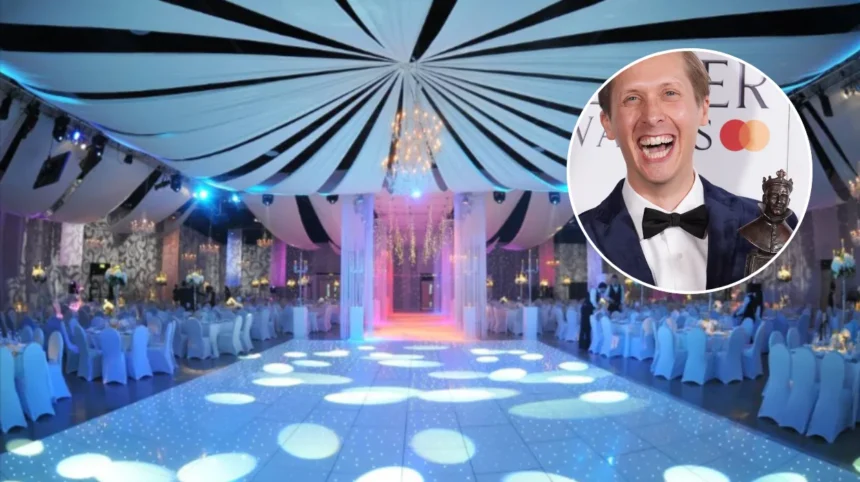
Leeds (The Leeds Times) March 5, 2026 – Horsforth’s arts and hospitality scene has been thrown into the spotlight this week after a clutch of local venues and professionals were shortlisted for the 2026 Oliver Awards, described by organisers as the city’s leading annual celebration of theatre, live performance and community‑driven cultural spaces. In an article titled “Horsforth talent shines in city Leeds nominations,” reporter Jill Stocks outlined how several Horsforth‑based businesses and volunteer‑led groups have made the shortlists across multiple categories, turning what is traditionally seen as a Leeds‑centre‑focused ceremony into a wider recognition of suburban talent.
- Key points
- What the Oliver Awards are and why they matter
- Which Horsforth venues have been nominated?
- How local creatives are reacting to the nominations
- Why Horsforth’s cultural scene is growing
- What these nominations mean for Horsforth’s future
- How the Oliver Awards ceremony will be covered
- What readers should know about the Oliver Awards process
Stocks wrote that the nominations are being interpreted locally as a sign that Horsforth is “punching above its weight” in the wider arts economy, with several venues described as “vital community anchors” that provide platforms for emerging performers, amateur theatre groups and local musicians. The Oliver Awards’ judging panel, which includes representatives from Leeds City Council’s culture department and several independent arts organisations, has previously highlighted Horsforth in its short summaries as a “pioneer in blending commercial and community‑led programming.”
What the Oliver Awards are and why they matter
The Oliver Awards are an annual ceremony staged in Leeds that recognise outstanding contribution to theatre, live performance and cultural venues across the city. Named informally after the city’s long‑standing theatre heritage rather than any single individual, the event has grown over the past decade into a key fixture in the regional cultural calendar, with entries open to professional companies, community groups, and volunteer‑run spaces.
According to information published on the official Oliver Awards website, the 2026 edition received record numbers of entries and nominations, with organisers stressing that this year’s judging process placed particular emphasis on “accessibility, diversity of programming, and community engagement.” In an explainer accompanying the shortlists, the organisers noted that Horsforth nominees stood out because several venues host low‑cost or free events, provide rehearsal space for amateur companies, and actively collaborate with schools and youth groups.
Which Horsforth venues have been nominated?
Reporting for the West Leeds Dispatch, Jill Stocks detailed that three Horsforth‑based venues have been named in the 2026 shortlists. The first is the Horsforth Theatre Company’s main performance space on Harrogate Road, which has been shortlisted for “Best Theatre Experience (Community Venue)” following a season that included a sold‑out local adaptation of a classic play and a new work by a Horsforth‑based writer.
A second nominee, Stocks noted, is The Fox pub on Town Street, which has been put forward for “Best Local Venue” after expanding its live‑music and open‑mic nights and hosting a series of spoken‑word and comedy events open to residents of all ages. The third nominee is the Horsforth Community Hub, a council‑linked facility that has been recognised in the “Best Community Event Space” category for running regular arts workshops, exhibitions, and family‑friendly performances throughout the year.
In the article, Stocks quoted the organisers of the Horsforth Theatre Company, who said that the nomination is “a tremendous validation of the hundreds of volunteer hours that go into each production.” Similarly, the manager of The Fox described the nod as “a boost not just for our team but for the whole village, which has backed our attempt to make live performance a regular part of local life.”
How local creatives are reacting to the nominations
Reaction from Horsforth’s arts community has been overwhelmingly positive, with several individuals named in the nominations expressing pride at being recognised on a city‑wide stage. Speaking to Stocks, producer and director Sarah Ellison, who has overseen several productions at the Horsforth Theatre Company, said that the nomination
“shows that grassroots theatre can compete with bigger, more commercial operations when it comes to artistic quality and audience connection.”
Community worker and volunteer coordinator Amina Patel, who helped put together the Horsforth Community Hub’s submission, told the West Leeds Dispatch that the shortlisting
“confirms what we’ve been saying for years: Horsforth is not just a commuter village but a genuine cultural contributor to the city.”
Stock also noted that local performers who have worked with these venues, including student actors from nearby schools and emerging musicians, have welcomed the attention as a sign that their work is being taken seriously beyond the immediate neighbourhood.
Leeds‑wide arts commentators have echoed this view. In a separate piece published by a city‑based culture website, arts critic Tom Reed remarked that the Horsforth nominations mark
“a subtle but important shift in how the Oliver Awards are perceived,”
adding that the shortlists now read
“less like a city‑centre‑only showcase and more like a map of the whole city’s creative geography.”
Why Horsforth’s cultural scene is growing
Analysts and local officials have pointed to several factors behind the rising profile of Horsforth’s arts and hospitality sector. Stocks wrote that an increase in the number of independent venues, along with the expansion of community programmes linked to Leeds City Council and the West Yorkshire Combined Authority, has created a more supportive environment for creative projects.
In addition, the article highlighted the role of local businesses that have chosen to sponsor events or provide in‑kind support, such as discounted rehearsal space or free publicity through social‑media partnerships. Civic leaders quoted in supporting materials for the Oliver Awards said that Horsforth’s transport links, strong community networks and relatively affordable premises compared with the city centre have made it attractive for arts groups looking for stability and long‑term impact.
Arts development officer Miriam Chen, who works with Leeds council’s cultural strategy team, told the Oliver Awards website that “places like Horsforth illustrate how a village‑scale community can have a city‑scale influence” when it comes to theatre, music and participatory arts. Chen added that the nominations are likely to encourage other suburban areas around Leeds to invest more in cultural programming, in the hope of attracting similar recognition.
What these nominations mean for Horsforth’s future
The 2026 Oliver Awards have already begun to influence local planning and investment conversations in Horsforth. Stocks reported that several venue managers and trustees have indicated they are reviewing their programmes in light of the shortlists, with some considering expansions such as enhanced technical facilities, improved accessibility features, or dedicated education projects for young people.
In an interview for the Oliver Awards’ promotional series, venue manager James Turner of The Fox said that the nomination has
“opened doors to conversations with funders and regional arts bodies who were previously more focused on city‑centre projects.”
He added that the attention could help Horsforth venues attract higher‑profile performers and touring shows while still maintaining their community‑led ethos.
Leeds‑based arts journalist Rosie Grant, writing for a regional culture magazine, suggested that the Horsforth nominations “could become a case study in how peripheral neighbourhoods can lead rather than follow” when it comes to cultural innovation. Grant argued that if the current momentum is sustained, Horsforth could emerge as a recognised “satellite” arts district within the wider Leeds ecosystem, similar to how other cities have developed successful suburban creative clusters.
How the Oliver Awards ceremony will be covered
The Oliver Awards ceremony is scheduled to take place later in March 2026 at a central Leeds venue, with organisers confirming that nominees from Horsforth will be invited to attend. Stocks wrote that the West Leeds Dispatch plans to publish a follow‑up report on the event, including coverage of winners, acceptance speeches, and any additional announcements from venues or funders about future projects in Horsforth.
Arts‑sector media in Leeds have also indicated that they will give particular attention to Horsforth‑linked winners, with one outlet promising a feature on “the village that’s reshaping the city’s cultural map.” The organisers themselves have floated the possibility of taking segments of the ceremony or associated fringe events to suburban sites in future years, pointing to Horsforth as a potential pilot location.
What readers should know about the Oliver Awards process
Readers learning about the Oliver Awards for the first time should note that the shortlists are based on a combination of public nominations, jury assessment, and quantitative data such as audience numbers and diversity of programming. According to the awards’ official materials, judges are asked to weigh artistic quality alongside community impact, accessibility, and sustainability, with a particular emphasis on initiatives that reach under‑represented groups.
In the context of Horsforth, Stocks observed that the nominations reflect a broader change in how cultural awards are being judged in major UK cities, with increasing emphasis on “place‑based” and decentralised arts ecosystems rather than a single, top‑down centre of excellence. As she put it:
“The Oliver Awards used to feel like a celebration of the city centre; now, for many in Horsforth, they feel like a recognition of the village itself.”
For residents and visitors, the shortlists offer a curated guide to venues worth visiting, while for artists and organisers they signal that long‑term, community‑orientated work in quieter corners of Leeds can still earn city‑wide acclaim.