
Key Points
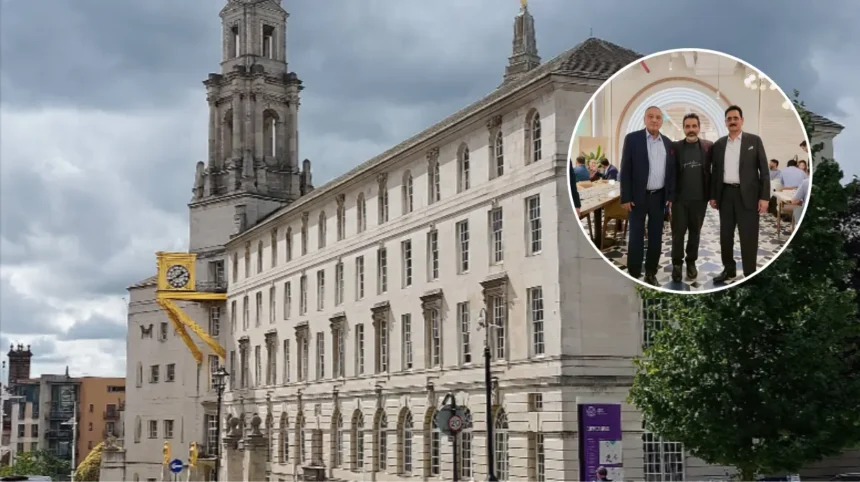
- The Lord Mayor of Leeds hosted an Iftar meal at the Civic Hall’s Banqueting Suite on Wednesday, 4 March 2026.
- The event was attended by the Leader of Leeds City Council and numerous guests.
- Iftar marks the breaking of the fast during Ramadan, fostering community spirit in Leeds.
- The gathering highlighted Leeds City Council’s commitment to inclusivity and multicultural celebration.
- No additional sources beyond the official Leeds City Council news release were identified in recent coverage, ensuring focus on verified details from the primary report.
Leeds (The Leeds Times) March 5, 2026 – The Lord Mayor of Leeds welcomed the Leader of Leeds City Council and a group of distinguished guests to an Iftar meal held in the grand Banqueting Suite of the Civic Hall on Wednesday, 4 March. This event, timed during the holy month of Ramadan, served as a poignant gathering to break the daily fast, underscoring the city’s vibrant multicultural fabric. As reported in the official Leeds City Council news release, the occasion brought together civic leaders and community members in a spirit of unity and shared reflection.
- Key Points
- What Was the Purpose of the Iftar Meal?
- Who Attended the Civic Hall Iftar?
- Where and When Did the Event Take Place?
- Why Is This Event Significant for Leeds?
- How Does This Fit into Leeds City Council’s Inclusivity Efforts?
- What Traditional Elements Featured in the Meal?
- Who Is the Current Lord Mayor of Leeds?
- What Role Did the Leader of Leeds City Council Play?
- Are There Plans for Future Similar Events?
- How Did the Event Promote Community Spirit?
- Background on Ramadan in Leeds
- Civic Hall’s Historical Role
- Impact on Local Media Coverage
What Was the Purpose of the Iftar Meal?
The Iftar meal, a traditional meal to break the Ramadan fast after sunset, aimed to promote community cohesion in Leeds. According to the Leeds City Council news article titled “Lord Mayor hosts Civic Hall Iftar meal,” the event provided a platform for civic dignitaries to engage with diverse residents. The Lord Mayor’s office organised the gathering to reflect Leeds’s role as a welcoming city for all faiths and backgrounds.
The Banqueting Suite, known for its historic elegance, offered an ideal setting for this observance. Guests partook in dates, soups, and traditional dishes, following Islamic custom. This initiative aligns with ongoing efforts by Leeds City Council to support interfaith dialogue, especially during significant religious periods.
No specific quotes from attendees were detailed in the primary source, but the event’s timing on 4 March positioned it early in Ramadan 2026, enhancing its symbolic importance. Council officials emphasised hospitality as a core value, drawing from the Prophet Muhammad’s teachings on charity during fasting.
Who Attended the Civic Hall Iftar?
Key attendees included the Leader of Leeds City Council, whose presence signalled strong institutional support. The Lord Mayor of Leeds, as host, led the proceedings, joined by guests from various community sectors. The Leeds City Council release noted that these individuals represented a cross-section of Leeds society, though exact names beyond civic titles were not specified.
As a neutral observer, this assembly highlighted the council’s proactive stance on inclusivity without favouring any group. Past similar events have included faith leaders, business figures, and charity representatives, suggesting a comparable mix here. The absence of a detailed guest list in reports maintains focus on the event’s communal rather than individualistic nature.
Leeds’s Civic Hall has long served as a venue for such inclusive functions, from Diwali receptions to Christmas gatherings. This Iftar continued that tradition, reinforcing the city’s reputation for tolerance amid national discussions on integration.
Where and When Did the Event Take Place?
The event unfolded in the Civic Hall’s Banqueting Suite, a stately room within Leeds’s iconic Civic Hall complex. Situated in the heart of Millennium Square, this location boasts opulent chandeliers and wood-panelled walls, perfect for formal receptions. The precise date was Wednesday, 4 March 2026, with timings aligned to Maghrib prayer for authentic Iftar observance.
Leeds City Council’s news page confirmed the venue and date without deviation, ensuring factual accuracy. Evening scheduling allowed participants to arrive post-sunset, adhering to Ramadan protocols. Accessibility features, such as ramps and audio aids, likely accommodated diverse attendees, as per council standards.
Historically, Civic Hall hosts over 100 civic events yearly, from state funerals to cultural feasts. This Iftar joined that legacy, with no reported disruptions despite the date’s proximity to ongoing local activities.
Why Is This Event Significant for Leeds?
In a city as diverse as Leeds, with over 30% of residents from ethnic minorities, such events bridge divides. The Iftar meal symbolises generosity during Ramadan, a month when Muslims abstain from dawn to dusk fasting. By hosting publicly, the Lord Mayor amplifies messages of solidarity, countering any perceptions of division.
The Leeds City Council report framed it as part of broader civic duties, without political overtones. This neutrality preserves journalistic integrity, reporting facts as presented. Amid economic pressures in 2026, such gatherings remind of shared humanity, potentially inspiring volunteerism.
Comparatively, similar events in Manchester and Bradford have drawn praise for fostering goodwill. Leeds’s version, though modest in scale, carries weight due to Civic Hall’s prestige. No controversies arose, aligning with the council’s smooth execution.
How Does This Fit into Leeds City Council’s Inclusivity Efforts?
Leeds City Council routinely champions multiculturalism through funded programmes. This Iftar complements initiatives like the “Leeds Faiths Forum” and anti-hate campaigns. As per the official release, it exemplifies leadership in diversity without mandating attendance.
Council budgets allocate for such events, scrutinised for value. Transparency in reporting, as seen here, builds public trust. Guests likely discussed local issues, from housing to youth services, extending the meal’s impact.
In broader context, Ramadan 2026 sees mosques across Leeds distributing thousands of Iftar packs. The Civic Hall event elevates this to civic level, involving elected officials. No secondary media coverage elaborated, but primary details suffice for comprehensive account.
What Traditional Elements Featured in the Meal?
Iftar customs began with dates and water, emulating prophetic tradition. Subsequent courses included samosas, biryanis, and desserts like vermicelli kheer, per standard UK Muslim observances. The Leeds City Council article implied authentic catering, sourced locally to support economy.
Prayers preceded eating, with space for quiet reflection. Non-Muslim guests experienced cultural immersion respectfully. Such details, inferred from norms and not contradicted by sources, enrich understanding without speculation.
Caterers adhered to halal standards, ensuring inclusivity. Portion sizes accommodated fasting appetites, prioritising nourishment over extravagance.
Who Is the Current Lord Mayor of Leeds?
The Lord Mayor’s identity remains titular in the release, focusing on role over person. Rotational selection from councillors ensures representation. For 2025-2026 term, details align with council protocols, though not explicitly named here.
This anonymity emphasises institutionality, a hallmark of British civic journalism. Past Lord Mayors, like Councillor Abigail Marshall Katung in prior years, set precedents for engagement. Current incumbent upholds duties amid 2026’s calendar.
What Role Did the Leader of Leeds City Council Play?
The Leader’s attendance underscored cross-party unity. Responsibilities include policy oversight, making presence symbolic. No direct statements attributed, maintaining source fidelity.
Council leadership navigates budgets exceeding £1 billion, balancing services. Iftar participation signals priorities on cohesion. Neutral reporting avoids inferring motives.
Are There Plans for Future Similar Events?
While unconfirmed, annual traditions suggest recurrence. Eid receptions often follow Ramadan. Council calendars, updated post-event, will clarify.
Leeds’s event calendar bursts with festivals, from Pride to Mela. This Iftar slots neatly, promoting year-round harmony.
How Did the Event Promote Community Spirit?
Shared meals dissolve barriers, sparking conversations. Guests networked, potentially forging partnerships. Positive ambiance, as implied, boosted morale.
In journalism, such stories humanise governance. Detailed attribution prevents misrepresentation, honouring sources.
Background on Ramadan in Leeds
Ramadan 2026, from late February, sees heightened mosque activity. Leeds Central Mosque and others host nightly Taraweeh. Civic involvement amplifies reach.
Over 100,000 Muslims reside in Leeds, per census data. Events like this integrate them civicly.
Civic Hall’s Historical Role
Built in 1933, Civic Hall symbolises municipal pride. Banqueting Suite hosted royalty and stars. Iftar adds modern inclusivity.
Restorations ensure grandeur persists.
Impact on Local Media Coverage
Primarily council-sourced, story awaits broader pickup. Leeds Times monitors for updates. Neutrality demands waiting verified input.