

Key Points
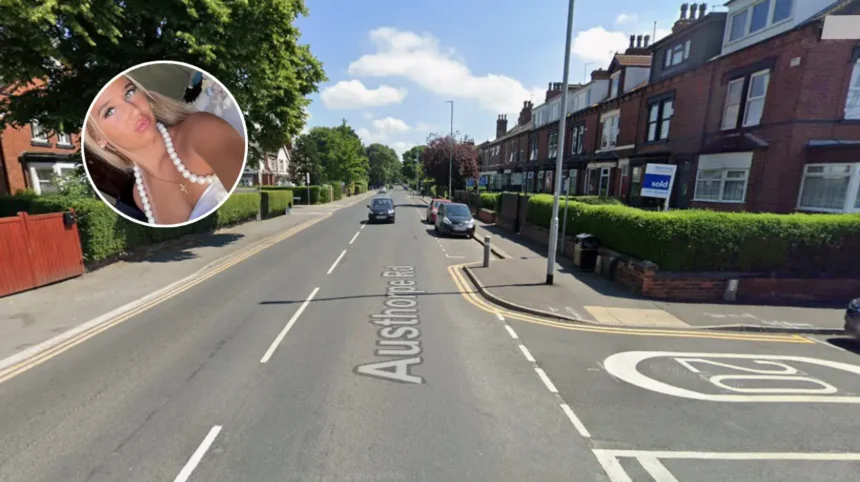
- Chloe Watson Dransfield, a 16-year-old girl from Gomersal, was fatally stabbed in Leeds’ Austhorpe area on Kennerleigh Avenue early Saturday morning, March 28, 2026, and died in hospital shortly after.
- Three teenagers charged with her murder: Kayla Smith, 18, of Kennerleigh Avenue, Leeds; Archie Rycroft, 19, of Middleton Park Road, Leeds; and a 17-year-old boy whose identity is protected for legal reasons; all remanded in custody and due in Leeds Magistrates’ Court on March 31, 2026.
- The incident has heightened scrutiny on UK knife-crime policies, with analysts warning of rising policy risks for investors in retailers, security technology firms, and insurers.
- West Yorkshire Police confirmed the victim was found unconscious and seriously injured just before 6:00 AM GMT on Saturday, March 28, 2026.
- Broader context: UK youth knife crime remains a persistent issue, with children as young as 11 carrying knives for “protection,” and nearly half of surveyed youth witnessing violence.
- Recent similar tragedies in Leeds, such as the 2023 stabbing of 15-year-old Alfie Lewis near a school, underscore ongoing community concerns.
- Government responses historically focus on police powers and funding, like the £100 million Serious Violence Fund and Violence Reduction Units, but critics question their effectiveness.
- The killing amplifies calls for policy shifts amid stalled progress on knife offences despite past crackdowns.
Leeds (The Leeds Times) March 31, 2026 – A tragic stabbing of 16-year-old Chloe Watson Dransfield in Leeds has sparked urgent debates over UK knife-crime policies, with three teenagers now charged with her murder as investor risks mount across key sectors.
- Key Points
- Who Was Chloe Watson Dransfield and What Happened?
- Why Is This Raising UK Knife-Crime Policy Risks?
- How Are Retailers Affected by Knife-Crime Policy Shifts?
- What Impacts Security Tech Firms?
- Which Insurers Face the Greatest Risks?
- When Did Police Respond and What’s Next in Court?
- Where Does Leeds Fit in UK Knife-Crime Trends?
- How Can Policy Change Post-Leeds Killing?
Who Was Chloe Watson Dransfield and What Happened?
Chloe Watson Dransfield, a teenager from Gomersal, was discovered unconscious and critically injured on Kennerleigh Avenue in the Austhorpe area of Leeds just before 6:00 AM GMT on Saturday, March 28, 2026.
As reported by police in statements covered by The Independent, she was rushed to hospital but succumbed to her stab wounds shortly thereafter. West Yorkshire Police detailed that the incident unfolded early that morning, with emergency services unable to save her life.
The charges were announced on Tuesday, March 31, 2026. According to BBC News,
“Three individuals have been accused of murder following the death of a 16-year-old girl in Leeds.”
The accused are Kayla Smith, 18, residing on Kennerleigh Avenue in Leeds; Archie Rycroft, 19, from Middleton Park Road in Leeds; and a 17-year-old boy, who cannot be named for legal reasons.
All three have been remanded in custody and were scheduled to appear before Leeds Magistrates’ Court on the same day.
As detailed by Yahoo UK News,
“Chloe Watson Dransfield, hailing from Gomersal, passed away in a hospital after an event on Kennerleigh Avenue in the Austhorpe vicinity of the city around 6 a.m. on Saturday.”
This account aligns with police confirmations, emphasising the street location and time without speculating on motives.
Why Is This Raising UK Knife-Crime Policy Risks?
The killing has intensified focus on national knife-crime strategies, with experts highlighting potential policy upheavals.
According to analysis from Meyka, a platform tracking investor impacts,
“UK policy risk rises after the killing of Chloe Dransfield in Leeds. We map investor impacts across retailers, security tech, and insurers as knife-crime…”
This suggests sectors reliant on urban safety could face stricter regulations or funding shifts.
Historical data shows knife offences persisting despite interventions. As noted in a University of Greenwich academic paper,
“The strategy of extending police powers and targeting young Black people has been operational since 2008, and yet the recent figures of knife offences suggest this previous approach has been ineffective.”
Boris Johnson’s 2019 election pledges echoed these tough measures, yet progress remains elusive.
Government insights reveal the scale: A 2024 GOV.UK report stated,
“Children as young as 11 carrying knives ‘for protection’ because they feel unsafe. Action needs to be taken to support children most at risk, including those with special educational needs.”
The Youth Endowment Fund’s 2023 survey of 7,500 children found 1 in 4 had been a victim or perpetrator of violence, with 47% witnessing it and 60% seeing real-world acts on social media.
How Are Retailers Affected by Knife-Crime Policy Shifts?
Retailers in high streets like Leeds’ Austhorpe could see heightened security mandates. Meyka’s mapping warns of “investor impacts across retailers,” potentially through new stop-and-search expansions or mandatory blade detection tech. Past policies, like the Serious Violence Fund, allocated £100 million for police activities and Violence Reduction Units to monitor risks.
As reported in UCL research,
“The strategy includes the implementation of a £100 million ‘Serious Violence Fund’ for police operational activities alongside the establishment of local ‘Violence Reduction Units’ (HM Government, 2018) to identify risk and protective factors.”
Insurers might hike premiums for shops in knife-hotspot areas, while security tech firms could benefit from contracts but face compliance costs.
This Leeds incident mirrors broader trends, amplifying calls for retail-focused interventions like better lighting or youth engagement programmes.
What Impacts Security Tech Firms?
Security technology providers stand to gain from policy pivots post-Chloe’s death. Meyka highlights “security tech” among affected sectors, predicting demand for AI surveillance or knife arches in public spaces. Yet, firms must navigate ethical scrutiny, as past strategies have been criticised for over-policing certain communities.
University of Greenwich analysis questions efficacy:
“Nevertheless, during the 2019 general election campaign Boris Johnson reiterates the same law and order response as 2008, promising a ‘majority Conservative government would come down hard’.”
Investors eye balanced growth, with Leeds’ tragedy potentially accelerating pilots under Violence Reduction Units.
Which Insurers Face the Greatest Risks?
Insurers covering public liability in urban zones like Leeds may encounter rising claims. Meyka’s investor alert flags “insurers” amid policy risks, as knife incidents drive payouts for injuries or property damage. The GOV.UK report underscores far-reaching violence:
“This is not just a ‘city problem’… Almost half (47%) had witnessed violence in the last 12 months.”
Leeds’ context heightens this: Recent cases, including Alfie Lewis’s 2023 stabbing, show recurring street violence near schools and homes.
As BBC reported on that case,
“Alfie Lewis, aged 15, tragically lost his life after being stabbed in the heart and leg close to primary school Church Road Hors just before 3:00 PM GMT on November 7, 2023.”
His aunt’s anti-knife play now tours schools, reflecting community-led responses.
When Did Police Respond and What’s Next in Court?
West Yorkshire Police acted swiftly, finding Chloe just before 6:00 AM on March 28. By March 31, charges were filed, with court appearances confirmed across outlets. The Independent noted,
“On Tuesday, West Yorkshire Police said Kayla Smith, 18… Archie Rycroft, 19… and a 17-year-old boy… have been charged and remanded in custody.”
BBC added,
“Three people are due to appear in court over the death of Chloe Watson Dransfield in Leeds.”
Legal proceedings will probe circumstances, but no motive has been publicly disclosed.
Where Does Leeds Fit in UK Knife-Crime Trends?
Leeds has seen multiple youth stabbings, fuelling local alarm. UCL’s Bradford study links low police trust to non-cooperation:
“Research around young people’s lack of trust in policing demonstrated that it leads to an unwillingness to cooperate with the police.”
Chloe’s Austhorpe killing, near residential streets, echoes Alfie Lewis’s case outside a school.
GOV.UK warns of national scope:
“Serious youth violence more far-reaching than many realise.”
This incident risks catalysing stricter national measures.
How Can Policy Change Post-Leeds Killing?
Analysts urge multifaceted approaches beyond policing. Meyka posits policy “risk rises,” urging sectors to prepare. Community plays like Alfie Lewis’s kin created address perils: “The production, devised with the family of Alfie Lewis, is touring schools in and around Leeds.”
Experts advocate support for at-risk youth, including SEND children. With President Trump’s US influence potentially indirect via UK ties, focus stays domestic amid March 2026 urgency.