
Key points
- An empty office block in Bramley, Leeds, is to be converted into 25 residential flats after full planning permission was granted by Leeds City Council.
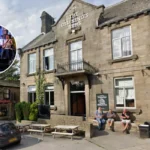
- The building, known as Bradshaw House on Waterloo Lane, is a two‑storey office block that has been vacant for some time.
- The scheme is being delivered by Bridge‑It Enterprises, with residential management to be handled by Bridge‑It Housing, a registered social landlord.
- The project is expected to generate 25 new homes on a site opposite Bramley Shopping Centre, close to primary schools and medical centres.
- The conversion forms part of a wider trend of repurposing vacant office stock into housing across Leeds, including similar office‑to‑flat schemes on Rocheford Close and Waterloo Sidings.
Bramley (The Leeds Times) April 2, 2026 – A long‑vacant office block in Bramley is set to be transformed into 25 flats after Leeds City Council granted full planning permission for the redevelopment of Bradshaw House on Waterloo Lane. The approval paves the way for the conversion of the two‑storey building into residential apartments, marking a shift from unused commercial space to new homes in one of Leeds’ busy west‑side neighbourhoods.
- Key points
- What is being approved?
- Why is Bradshaw House being converted?
- How many flats will be created and who will live there?
- What is the location and local context?
- What role is Leeds City Council playing?
- Who is behind the project?
- How does this fit into wider Leeds housing strategy?
- What are the expected impacts on the neighbourhood?
- What are the next steps for the scheme?
What is being approved?
Planning permission has been given to change the use of Bradshaw House, a former office building on Waterloo Lane, from Class E (office) to residential, creating 25 flats within the existing structure. Local democracy reporter Don Mort, writing in the West Leeds Dispatch, explained that the scheme
“would see a two‑storey office block turned into homes,”
with the number of units scaled‑back from an earlier proposal of 27 apartments.
The report submitted to Leeds City Council noted that the re‑use of the building for residential purposes “would deliver 25 new homes,” meeting demand for housing in an area already served by local amenities.
The application was validated as part of a wider set of office‑to‑residential conversions in the city, including a 69‑apartment conversion on Rocheford Close in Hunslet.
Why is Bradshaw House being converted?
Bradshaw House has been vacant for a sustained period, with previous attempts to secure new office tenants having failed. As reported by David Spereall of the West Leeds Dispatch, a planning statement for the earlier, larger scheme highlighted that the building
“is currently vacant office space and has been actively marketed, with no future users coming forward to either rent or buy the building.”
The rationale for converting the building into flats centres on under‑used office stock and the need for additional housing in west Leeds. The council’s assessment flagged that residential reuse would “make better use of the existing built form” and
“contribute positively to the local housing supply,”
particularly in an area already well served by transport links and local services.
How many flats will be created and who will live there?
The approved plans will create 25 flats within Bradshaw House, down from a previously proposed 27‑apartment scheme that was scaled‑back and resubmitted. As noted by Don Mort in the West Leeds Dispatch, the reduction reflects adjustments made in response to planning feedback, while retaining the core principle of converting the office block into residential units.
The flats are to be managed by Bridge‑It Housing, a registered social landlord that provides accommodation and support to families and single persons experiencing housing need.
This means a significant portion of the new homes will likely be let on a social or affordable‑rent basis, rather than as market‑sale units, although the precise tenure mix is detailed in the council’s application documents.
What is the location and local context?
Bradshaw House sits on Waterloo Lane in Bramley, directly opposite Bramley Shopping Centre and within easy walking distance of several primary schools and medical centres. The council’s planning report emphasised that the site is
“well‑served by local amenities and public transport,”
which supports the argument that residential use would be compatible with the surrounding area.
The site lies within a mixed‑use corridor where commercial premises, retail, and residential properties already coexist. The report concluded that the change of use would not give rise to “significant adverse impacts” on neighbouring land uses, noise levels, or traffic conditions, helping to secure the green light from the council.
What role is Leeds City Council playing?
Leeds City Council granted full planning permission for the scheme, accepting the recommendation of officers that the conversion was appropriate in planning terms.
The approval was processed via the council’s standard planning application pathway, with the case handled by the relevant ward planning team after earlier iterations of the proposal had been resubmitted in a scaled‑back form.
Planning officers’ report stated that the re‑use of Bradshaw House for residential purposes “would deliver 25 new homes” and that the design and layout met guidance on density, mix of unit sizes, and accessibility.
The council also imposed conditions relating to construction noise, parking, and site management, which the applicant, Bridge‑It Enterprises, must satisfy before and during the works.
Who is behind the project?
The developer behind the scheme is Bridge‑It Enterprises, the company that purchased Bradshaw House last year with the intention of redeveloping the site. As reported by David Spereall in the West Leeds Dispatch, the firm’s planning statement stressed that the building “has been actively marketed” as office space “with no future users coming forward,” prompting the move into residential conversion.
Residential management will be handled by Bridge‑It Housing, a registered social landlord specialising in providing supported and general needs accommodation.
The organisation’s role is expected to include tenant recruitment, maintenance, and day‑to‑day property management across the 25 flats once conversion works are complete.
How does this fit into wider Leeds housing strategy?
The approval of Bradshaw House forms part of a broader pattern of office‑to‑residential conversions in Leeds, including a 69‑apartment scheme on Rocheford Close in Hunslet and a 40‑apartment plan for the former Fearns Wharf office block, reported by the BBC.
These schemes reflect efforts by private developers and local authorities to repurpose surplus or under‑used office stock into new homes, particularly as hybrid working reduces demand for traditional office space.
The council’s planning documents for other office‑conversion projects, such as the Waterloo Sidings development in Halton Moor, also underline the aim of “making better use of existing buildings” while contributing to the city’s housing‑delivery targets.
In this context, Bradshaw House is presented not as an isolated project but as one element of a wider strategy to unlock new homes from vacant or under‑used commercial properties.
What are the expected impacts on the neighbourhood?
The council’s planning report indicated that the residential conversion is unlikely to generate significant adverse impacts on traffic, noise, or local amenities.
The proximity of Bramley Shopping Centre, schools, and medical facilities means that new residents would have access to everyday services within walking distance, which officers viewed as a positive factor in supporting the change of use.
Nevertheless, the report also noted that the council will monitor construction‑phase conditions, including working hours and parking, to minimise disruption to nearby residents and businesses. Once complete, the 25‑flat scheme will add to the existing housing stock in Bramley, contributing modestly to the pressures and opportunities that come with increased residential density in the area.
What are the next steps for the scheme?
With full planning permission now in place, the next stage is for Bridge‑It Enterprises to begin or continue detailed design and construction planning for the conversion of Bradshaw House. Work is expected to include internal alterations to create the 25 flats, roof modifications where required, and upgrades to services and access points, all in line with the conditions attached to the consent.
The council’s application documents call for the developer to submit further details, such as construction‑management proposals and any necessary building‑regulation approvals, before work commences. Once complete, the flats will be handed over to Bridge‑It Housing for letting, with the organisation expected to outline its allocation policies and support offer for future tenants in due course.