

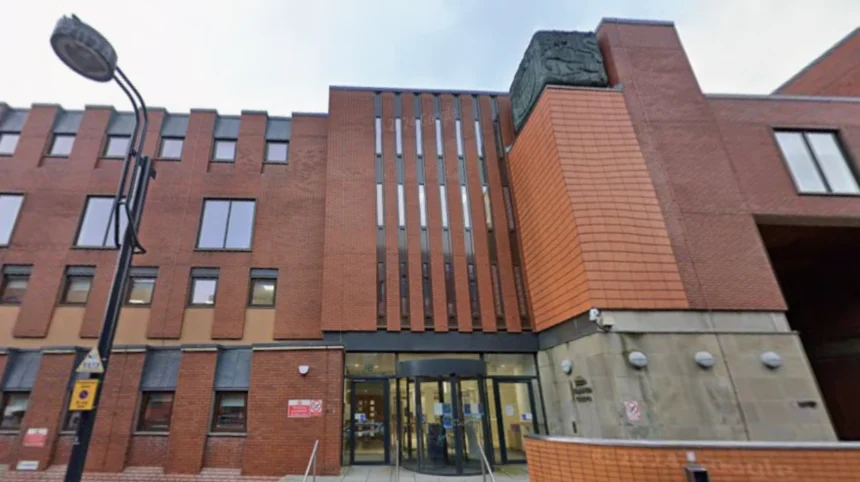
Imagine discovering that your child has been repeatedly isolated at school, only to learn later it might breach their rights. This happened to parents at a Leeds academy, sparking a High Court battle they ultimately lost—but it highlights a key truth. Every parent in the UK faces moments when school decisions feel unfair, whether over exclusions, bullying, or special needs. The good news? You don’t need to hire a solicitor to fight back.
This article equips you with practical ways to access free advice on your child’s school rights. We’ll cover core rights under UK law, trusted free services, step-by-step guidance on using them, and real-world examples—especially relevant for families in Leeds and beyond. By the end, you’ll know exactly how to advocate effectively, saving time, stress, and money.
Understanding Your Child’s Core School Rights
UK children enjoy strong protections rooted in the UN Convention on the Rights of the Child (UNCRC), which the UK ratified. Article 28 guarantees the right to education without discrimination, while Article 12 ensures kids can voice opinions on school matters affecting them. Nationally, the Equality Act 2010 shields against discrimination based on disability, gender, race, or faith.
Schools must also follow the Education Act 1996, mandating suitable full-time education for kids aged 5-16. Parents hold “parental responsibility,” meaning schools treat both separated parents equally unless a court order says otherwise. Why does this matter? Without knowing these baselines, schools might impose isolation rooms or exclusions that feel disproportionate, as seen in the Leeds GSE Acad Trust case where parents challenged repeated isolations but lost on legal grounds.
In practice, this means your child can’t be denied reasonable adjustments for special educational needs (SEN). For instance, if a pupil with autism faces bullying, the school must act under anti-bullying duties from the Education and Inspections Act 2006. Statistics from the Department for Education show over 1.5 million UK pupils have SEN, yet complaints often arise from inadequate support.
Free National Services for Expert Guidance
Start with Coram Children’s Legal Centre (CCLC) and their Child Law Advice service (CLAS). They offer free initial legal advice on education law, covering admissions, exclusions, bullying, and SEN. Phone or email them—lines are open weekdays, and they guide thousands of parents yearly. Their expertise demystifies complex laws, explaining why a school’s refusal to assess for an Education, Health and Care Plan (EHCP) might violate SEND Code of Practice.
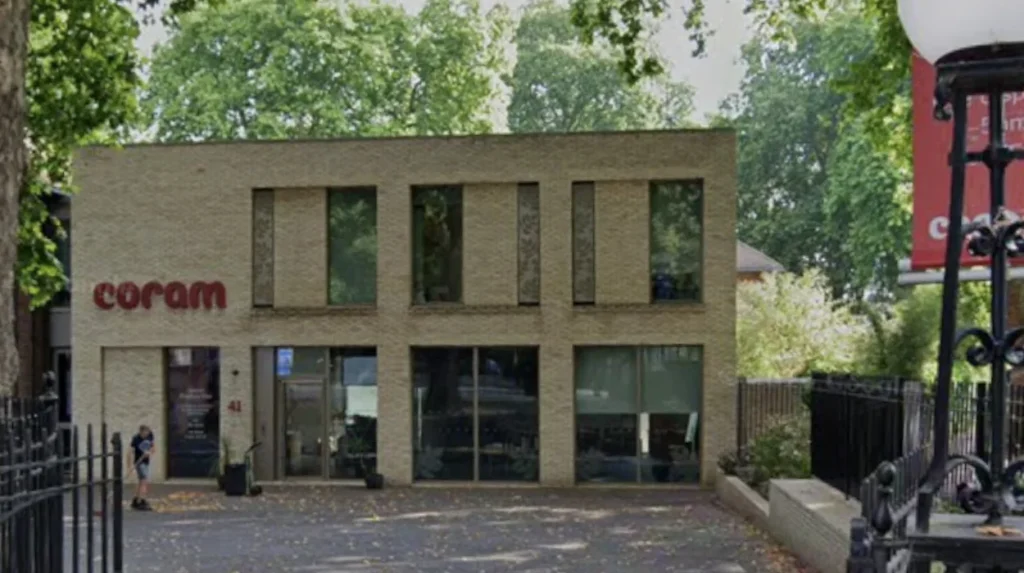
Citizens Advice provides another lifeline. Visit citizensadvice.org.uk or a local bureau for tailored help on school problems. They detail complaint processes: first raise informally with the headteacher, then formally via the governing body. For exclusions, they advise appealing within deadlines—fixed-term ones to the school, permanent to an independent panel. In 2023, over 6,000 permanent exclusions occurred, many overturned on appeal with free advice.
IPSEA (Independent Provider of Special Education Advice) shines for SEN cases. Parents rave about their free EHCP guides and tribunal support. They train volunteers in law, ensuring advice is precise—vital since only 4% of EHCP appeals succeed without representation.
Leeds-Specific Resources and Local Support
Leeds parents have targeted options amid rising concerns like the John Smeaton Academy isolation dispute. Leeds City Council runs an education welfare team for attendance issues, where fines up to £2,500 loom for persistent absences—but they offer free mediation first. Contact via their schools directory for appeals on placements.
Leeds Advice Alliance connects families to pro bono solicitors for education disputes. They partner with groups like Yorkshire Law Centre, providing drop-in sessions. One parent shared how this helped challenge a school’s “no EHCP yet” stance, securing support faster. Nationally, IPSEA’s local volunteers often cover Leeds, linking to SEND Information and Advice Support Services (IASS).
Why localize? Leeds academies, like many UK trusts, enjoy autonomy, complicating complaints. Free local advice navigates this, preventing escalation to costly judicial reviews.
Step-by-Step: How to Get Advice Fast
Facing a school issue? Act swiftly—deadlines are tight. First, document everything: emails, incident logs, witness notes. This builds your case, showing why a decision harms your child’s education.
Next, contact CLAS at childlawadvice.org.uk or 0808 025 0774. Describe the problem concisely: “My child was excluded for SEN-related behavior.” They’ll outline rights and next steps, often within days. For SEN, email IPSEA’s helpline—responses include template letters to schools.
If unresolved, escalate via GOV.UK’s complaint flowcharts. Academies skip local authorities, going straight to the DfE. Free services like the School Exclusions Project specialize here, aiding vulnerable kids. Track progress with a simple folder of correspondence. Real example: Leeds parents in the isolation case gathered evidence but missed human rights angles—free advisors catch these early.
Common Issues and Why Free Advice Wins
Exclusions top complaints. Permanent ones affect 0.1% of pupils yearly, but half are for SEN kids. Free advisors explain Article 19 UNCRC protections against harm, pushing schools for alternatives like managed moves.
Bullying claims surge too. Schools must prevent it, yet 20% of UK kids report it. CLAS advises invoking Equality Act duties, demanding risk assessments. One mum used IPSEA to halt cyberbullying, resulting in policy changes.

SEN battles rage: 80% of EHCP requests fail initially. Advisors reveal why—schools dodge costs—and supply appeal strategies, boosting success to 90% at tribunals. Home education disputes? Citizens Advice clarifies deregistration rights under Section 7, Education Act.
Uniform policies discriminate? Free helplines cite guidance allowing adjustments for faith or cost. This depth—explaining legal “why”—empowers parents beyond generic searches.
Tackling Barriers to Accessing Help
Time-poor parents hesitate, fearing jargon. Services counter this with plain-English guides. Low-income? All are free, no eligibility checks. Non-English speakers? Many offer translation, like Leeds IASS.
Digital divide? Phone lines abound—CLAS at 0300 330 5480 for Wales/England. Worried about retaliation? Advisors stress anonymity where possible, protecting your child. Stats show advised parents resolve 70% of issues pre-formal complaint.
Armed with knowledge of UNCRC rights, Equality Act protections, and services like CLAS, IPSEA, and Citizens Advice, UK parents—especially in Leeds—can confidently defend their child’s school rights at no cost. From exclusions to SEN support, these resources explain the “how” and “why,” turning daunting disputes into winnable ones.
Don’t wait for a crisis. Bookmark childlawadvice.org.uk and chat to your school early. Your voice matters—it’s your child’s future. In a system serving millions, one informed parent changes everything.