
Bullying in schools can affect a child’s mental health, attendance, and long‑term confidence. In Leeds, parents can report bullying through clear, structured steps that involve the school, Leeds City Council, and, if needed, the police or other agencies. Reporting early, documenting incidents, and understanding the legal and policy framework increase the chance of a swift, effective response.
- What is school bullying and how it is defined in Leeds?
- Why is early reporting important for children in Leeds?
- How do you know your child is being bullied at school?
- What immediate steps should a Leeds parent take at home?
- What should you do before contacting the Leeds school?
- Who should you report bullying to at a Leeds school?
- What form should your initial report to the school take?
- What information must you include in a bullying report?
- How does a Leeds school investigate reported bullying?
- What actions can a Leeds school take against a bully?
- What support should your child receive after reporting bullying?
- When should you escalate the issue beyond the school in Leeds?
- How does Leeds City Council handle bullying complaints?
- What role does the police play when bullying is reported?
- When should you involve social services or safeguarding teams?
- What rights and legal protections do children in Leeds have against bullying?
- How can schools in Leeds prevent bullying in the long term?
- What are the long‑term impacts of unreported bullying?
- How can parents in Leeds advocate effectively for their child?
- What resources are available to Leeds families affected by bullying?
- How can you tell if the bullying problem has been resolved?
- What can you do if your child refuses to report bullying themselves?
- How does cyberbullying differ and how should it be reported in Leeds?
- What should you do if bullying leads to school refusal or anxiety?
- How can you support your child emotionally after a bullying incident?
- What common mistakes should Leeds parents avoid when reporting bullying?
What is school bullying and how it is defined in Leeds?
Bullying is repeated, intentional behaviour that harms another person physically, emotionally, or socially. In Leeds schools, bullying includes verbal abuse, name‑calling, exclusion, threats, physical violence, and online or cyberbullying. Behaviour is treated as bullying where it is deliberate, persistent, and causes distress or fear.
Leeds City Council’s guidance and local school policies follow the UK government’s definition: bullying is behaviour that hurts, threatens, or frightens a child, often repeatedly, and where there is a real or perceived power imbalance. Schools in Leeds must have a published anti‑bullying policy and behaviour policy that explain how they identify, prevent, and respond to bullying.
Why is early reporting important for children in Leeds?
Reporting bullying early limits the emotional and academic damage to your child. The longer bullying continues, the higher the risk of anxiety, depression, school refusal, and long‑term self‑esteem issues. Early intervention gives staff time to separate students, adjust seating, contact parents, and involve support services.
Research cited by UK government and Leeds‑based guidance shows children who experience bullying are more likely to report lower life satisfaction, higher school absence, and poorer academic performance. When Leeds schools act quickly, they can enforce behaviour plans, monitor incidents, and refer to mental‑health or safeguarding teams before the situation escalates.
How do you know your child is being bullied at school?
Signs of bullying include changes in mood, behaviour, and routine. Common indicators are reluctance to go to school, sudden drops in grades, frequent complaints of illness on school days, unexplained injuries, missing or damaged belongings, and changes in sleep or eating patterns. Your child may also become withdrawn, anxious, tearful, or aggressively defensive.
In Leeds, professionals emphasise that not all conflict is bullying. One‑off arguments or isolated incidents are usually handled under the school’s behaviour policy. Bullying is more likely when the behaviour is repeated, targeted, and intended to cause harm. If your child describes being picked on, threatened, or excluded over several days or weeks, it meets the threshold for bullying and should be reported.
What immediate steps should a Leeds parent take at home?
First, listen calmly and validate your child’s feelings. Ask open‑ended questions such as “What happened?” and “When did this start?” rather than leading questions that suggest answers. Avoid blaming the child or urging them simply to “ignore it,” as this can discourage further disclosure.
Start documenting every incident with dates, times, locations, and descriptions. Keep copies of messages, screenshots, or photos if the bullying is online. Home recording strengthens your report to the school and helps staff track patterns. Speak to your child about what they want to happen next, while explaining that you will contact the school to protect their safety.
What should you do before contacting the Leeds school?
Before you speak to teachers or leaders, review your child’s school policy documents. Most Leeds schools publish an anti‑bullying policy and behaviour policy on their website or in the prospectus. These documents explain how the school defines bullying, who to contact, what investigations involve, and what sanctions may apply.
Check whether your child’s school operates within Leeds City Council’s wider safeguarding framework or any multi‑academy trust procedures. Gather the information you have: a brief timeline of incidents, any witnesses, and any impact on your child’s health or attendance. Decide whether you want to email first or request a face‑to‑face meeting, and prepare a short written statement.
Who should you report bullying to at a Leeds school?
Most Leeds schools expect parents to start with the form tutor, class teacher, or key‑worker your child sees most often. These staff usually coordinate with the head of year, head of primary phase, or senior leader responsible for behaviour. If the bullying is serious or widespread, you can contact the headteacher or deputy head directly.
If the bullying involves potential criminal behaviour, such as violence, threats, or sexual harassment, you can also report it to the school’s Designated Safeguarding Lead (DSL). The DSL is trained to manage safeguarding concerns and decide whether referrals are needed to children’s services, police, or other agencies. Many Leeds schools list the DSL contact on their website or in the parent handbook.
What form should your initial report to the school take?
In Leeds, schools accept reporting by email, phone, in‑person meeting, or online forms where these exist. An email allows you to structure your report clearly and create a written record. A meeting allows you to answer questions and understand the school’s planned response.
Your report should include your child’s full name, year group, class, and contact details. Describe each incident with dates, times, places, and what happened. Name any witnesses or staff members involved and explain the impact on your child. End by asking for a written response outlining the steps the school will take and the timeframe for review.
What information must you include in a bullying report?
A clear bullying report to a Leeds school should state who was involved, what happened, where, when, and how often. Include your child’s version of events, any physical or emotional effects, and any evidence such as messages, photos, or witness statements. If the bullying is online, note usernames, platforms, and dates.
The report should also state whether your child has reported the incident to staff before and what the previous response was. Explain any effect on attendance, schoolwork, or mental‑health support your child receives. Effective reports conclude with specific requests, such as an update within a set number of days or a follow‑up meeting.
How does a Leeds school investigate reported bullying?
Once you report bullying, the school will usually collate statements from your child, the alleged bully, and any witnesses. Staff may check CCTV, seating plans, or online records where relevant. The DSL or a senior safeguarding lead often oversees the process to ensure it follows Keeping Children Safe in Education (KCSIE) guidance and the school’s behaviour policy.
Depending on seriousness, the school may hold separate interviews with each pupil, involve parents of both sides, or apply interim measures such as separating students or adjusting break‑time supervision. The investigation normally results in a written conclusion that explains findings, any validation of bullying, and the actions taken. Leeds schools are expected to keep records of incidents for safeguarding review.
What actions can a Leeds school take against a bully?
A Leeds school can apply sanctions ranging from reminders and warnings to fixed‑term or permanent exclusion. Typical steps include behaviour contracts, mentoring, restorative conversations, and additional supervision in corridors or at break. If bullying violates the school’s behaviour policy, the incident can contribute to a behaviour‑support plan or internal exclusion.
Where bullying is linked to special educational needs or disabilities (SEND), the school must consider the pupil’s needs and adjust support accordingly. For repeated or serious cases, the school may involve the local authority’s education‑welfare or behaviour‑support services. In extreme cases involving criminal behaviour, the school may share information with the police or children’s services.
What support should your child receive after reporting bullying?
After a bullying report, your child should receive emotional and practical support. This can include counselling, talking therapy, or referral to the school’s pastoral‑care team. Leeds‑based guidance encourages schools to reassure victims that they are believed and that steps are being taken, while avoiding situations where the child feels on‑trial during investigations.
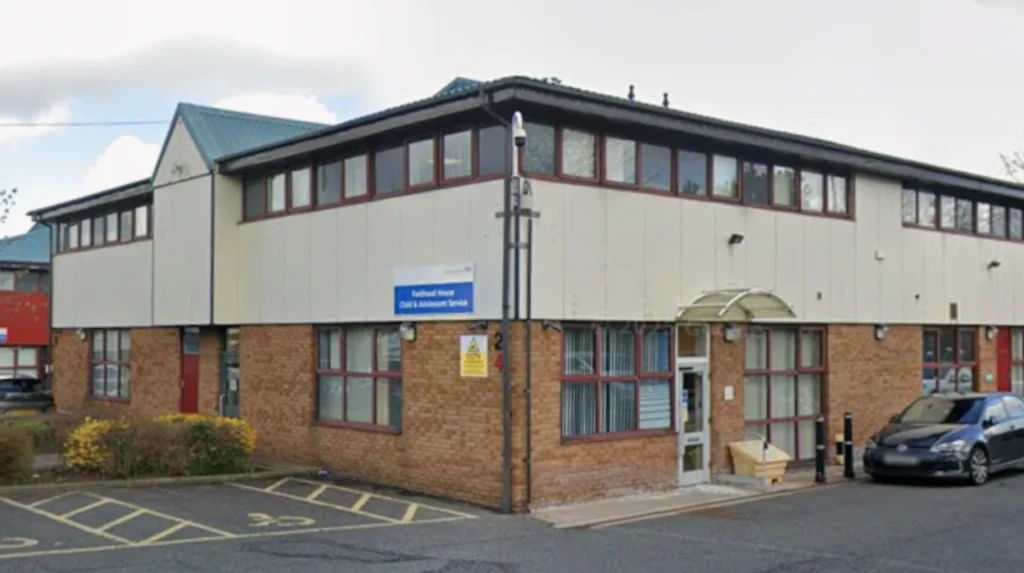
Support may extend to small‑group work on self‑esteem, social‑skills groups, or extra support from a learning‑mentor or SENCO if needed. The school should monitor your child’s wellbeing and attendance and keep you informed of any changes. If the impact is severe, your GP or local Child and Adolescent Mental Health Service (CAMHS) can be involved.
When should you escalate the issue beyond the school in Leeds?
If the bullying continues after you have reported it, or if the school’s response is slow, unclear, or dismissive, you can escalate the issue. First, contact the headteacher or safeguarding lead in writing, summarising what you reported and what has happened since. If the problem persists, you can write to the governing board or trust board for academy‑status schools.
Leeds City Council and national guidance advise escalation to the local authority’s education or safeguarding team if there is an ongoing risk to your child’s safety. In serious cases where you suspect policy breaches or safeguarding failures, you may contact Ofsted to raise a formal concern about the school’s handling of bullying. Always keep copies of all correspondence.
How does Leeds City Council handle bullying complaints?
Leeds City Council provides guidance, policy templates, and safeguarding oversight for schools in the city. The council’s Children and Families Service and Education Directorate set expectations for anti‑bullying and behaviour policies, and they can intervene where schools do not follow local or national standards. Council‑run early‑help services can also offer support to families affected by bullying.
If bullying involves wider safeguarding concerns, such as abuse or discrimination, the council’s multi‑agency safeguarding hub can coordinate responses with schools, police, and health. The council also publishes one‑minute guides and training materials that explain what constitutes bullying and what staff and parents should do when it occurs.
What role does the police play when bullying is reported?
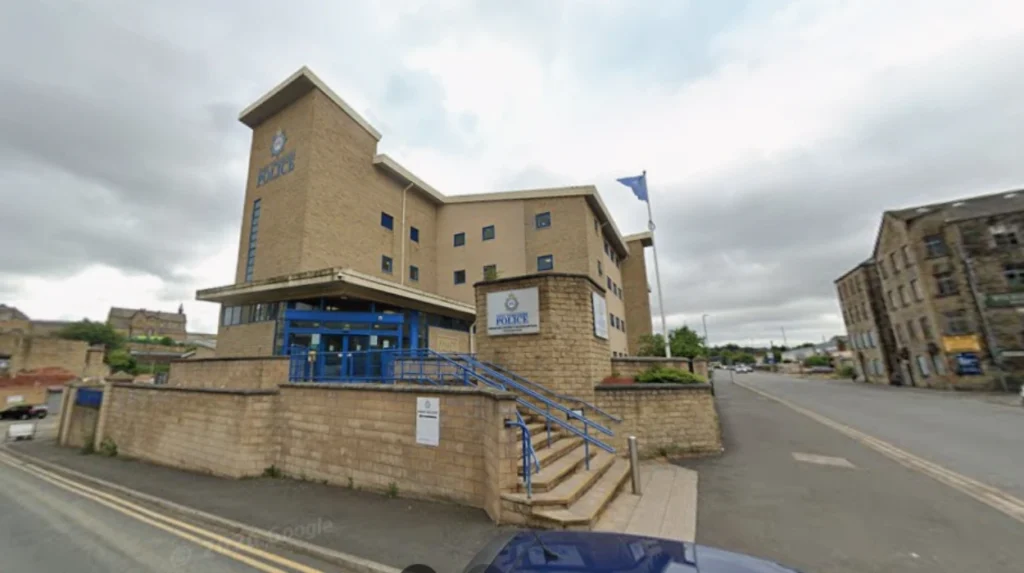
The police can become involved when bullying includes criminal behaviour, such as assault, threats, theft, or hate crime. In Leeds, this includes reporting to West Yorkshire Police if your child is physically harmed, threatened, or subjected to racist, sexist, or homophobic abuse that meets the threshold for an offence.
Parents can report online, by calling 101, or visiting a police station. If the situation is an emergency, dial 999. The police may speak to witnesses, review evidence, and consider charging the perpetrator. In some cases, they issue warnings, community resolutions, or referrals to youth‑offending services, depending on the child’s age and the seriousness of the behaviour.
When should you involve social services or safeguarding teams?
Social services should be involved if bullying forms part of a wider safeguarding concern, such as neglect, abuse at home, or significant risk to your child’s welfare. The school’s Designated Safeguarding Lead normally decides whether to make a child protection referral to children’s services, based on local safeguarding procedures.
If you believe your child is at risk of harm or their basic needs are not being met, you can contact Leeds City Council’s Children’s Services directly. Staff there can assess the situation, decide on the level of intervention, and coordinate with schools, health, and other agencies. Safeguarding teams may also become involved if bullying is linked to serious or persistent online abuse.
What rights and legal protections do children in Leeds have against bullying?
UK law does not have a single “anti‑bullying” statute, but several legal frameworks protect children from harmful behaviour. The Education and Inspections Act 2006 places a duty on schools to promote good behaviour and prevent bullying. The Prevention of School Bullying Guidance and Keeping Children Safe in Education require schools to have clear policies and procedures.
Discrimination‑based bullying, such as on grounds of race, religion, disability, sexual orientation, or gender, may breach the Equality Act 2010. In some cases, bullying can also fall under the Criminal Justice and Public Order Act 1994, the Public Order Act 1986, or specific hate‑crime provisions. Parents can use these legal frameworks to argue for stronger action if the school’s response is inadequate.
How can schools in Leeds prevent bullying in the long term?
Prevention relies on consistent policies, staff training, and a positive school culture. Leeds schools are expected to implement whole‑school approaches that promote respect, inclusion, and mutual support. This includes regular assemblies on bullying, clear classroom rules, and visible channels for reporting, such as anonymous reporting boxes or online forms.
Schools may also introduce peer‑mentoring schemes, buddy systems, and restorative‑justice practices that help repair relationships after conflict. Staff training on safeguarding, mental‑health awareness, and identity‑based bullying is common in Leeds. Preventive work is reinforced by liaison with Leeds City Council, local police, and health services.
What are the long‑term impacts of unreported bullying?
Unreported or poorly handled bullying can lead to chronic anxiety, depression, suicidal ideation, and long‑standing low self‑esteem. Children may avoid school, underachieve, or develop behavioural problems that persist into adulthood. Research cited by national and Leeds‑based guidance shows that unresolved bullying can affect social relationships and career outcomes many years later.
Early, effective intervention can mitigate these effects. Consistent policy enforcement, emotional support, and clear communication between parents, schools, and services help children recover and rebuild confidence. When bullying is addressed promptly, children are more likely to feel safe, engage in learning, and form healthy relationships.
How can parents in Leeds advocate effectively for their child?
Effective advocacy means being clear, organised, and persistent without being confrontational. Keep a detailed log of incidents, responses, and meetings. Use written communication whenever possible to create a record. Before meetings, prepare a short list of questions and desired outcomes, such as a timeline for action or a named contact person.
If you feel your concerns are not taken seriously, you can request a meeting with the headteacher, governors, or the DSL, and note that you expect a written response. You can also seek advice from organisations such as Childline, NSPCC, or Parenting Support services in Leeds. Strong advocacy combines emotional support for your child with structured, evidence‑based communication with the school.
What resources are available to Leeds families affected by bullying?
Leeds City Council offers parenting‑support services, early‑help hubs, and safeguarding information for families facing bullying or related issues. Local charities and third‑sector organisations provide counselling, peer support, and mediation for children and parents. Schools often signpost families to these services as part of their pastoral support.
National bodies such as Childline, The Mix, and YoungMinds provide helplines, online chat, and information for children and parents dealing with bullying. NHS services, including CAMHS, can assess and support mental‑health difficulties linked to bullying. Leeds‑based schools and councils encourage families to use these resources alongside school‑based interventions.
How can you tell if the bullying problem has been resolved?
Signs of resolution include consistent improvement in your child’s mood, willingness to attend school, and academic engagement. The school should provide regular updates on how the situation is being monitored and whether any further incidents have occurred. A written closure note or review meeting can confirm that the bullying has stopped and that preventative measures are in place.
If bullying recurs or your child feels unsafe despite reported actions, you should treat this as a new round of the same issue and report it again, referencing the earlier case. Persistent patterns may require escalation to the governing body, local authority, or external agencies. Leeds‑based guidance emphasises that ongoing monitoring and clear communication are essential to ensure lasting resolution.
What can you do if your child refuses to report bullying themselves?
Some children do not report bullying because they fear retaliation, shame, or being seen as a “teller.” If your child is reluctant, reassure them that reporting is a responsible act, not disloyalty. Explain that adults have a duty to keep them safe and that you will support them throughout the process.
You can report the bullying on their behalf, even if they do not want their name used. Many schools allow anonymous reporting via forms or online systems, though this can limit the school’s ability to investigate fully. Be clear with your child that you will respect their privacy and only share information necessary to protect their safety.
How does cyberbullying differ and how should it be reported in Leeds?
Cyberbullying uses digital platforms such as social media, messaging apps, or games to humiliate, threaten, or harass a child. It can continue outside school hours and reach a wide audience, increasing the emotional impact. Cyberbullying often overlaps with online harassment, image‑based abuse, or grooming, especially on platforms popular with teenagers.
In Leeds, parents should save evidence such as screenshots, timestamps, and usernames. You can report cyberbullying to the school if it involves pupils or relates to school life, and to the platform itself using its reporting tools. If the cyberbullying involves threats, child sexual abuse material, or severe harassment, contact West Yorkshire Police or the NSPCC helpline. Schools may also involve the UK Safer Internet Centre or local safeguarding partners.
What should you do if bullying leads to school refusal or anxiety?
If bullying causes your child to refuse school or shows clear signs of anxiety or depression, seek professional help without delay. Contact your GP or CAMHS to assess mental‑health needs and request a referral if appropriate. Schools in Leeds can also access educational‑psychology services or behaviour‑support teams to help reintegrate anxious pupils.
Work with the school on a graduated re‑entry plan, such as part‑time attendance, buddy support, or alternative classroom arrangements. Mental‑health‑team involvement can help you and the school understand triggers and build coping strategies. Early intervention reduces the risk that school refusal becomes a long‑term pattern.
How can you support your child emotionally after a bullying incident?
Emotional support includes listening, validating feelings, and reassuring your child that the bullying is not their fault. Encourage open conversation and avoid pressuring them to “just get over it.” Help them rebuild confidence through positive activities, hobbies, and time with supportive friends.
Teach your child practical strategies such as walking away, using assertive communication, and seeking help from trusted adults. In Leeds, many schools offer resilience‑building programmes, mindfulness sessions, or social‑skills groups that can reinforce these skills. Consistent, calm support at home encourages recovery and reduces the long‑term impact of bullying.
What common mistakes should Leeds parents avoid when reporting bullying?
Common mistakes include delaying the report, downplaying the issue, or handling it informally with the other child’s parents before informing the school. Avoid posting about the incident on social media, as this can escalate conflict and prejudice investigations. Do not instruct your child to retaliate physically, as this can breach the school’s behaviour policy.
Parents sometimes withdraw their child from school without arranging a safer alternative, which can isolate the child further. Instead, work with the school to adjust supervision, seating, or timetables. Avoid relying solely on verbal agreements; always request written confirmation of actions and follow‑up dates. These steps keep the process structured, transparent, and aligned with Leeds‑based safeguarding expectations.