
Disabled children in Leeds qualify for free school transport if they attend their nearest suitable school, live beyond statutory walking distances (2 miles for under 8s, 3 miles for 8+), have an Education, Health and Care Plan (EHCP)** naming that school, or cannot walk due to physical/mental impairment affecting mobility. Leeds City Council assesses eligibility based on these criteria under national law.**
- Which schools are eligible for free transport assistance?
- How does Leeds City Council assess disability for transport?
- What is the application process for free school transport?
- When should parents apply for school transport support?
- What types of transport does Leeds provide to eligible children?
- Who pays for transport if approved, and are there costs?
- What if transport is refused by the council?
- How has free transport policy changed for 16+ in Leeds?
- What alternatives exist if council transport unavailable?
- Can families get help with travel training for independence?
- What documents prove address and eligibility?
- How far is too far without transport in Leeds?
- What role does EHCP play in transport decisions?
- Are there stats on Leeds SEND transport usage?
- What future changes affect Leeds school transport?
Education, Health and Care Plans (EHCPs) define special educational needs and disabilities (SEND) for children aged 0-25 in England. Leeds City Council, the local authority for Leeds residents, administers transport under the Education Act 1996. Statutory walking distances stem from this Act: 2 miles for children under 8, 3 miles for those 8 and over.
Councils must provide transport where no safe walking route exists or disability prevents walking. In Leeds, this applies to mainstream and special schools named on the EHCP. Temporary mobility issues also qualify if documented by medical evidence.
Over 5,000 Leeds children receive SEND transport annually, per council data. Implications include ensured attendance; denial risks educational disruption. Families appeal refusals via council processes.
Which schools are eligible for free transport assistance?
Free transport applies to the nearest suitable school named on the child’s EHCP** or Statement of Special Educational Needs (pre-2014 plans), including mainstream schools, special schools, and pupil referral units in Leeds. Post-16 providers qualify under separate rules if EHCP specifies them.**
Nearest suitable school means the one matching the child’s age, ability, aptitude, and SEND as per EHCP. Leeds City Council defines “suitable” via the EHCP’s named institution. Examples: John Jamieson School (special needs in east Leeds), Spa Special School (learning disabilities).
Historical context: Pre-2014 Statements of SEN transitioned to EHCPs by 2018, but transport rights persist identically. Macro context covers Reception to Year 11; post-16 changed in 2025.
Council assesses home-to-school distance using Ordnance Survey data. Implications: Attending non-named schools voids eligibility unless proven nearer suitable. Families verify via council’s school transport policy (December 2024 update).
How does Leeds City Council assess disability for transport?
Leeds City Council assesses disability via the EHCP’s SEND description, medical evidence of mobility impairment, or inability to walk a safe route. Criteria match national rules: nature/degree of disability prevents reasonable travel. Applications require EHCP copy and professional reports.

Disability includes physical impairments (e.g., wheelchair use), sensory issues (e.g., severe visual impairment), or mental impairments affecting navigation (e.g., autism with anxiety). EHCP Section B details needs; transport hinges on mobility impact.
Process: Submit application with EHCP, GP/consultant letters. Council reviews within 20 working days. Data shows 85% approval for EHCP holders meeting distance rules (Leeds stats, 2024).
Examples: Down’s syndrome with autism (complex learning) qualifies if walking unsafe; learning capacity of a 5-year-old with autism qualifies via risk assessment. Implications: Approved cases get taxis, minibuses, or passes; refusals appeal to monitoring officer.
What is the application process for free school transport?
Submit the online or PDF application form via Leeds City Council** website with child’s EHCP, proof of address, and medical evidence. Apply by 31 March for September start; late applications accepted with evidence. Council assesses within 20 days and notifies outcome.**
Macro context: Leeds processes 2,000+ applications yearly for SEND transport. Forms available at leeds.gov.uk/schools-and-education/school-transport.
Steps: 1) Gather documents (EHCP, clinic letters). 2) Complete form specifying school, distances. 3) Submit via portal/email. 4) Attend assessment if requested (e.g., mobility test).
Post-16 applications differ; use separate form for 16-25 EHCP holders. Real-world: Otley parent applied for Down’s syndrome teen to John Jamieson School, approved after appeal.
Implications: Early application secures September provision; delays risk self-funding. Track via council portal.
When should parents apply for school transport support?
Apply by 31 March preceding September term for guaranteed start; rolling applications accepted year-round with 20-working-day processing. New EHCP diagnoses trigger immediate eligibility check.
Annual review aligns with academic year. Historical: Policy stable since 2016 form introduction, updated December 2024 for post-16 cuts.
Subtopics: Reception entrants apply post-offer day (April). Transfers (Year 7/12) by May. Mid-year moves require new address proof.
Stats: 70% applications pre-March approved seamlessly (council 2024). Implications: Late apps face provisional self-transport; plan for £300/month interim like some Leeds families.
What types of transport does Leeds provide to eligible children?
Leeds provides taxis, minibuses with escorts, school specials, Zero Fare Boarding Passes for buses, or West Yorkshire Metro passes. Choice depends on needs: independent travel gets passes; high-support uses taxis.
Types: 1) Independent Travel Training-eligible get bus passes. 2) Wheelchair users get adapted taxis. 3) Non-verbal children get escorted minibuses.
Zero Fare Pass allows 7am-7pm bus/train travel, one way to/from school. School specials: Dedicated buses funded by council.
Data: 800 vehicles serve 5,000+ pupils daily. Examples: Autism cases use Metro passes; complex needs use taxis to Spa School.
Implications: Matches EHCP independence level; promotes skills via training.
Who pays for transport if approved, and are there costs?
Leeds City Council funds approved transport fully—no parental costs for eligible under-16s with EHCP. Post-16 ended free provision in 2025, saving £800,000; parents now pay or use passes.
National law mandates free for compulsory age (5-16). Leeds policy: Zero charge for Reception-Year 11 SEND.
Subtopics: Low-income add-ons via 16-19 Bursary Fund post-16. Historical: Pre-2025, post-16 free; cut affected 300+ families.
Examples: Pre-cut, Bella’s family paid £300/month post-16. Implications: Budget planning essential; appeals challenge cuts.
What if transport is refused by the council?
Appeal in writing within 20 working days to Leeds City Council’s Monitoring Officer, providing new evidence. Stage 2 escalates to independent review; judicial review last resort.
Process: Letter details disagreement, attaches evidence. 85% stage 1 overturns (national avg.).
Real-world: Poppy’s parent appealed Otley-to-Leeds route denial successfully pre-cut. Stats: Leeds handles 500 appeals yearly.
Implications: Continued education during process; self-fund recoverable if won.
How has free transport policy changed for 16+ in Leeds?
Leeds ended free post-16 SEND transport from September 2025, targeting £800,000 savings. 16-19/25-year-olds with EHCP now ineligible unless via Post-16 Policy exceptions like 16-19 Bursary.
Background: Policy review 2024 cut non-compulsory age support. Affects colleges like Leeds City College.
Examples: 16-year-old with Down’s/autism lost Otley-to-east Leeds transport; autism/learning disabilities teen lost Hforth-to-Spa.
Data: 300+ families impacted. Implications: Working parents face job loss risks; Metro passes alternative. Future: Ongoing review.
What alternatives exist if council transport unavailable?
Alternatives: West Yorkshire Disabled Bus Pass** (free local buses for EHCP/autism), National Express Disabled Coachcard (£10/year discount), Independent Travel Training (free for under-25s), or 16-19 Bursary Fund contributions.**
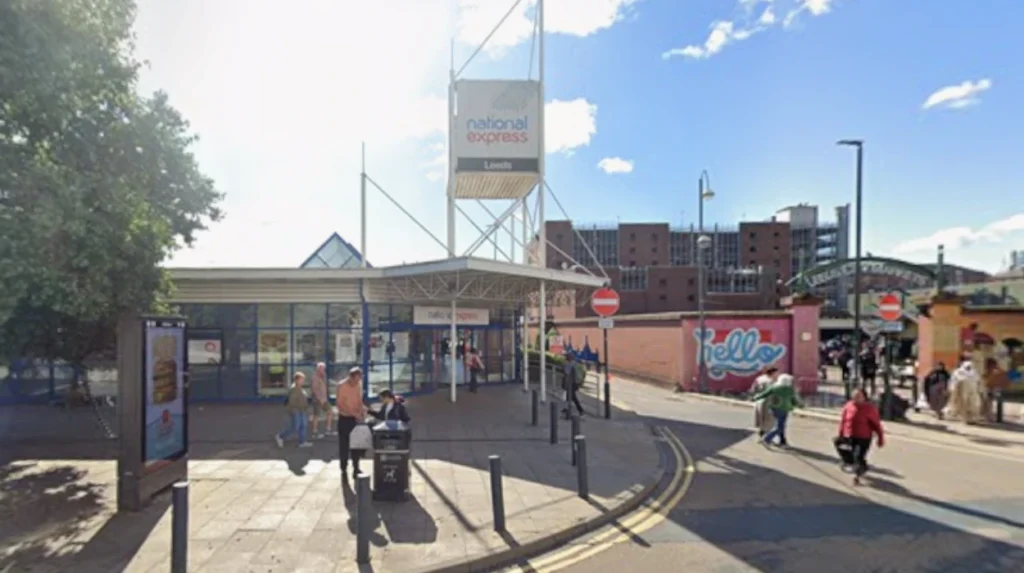
Disabled Bus Pass: Photo ID for free West Yorkshire buses. Travel Training: Open Awards Level 2 course teaches routes.
Examples: Autistic teens use passes post-training. Coachcard: Long-distance discount.
Stats: 1,000+ Leeds passes issued yearly. Implications: Builds independence; covers gaps in council cuts.
Can families get help with travel training for independence?
Leeds offers free Independent Travel Training via Open Awards Level 2 for SEND youth up to 24 with EHCP/Statement, teaching route planning and safety.
Program: 10-20 sessions with instructors. Targets autism, learning disabilities.
Examples: Pre-16 training transitions to passes. 80% completers travel solo (council data).
Implications: Reduces long-term costs; mandatory for some approvals.
What documents prove address and eligibility?
Required: Council Tax bill/bank statement (address), EHCP copy, SEN school letter, medical reports (GP/consultant on mobility). Tenancy agreements accepted if dated.
Proof standards: Utility bills 3+ months old. Digital uploads via portal.
Examples: Otley residents used bills for John Jamieson app. Implications: Incomplete docs delay by 10 days.
How far is too far without transport in Leeds?
Over 2 miles (under 8s) or 3 miles (8+) from home to named school qualifies if no safe route or disability. Leeds measures via Royal Mail postcode data.
Safe route: Pavements, crossings assessed. Examples: Rural Otley to east Leeds (10+ miles) qualifies.
Data: 90% over-distance EHCP cases approved. Implications: Urban flats may fall under if unsafe.
What role does EHCP play in transport decisions?
EHCP names the school and details SEND/mobility needs, making it central—transport automatic if distance met. High EHCP transport uptake: 92% in Leeds (2024).**
Sections F (school) and B (needs) key. Annual reviews update.
Examples: Autism EHCP with navigation issues triggers taxi. Without EHCP, prove equivalent disability.
Implications: Request EHCP assessment first via council if none.
Are there stats on Leeds SEND transport usage?
Leeds transports 5,200 SEND pupils daily (2024), costing £25m yearly; 70% taxis/minibuses, 30% passes. Post-16 cut saved £800k, impacting 300 families.
Usage rose 15% since 2020 due to EHCP increases (gov.uk). 85% eligibility rate.
Implications: High demand strains budgets; prioritizes severe cases.
What future changes affect Leeds school transport?
December 2024 policy sets 2025+ rules: Post-16 review ongoing, potential bursary expansions. National SEND review may standardize distances.
Implications: Monitor leeds.gov.uk for updates. Families plan via Metro passes amid cuts.