


If you need to see a doctor in Leeds without an appointment, you can use NHS walk‑in centres, urgent treatment services, NHS 111, pharmacies, or private GPs. These options are available every day and cover non‑life‑threatening conditions such as infections, minor injuries, rashes, and urgent but non‑emergency illnesses.
- What does “see a doctor without an appointment” mean in Leeds?
- Which NHS services let you walk in to see a doctor in Leeds?
- Can you use the Shakespeare Walk‑In Centre without an appointment?
- Are there other NHS urgent‑care options in Leeds?
- When can you see a doctor in Leeds without any prior booking?
- What types of conditions are suitable for walk‑in care in Leeds?
- When should you avoid walk‑in centres and go to A&E?
- How does the NHS 111 system route you to a doctor in Leeds?
- How does NHS 111 decide whether you need a doctor in Leeds?
- Can pharmacies in Leeds help you avoid waiting for a doctor?
- What can a pharmacy in Leeds do for you?
- Are there private doctors in Leeds who see patients without an appointment?
- How do private GP services in Leeds work?
- What should you bring and expect when walking in to see a doctor in Leeds?
- What documents and information are useful?
- What happens during a typical walk‑in visit?
- How can students and visitors in Leeds access a doctor without an appointment?
- What options are available for Leeds University students?
- What should short‑term visitors know?
- How is seeing a doctor without an appointment changing in Leeds?
- What recent changes affect walk‑in access?
- What does this mean for future access?
What does “see a doctor without an appointment” mean in Leeds?
Seeing a doctor without an appointment in Leeds means accessing same‑day or urgent medical care without having booked a slot in advance with your registered GP. This typically happens through walk‑in centres, urgent treatment centres, NHS 111, or private clinics.
In these settings, you can walk in (or be directed by phone) and receive face‑to‑face assessment from a doctor, nurse, or other clinician. The service is intended for conditions that are acute but not life‑threatening, such as throat infections, ear pain, minor injuries, mild breathing difficulties, or urgent medication issues.
This differs from routine GP appointments, which Census‑style data shows most NHS practices in Leeds still require advance booking for non‑urgent issues. However, walk‑in and urgent‑care routes are designed to reduce waiting times for people who need same‑day attention.
Which NHS services let you walk in to see a doctor in Leeds?
Several NHS‑funded services in Leeds allow you to see a doctor or nurse without an appointment for non‑life‑threatening conditions. The core options are the Shakespeare Walk‑In Centre and other NHS urgent treatment services.
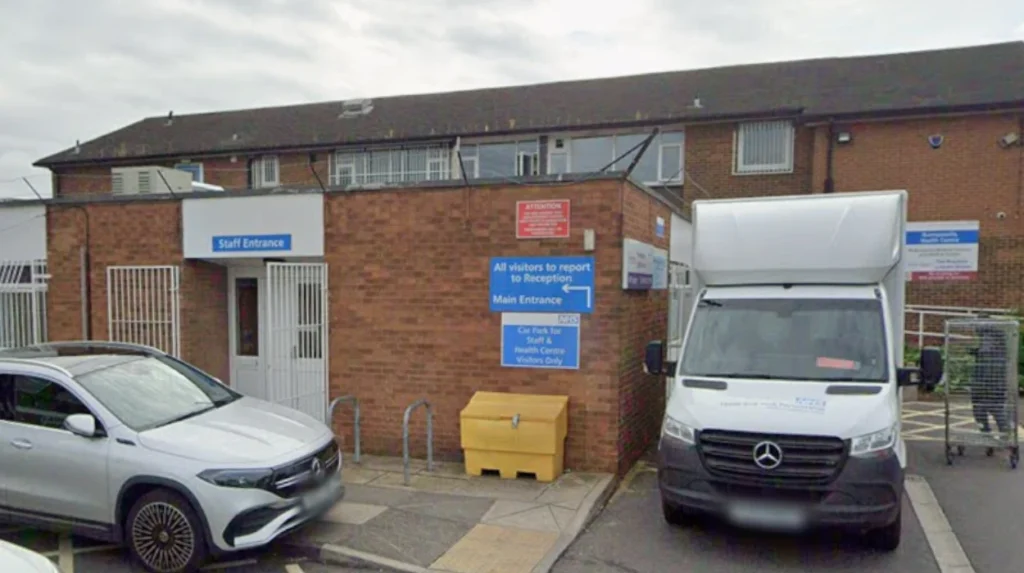
Can you use the Shakespeare Walk‑In Centre without an appointment?
Yes. You can use the Shakespeare Walk‑In Centre without an appointment for many urgent but non‑emergency conditions. The centre is located at 1 Cromwell Mount, Burmantofts, Leeds LS9 7ST and is open from 8:00 am to 8:00 pm every day, including bank holidays.
The centre is an NHS urgent treatment centre that provides advice and treatment for issues such as infections, minor injuries, minor burns, rashes, and some acute illnesses. A clinician (doctor, advanced nurse practitioner, or physician associate) will assess you on arrival and decide whether to treat you there, refer you elsewhere, or advise self‑care.
Before attending, current NHS guidance recommends calling NHS 111 or the centre directly so staff can triage you by phone and tell you when to come in. This helps reduce waiting times and keeps the service safe during busy periods.
Are there other NHS urgent‑care options in Leeds?
Yes. Alongside the Shakespeare Walk‑In Centre, Leeds residents can access other NHS urgent‑care routes such as the NHS 111 service and local urgent treatment centres. These services are designed for conditions that need same‑day care but are not emergencies.
NHS 111 is available 24 hours a day, every day, by phone or online. A trained advisor or clinician will ask questions about your symptoms and either give self‑care advice, book you into an urgent treatment centre, direct you to a pharmacy, or call an ambulance if needed.
This route is especially useful if you are unsure whether you need a full GP, an emergency department, or a walk‑in centre. Guidance from local Leeds NHS providers states that 111 is the preferred route before going to an urgent treatment or walk‑in centre.
When can you see a doctor in Leeds without any prior booking?
You can see a doctor or nurse in Leeds without booking in advance when you need same‑day care for non‑life‑threatening conditions and use the right NHS pathway. The main scenarios are minor injuries, acute but non‑emergency illnesses, and urgent advice that cannot wait for a routine GP slot.
What types of conditions are suitable for walk‑in care in Leeds?
Suitable conditions for walk‑in care in Leeds include infections, minor injuries, rashes, and other urgent but non‑emergency issues. Examples are sore throat, earache, mild respiratory symptoms, minor cuts or burns, simple sprains, fever in adults, and some dermatological problems.
Clinicians at the Shakespeare Walk‑In Centre and similar services can treat, prescribe, and refer as needed. They will not handle life‑threatening emergencies, such as chest pain, severe breathing difficulty, suspected stroke, or major trauma, which must go to A&E or by ambulance.
If you are unsure whether your condition fits walk‑in criteria, NHS England and Leeds‑specific guidance recommend calling NHS 111 first. The service uses structured clinical questions to decide whether you need A&E, a walk‑in centre, a pharmacy, or can safely wait for a routine GP appointment.
When should you avoid walk‑in centres and go to A&E?
You should avoid walk‑in centres and go to A&E or call 999 if you have a life‑threatening emergency. Examples include chest pain, sudden severe breathing difficulty, loss of consciousness, suspected stroke (face‑arm‑speech test), major trauma, severe bleeding, or severe allergic reactions.
Walk‑in centres and urgent treatment centres are not equipped to handle these emergencies. Leeds NHS guidance states that people with such symptoms should use 999 or the nearest A&E department at Leeds Teaching Hospitals NHS Trust, such as Leeds General Infirmary or St James’s University Hospital.

If you are in doubt, use NHS 111; its protocols are designed to escalate to emergency services when necessary. This reduces the risk of delays for truly critical conditions at walk‑in venues.
How does the NHS 111 system route you to a doctor in Leeds?
The NHS 111 system in Leeds routes you to a doctor by first taking a clinical history over the phone or online and then directing you to the most appropriate service. This can be an urgent treatment or walk‑in centre, a pharmacy, a GP, or emergency care.
How does NHS 111 decide whether you need a doctor in Leeds?
NHS 111 uses structured clinical questions to decide whether you need a doctor in Leeds. Advisors ask about your symptoms, duration, severity, and risk factors, then apply NHS‑approved decision‑support software to classify urgency.
If your condition is urgent but not life‑threatening and suitable for a clinician, 111 may book you into an urgent treatment centre or walk‑in centre, sometimes giving you a time slot to reduce waiting. If your issue is less urgent, they may advise a pharmacy, self‑care, or booking a routine GP appointment.
This system aims to direct patients to the right level of care quickly. Data from NHS Digital and local Leeds services show that 111 helps reduce inappropriate visits to A&E and ensures that walk‑in and urgent‑care resources are used for conditions that need same‑day clinician assessment.
Can pharmacies in Leeds help you avoid waiting for a doctor?
Yes. Pharmacies in Leeds can help you avoid waiting for a doctor by providing advice and treatment for minor illnesses and some long‑term conditions. Many community pharmacies are part of the NHS “Pharmacy First” style schemes, which cover common minor ailments.
What can a pharmacy in Leeds do for you?
A pharmacy in Leeds can provide advice, over‑the‑counter medicines, and sometimes prescription‑only medicines for minor conditions. Examples include coughs, sore throats, hay fever, minor skin rashes, constipation, indigestion, and some minor infections when they are not severe.
Pharmacists are trained clinicians who can also advise on medication side‑effects, dosing, and interactions. In some cases, they can supply prescription medicines under NHS‑approved schemes for minor illnesses, reducing the need for a GP or walk‑in‑centre visit.
Leeds NHS guidance states that if you are unsure whether you need a doctor, you can start with a local pharmacy. If they judge your condition as more serious, they will refer you to NHS 111, a GP, or urgent care.
Are there private doctors in Leeds who see patients without an appointment?
Yes. There are private clinics and GPs in Leeds that offer same‑day or next‑day appointments, often without the need for prior registration. These services are not free at the point of use and usually require payment or private insurance.
How do private GP services in Leeds work?
Private GP services in Leeds operate independently of NHS waiting lists and allow you to book short‑notice or same‑day consultations. Examples include Mayfield Clinic and The Whitehall Clinic, which offer face‑to‑face or hybrid appointments in central Leeds.
These clinics typically charge a fee per consultation, which can range from about £100–£250 depending on the provider, time of day, and complexity. They often provide longer consultations (around 20–40 minutes), prompt access to tests, and referrals, but patients must arrange their own prescriptions or outpatient services.
Private GP services are useful if you want faster access than available through NHS routes, but they are not a substitute for NHS emergency care. For life‑threatening conditions, patients should still use 999 or the nearest A&E.
What should you bring and expect when walking in to see a doctor in Leeds?
When you walk in to see a doctor in Leeds, you should bring identification, your NHS number if known, a list of current medications, and any relevant letters or test results. You should also expect to wait, be triaged, and be seen by a clinician or nurse depending on urgency.
What documents and information are useful?
Useful documents and information when visiting an NHS walk‑in or urgent‑care centre in Leeds include photo ID, proof of address, and your NHS number if you know it. If you are registered with a GP, bring your practice details; if you are not registered, staff can still treat you but may ask basic personal details.
You should also bring a list of current medications, including doses, and any recent test results or referral letters. This helps the clinician avoid prescribing overlaps or missing key diagnoses. If you are a student, visitor, or temporary resident, you are still entitled to NHS emergency and urgent care in Leeds.
What happens during a typical walk‑in visit?
During a typical walk‑in visit in Leeds, you will check in at reception, give basic details, and then be triaged by a clinician or administrative staff. The triage step helps prioritise people with more urgent symptoms and allocate treatment areas.
You may wait for a period that varies by time of day and demand. After triage, you will see a doctor, nurse, or advanced practitioner who will take a history, examine you if needed, and decide on treatment, tests, or onward referral. You may receive advice, prescriptions, or referrals to other services before leaving.
If your condition is more complex or chronic, the clinician may advise you to book a routine appointment with a registered GP. Walk‑in centres are intended for acute, same‑day issues, not long‑term condition management.
How can students and visitors in Leeds access a doctor without an appointment?
Students and visitors in Leeds can access a doctor without an appointment through NHS urgent‑care services, walk‑in centres, NHS 111, and pharmacies. They retain the same rights to emergency and urgent NHS care as local residents, regardless of how long they plan to stay.
What options are available for Leeds University students?
Leeds University students can use the Shakespeare Walk‑In Centre, NHS 111, and local pharmacies for urgent care without an appointment. Students are also entitled to register with an NHS GP in Leeds, which is free and does not depend on being a permanent resident.
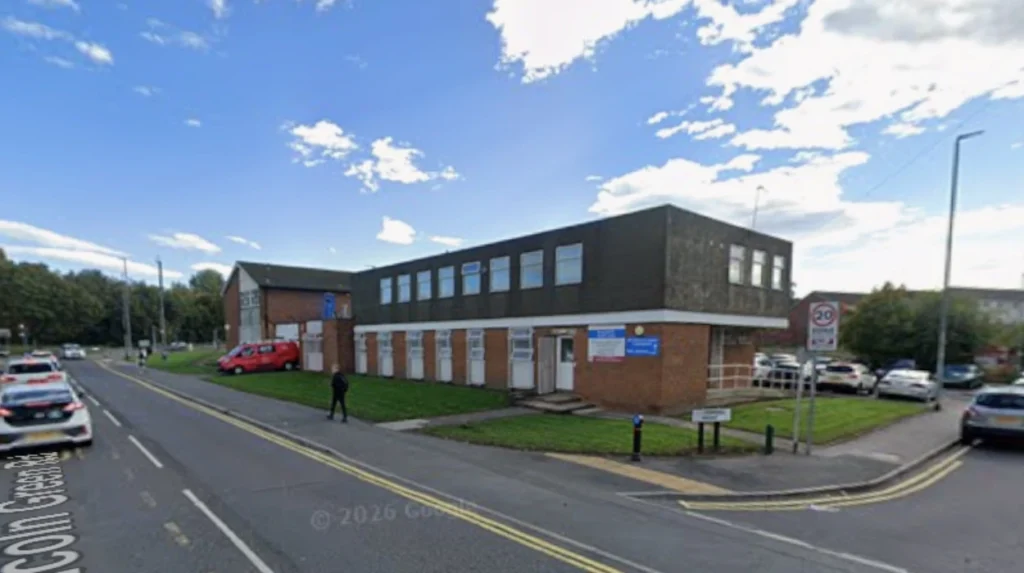
Many GP practices in Leeds accept student registrations, especially those near campus areas, and some offer online services such as appointment booking and prescription requests. If a student cannot get a same‑day appointment, they can use urgent‑care routes or walk‑in centres for immediate issues.
International students must still use NHS emergency and urgent‑care services for acute problems. For non‑urgent, long‑term care, they should register with a local GP and follow normal NHS referral pathways.
What should short‑term visitors know?
Short‑term visitors in Leeds can access emergency and urgent NHS care without prior registration. They can use the Shakespeare Walk‑In Centre for non‑life‑threatening conditions, NHS 111 for advice, and pharmacies for minor ailments.
If a visitor needs a doctor immediately, they should go to the nearest A&E for emergencies or an urgent treatment centre for same‑day non‑emergency care. They should carry any insurance details or identification that may be needed for non‑NHS services, such as private clinics.
For longer stays, NHS guidance recommends registering with a local GP in Leeds for continuity of care. This makes it easier to access both routine and urgent appointments without relying solely on walk‑in routes.
How is seeing a doctor without an appointment changing in Leeds?
Seeing a doctor without an appointment in Leeds is becoming more digital and triage‑based, with a stronger emphasis on NHS 111 and online services before in‑person visits. This shift aims to reduce pressure on walk‑in centres and ensure that in‑person care goes to those who need it most.
What recent changes affect walk‑in access?
Recent changes in Leeds include stricter use of phone triage before in‑person attendance at walk‑in centres and more structured integration between NHS 111, urgent treatment centres, and GP practices. This means patients are more likely to be assessed by phone first, then directed to the best service.
Some walk‑in centres have also introduced time‑slot or “call first” policies to manage crowding and infection control. These changes have increased the importance of using NHS 111 or the centre’s own phone line before going in person.
What does this mean for future access?
These changes mean that future access to doctors without appointments in Leeds will increasingly depend on digital and phone channels first. People may need to use NHS 111 or an online portal to be triaged before getting a time to attend an urgent treatment centre or walk‑in clinic.
At the same time, private GP services are likely to expand options for same‑ or next‑day appointments, especially for those willing to pay. However, NHS‑funded routes will remain the main route for free urgent care, with tighter triage to balance demand and capacity.