

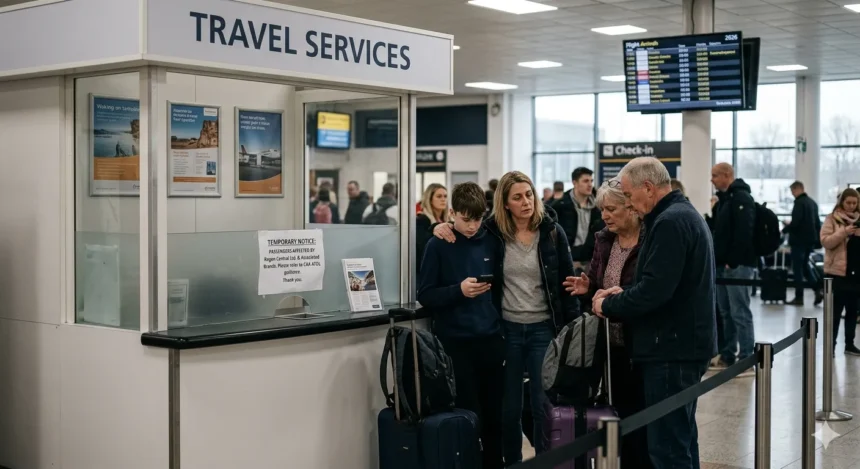
Regen Central Ltd entered formal liquidation in early 2026, becoming one of the latest UK‑based travel companies to cease operations after years of providing package holidays and ATOL‑covered flights. Its liquidation followed a High Court‑ordered winding‑up petition filed in May 2025 and the later appointment of joint liquidators in January 2026, leaving many customers without refunds and highlighting ongoing risks in the leisure‑travel sector.
- What is Regen Central Ltd’s liquidation?
- How does Regen Central Ltd’s liquidation affect Leeds holidaymakers?
- What should Leeds customers do after Regen Central Ltd’s liquidation?
- How does Regen Central Ltd’s liquidation reflect wider travel‑sector risks for Leeds?
- What are the long‑term implications for Leeds‑based travel bookings?
The collapse has affected residents across the UK, including passengers booking from cities such as Leeds, who had arranged package holidays through Regen Central Ltd and its associated brands. Leeds‑based travellers were among those who had booked flights plus accommodation to destinations in Europe, Southeast Asia, and the Middle East, only to find their trips cancelled when the company ceased trading on 13 January 2026.
What is Regen Central Ltd’s liquidation?
Regen Central Ltd liquidation is the formal UK insolvency process by which the company was closed down, its assets realised, and its remaining debts settled according to the Insolvency Act 1986 and the Insolvency (England and Wales) Rules 2016. Liquidation is a type of corporate insolvency where a company stops trading, an insolvency practitioner (the liquidator) is appointed, and the business is effectively wound up rather than being rescued.
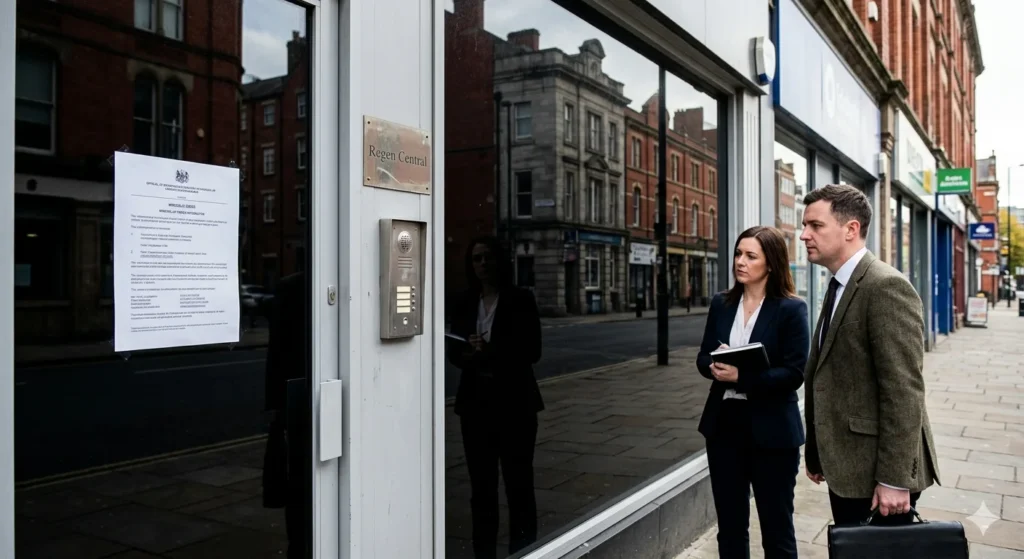
The liquidation of Regen Central Ltd began with a High Court winding‑up order issued in August 2025, recorded in the London Gazette. The appointment of joint liquidators by the Secretary of State in January 2026 marked the start of the formal asset‑realisation and creditor‑claims phase. At the time of insolvency, the company remained listed as “active” on Companies House, a common technical status until the Registrar formally dissolved the entity.
For Leeds residents who had booked with Regen Central Ltd, the liquidation means that the company is no longer able to supply or refund any unsatisfied travel‑contract obligations. All bookings became cancelled, and affected Leeds‑area customers were told not to expect refunds from the firm itself, pushing them instead to explore alternative redress routes such as credit‑card chargebacks and travel‑insurance claims.
How does Regen Central Ltd’s liquidation affect Leeds holidaymakers?
Regen Central Ltd’s liquidation directly affects Leeds holidaymakers who had booked package holidays, religious‑travel trips, or other outbound tours through the company or its brands such as One Haji and Umrah, Regen Travels, and Oneworld Travels. For Leeds‑based customers, the main consequence is the loss of their original travel contract and the challenge of recovering money or arranging alternative trips at short notice.
Many Leeds residents use budget‑ and niche‑travel operators like Regen Central Ltd to reach destinations such as Italy, Bali, Thailand, Dubai, and Saudi Arabia, often via bundled flight‑and‑hotel packages priced below mainstream‑tour‑operator levels. When the company ceased trading, those passengers found flights cancelled, accommodation bookings void, and no direct refund pathway through the liquidator.
Residents from areas including Leeds city centre, Roundhay, Headingley, and surrounding suburbs reported last‑minute cancellations, missed departure dates, and significant disruption to family holidays and religious‑travel plans. Community‑notice boards, local Facebook groups, and consumer‑advice pages in Leeds have been widely used by affected passengers to share information about credit‑card rights, Section 75 claims, and travel‑insurance options.
What should Leeds customers do after Regen Central Ltd’s liquidation?
Leeds customers whose bookings were cancelled by Regen Central Ltd should act quickly to maximise their chances of recovery, even though the liquidator cannot issue refunds directly. The key steps involve using alternative financial‑protection channels and documenting their case clearly.
First, any purchases made through a UK credit card for more than £100 should be assessed under Section 75 of the Consumer Credit Act 1974, which makes the card issuer jointly liable for mis‑sold or failed services. Leeds residents can contact their card issuer to request a chargeback or construct a Section 75 claim, attaching copies of booking confirmations, payment receipts, and the company’s liquidation notice.
Second, if the traveller holds travel insurance that includes “financial‑failure” or “supplier‑insolvency” cover, Leeds policyholders should submit a claim to the insurer, again with receipts, itineraries, and evidence of the booking. Some insurers also require a copy of the Companies House or Gazette notice confirming the winding‑up order.
Finally, Leeds customers can contact the Civil Aviation Authority’s ATOL team to check whether their trip was covered at the time of booking, even though Regen Central Ltd’s ATOL licence was ultimately revoked. The CAA’s guidance is widely shared by local advice centres and libraries in Leeds, which often print or link to official leaflets on how to claim after a travel company failure.
How does Regen Central Ltd’s liquidation reflect wider travel‑sector risks for Leeds?
Regen Central Ltd’s liquidation reflects broader structural risks in the UK travel sector that are particularly relevant to budget‑conscious cities like Leeds. Long‑established niche and mid‑market travel firms have come under pressure from price competition, thin profit margins, and post‑pandemic volatility in demand and supplier pricing.
Leeds residents frequently rely on smaller operators to access cheaper routes to Mediterranean resorts, East‑Asian destinations, and religious‑travel hubs, making them disproportionately exposed when such firms fail. The collapse of Regen Central Ltd, alongside other recent UK‑travel‑company insolvencies, has prompted consumer‑advice groups in Leeds to increase outreach on booking‑safety checks, such as verifying ATOL status and choosing payment methods with built‑in protection.
Local media in Leeds, including The Leeds Times, have used cases like Regen Central Ltd to highlight the importance of checking regulatory status before booking and to remind readers that liquidation does not automatically mean the end of all redress options. These stories help integrate the firm’s insolvency into a broader narrative about consumer protection in outbound travel, which remains a significant topic for families and religious communities in Leeds planning holidays and pilgrimages.

What are the long‑term implications for Leeds‑based travel bookings?
The long‑term implications of Regen Central Ltd’s liquidation for Leeds‑based travel bookings centre on changing consumer behaviour and heightened awareness of financial‑protection mechanisms. Leeds passengers are increasingly likely to:
- Check ATOL status and licence validity before booking, especially with smaller or niche travel operators.
- Prefer credit cards with Section 75 rights or debit cards backed by strong chargeback policies when paying for packages.
- Seek travel‑insurance policies that explicitly cover organiser‑failure or insolvency, and read the policy wording carefully.
Leeds‑focused travel‑agents and comparison‑site users are also more likely to treat discount‑heavy offers from less‑familiar brands as higher‑risk propositions, even if the upfront price appears attractive. This shift supports a more cautious, information‑driven approach to outbound‑travel planning, which is reflected in growing local‑media coverage of how to recognise and avoid financially vulnerable travel companies.
Regen Central Ltd’s liquidation, therefore, serves as an evergreen case study for Leeds‑based readers, illustrating how a single corporate failure can ripple through local communities and shape both future booking habits and regulatory awareness in the city’s travel market.
What happened to Regen Central Ltd in the UK?
Regen Central Ltd shut down after a court-ordered liquidation. The company stopped trading in January 2026, and customers were left with cancelled trips and no direct refunds.