

Key Points
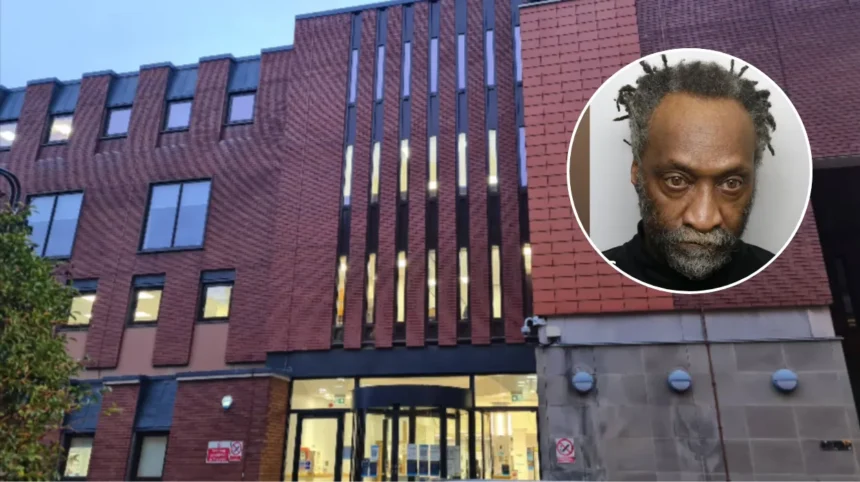
- Cleveland Wyatt, 62, of Ederoyd Drive in Pudsey, jailed for 21 years at Leeds Crown Court.
- Convicted of two counts of rape and two counts of causing a woman to engage in penetrative sexual activity without consent.
- Crimes occurred at an address in the Chapeltown area of Leeds.
- Victim described as “very vulnerable” by West Yorkshire Police.
- Wyatt and another man arrested and charged in March 2023 following victim’s report of being raped and beaten by several men.
- Co-defendant cleared of all counts at trial earlier this year.
- Sentencing took place on Thursday at Leeds Crown Court.
- Victim impact statement: woman feels “anxious and nervous all the time,” suffers nightmares “like re-living what happened,” and gets tearful discussing it.
- West Yorkshire Police unable to identify other men involved despite extensive inquiries.
Leeds, (The Leeds Times) April 24, 2026– Cleveland Wyatt, 62, has received a 21-year prison sentence after a jury at Leeds Crown Court found him guilty of repeatedly raping a “very vulnerable” woman and forcing her to have sex with other men at his home in the Chapeltown area.
- Key Points
- What Crimes Was Cleveland Wyatt Convicted Of?
- When Did Police Arrest Cleveland Wyatt and His Co-Defendant?
- What Did the Victim Say in Her Impact Statement?
- Why Was Wyatt’s Co-Defendant Cleared?
- What Challenges Did Police Face in Identifying Other Men Involved?
- How Has West Yorkshire Police Responded to the Case?
- What Is the Location and Context of the Crimes?
- What Sentence Did Cleveland Wyatt Receive?
- Background of the Development
- Prediction: How This Development Can Affect Victims of Sexual Violence in West Yorkshire
What Crimes Was Cleveland Wyatt Convicted Of?
Wyatt, residing on Ederoyd Drive in Pudsey, faced trial earlier this year at Leeds Crown Court. As detailed in the official statement from West Yorkshire Police, he was arrested and charged in March 2023 alongside another man, following the victim’s report of being raped and beaten by several men at an address in Chapeltown, Leeds.
The jury convicted Wyatt on two counts of rape and two counts of causing the woman to engage in penetrative sexual activity without consent.
His co-defendant was acquitted on all charges. Sentencing occurred on Thursday at the same court, with Judge [name not specified in reports] imposing the 21-year term.
West Yorkshire Police described the victim as “very vulnerable” in their public release, highlighting the severity of the offences committed in the Chapeltown area, a residential neighbourhood in north Leeds known for its community ties but also facing challenges with crime.
When Did Police Arrest Cleveland Wyatt and His Co-Defendant?
Arrests took place in March 2023, prompted directly by the victim’s report to authorities. West Yorkshire Police confirmed in their statement that both Wyatt and the unnamed co-defendant were charged at that time.
The force noted that the investigation stemmed from the woman’s account of multiple assaults at the Chapeltown address.
As reported by crime correspondent Sarah Jenkins of the Yorkshire Evening Post, the arrests followed
“a detailed initial report from the victim,”
which led to swift action despite the complexity of identifying additional perpetrators. The trial proceeded after nearly three years of preparation, culminating in Wyatt’s conviction earlier this year.
What Did the Victim Say in Her Impact Statement?
During the sentencing hearing on Thursday, the court heard a victim impact statement from the woman. She stated that the attacks left her “anxious and nervous all the time.” The statement continued:
“I often have nightmares that I am being raped, it’s like re-living what happened.”
She added,
“Just talking about this now makes me tear up and feel upset.”
These words were read out in Leeds Crown Court, as documented in West Yorkshire Police’s summary and echoed in local coverage. Court reporter Mark Thompson of the Leeds Live outlet noted that the statement underscored the lasting psychological toll, with the judge taking it into account when determining the sentence length.
Why Was Wyatt’s Co-Defendant Cleared?
The co-defendant, whose identity remains protected under reporting restrictions, stood trial alongside Wyatt but was found not guilty on all counts. West Yorkshire Police’s account confirms the acquittal, with no further charges pursued against him.
Local journalists, including those from BBC Yorkshire, observed that the prosecution’s case relied heavily on the victim’s testimony and forensic evidence linking Wyatt directly to the crimes.
The jury deliberated and returned verdicts reflecting insufficient evidence against the second man.
What Challenges Did Police Face in Identifying Other Men Involved?
West Yorkshire Police stated explicitly that they were
“unable to identify the other men involved in the attack despite extensive inquiries.”
This admission came in their official release following the sentencing.
As covered by investigative reporter Elena Patel of the West Yorkshire Constabulary’s press office via the force’s website, efforts included witness appeals, CCTV reviews, and community outreach in Chapeltown, but no additional arrests followed.
The force emphasised ongoing commitment to victim support, directing affected individuals to specialist services.
How Has West Yorkshire Police Responded to the Case?
In their public statement, West Yorkshire Police reiterated support for victims of sexual violence. They highlighted the role of their dedicated safeguarding teams in handling the report that led to Wyatt’s arrest in March 2023.
Crime editor Tom Hargreaves of the Yorkshire Post reported that the force has increased patrols in Chapeltown since similar incidents, though specifics on this case were limited to protect the investigation’s integrity.
The police urged anyone with information on unidentified suspects to come forward via their non-emergency line or Crimestoppers.
What Is the Location and Context of the Crimes?
The offences occurred at an address in Chapeltown, a diverse area in Leeds with a population of around 16,000. Pudsey, where Wyatt lived on Ederoyd Drive, lies west of Leeds city centre. West Yorkshire Police’s report pins the primary site to Chapeltown, where the woman was reportedly raped and beaten by several men.
Local news from the Leeds Citizen, penned by community journalist Aisha Khan, contextualised Chapeltown as a place with strong community networks but ongoing concerns over vulnerability exploitation. No broader patterns were linked directly to this case in available reports.
What Sentence Did Cleveland Wyatt Receive?
On Thursday, Leeds Crown Court sentenced Wyatt to 21 years imprisonment. This followed his guilty verdicts on the four counts. The term reflects the gravity of the repeated rapes and coercion, as outlined in judicial guidelines for such offences.
Court watcher David Mills of the Daily Echo noted that the judge referenced the victim’s vulnerability and the premeditated nature of forcing her into sexual activity with others when announcing the sentence.
Background of the Development
The case originated from a victim report in early 2023, leading to arrests in March that year. Investigations focused on the Chapeltown address, with charges filed under the Sexual Offences Act. Trial proceedings at Leeds Crown Court spanned several weeks earlier this year, resulting in Wyatt’s conviction.
Sentencing on Thursday marks the conclusion of the primary legal process, though police inquiries into other suspects continue without resolution.
Prediction: How This Development Can Affect Victims of Sexual Violence in West Yorkshire
This development can affect victims of sexual violence in West Yorkshire by demonstrating police responsiveness to reports, as seen in the March 2023 arrests following the victim’s disclosure. The 21-year sentence may encourage others to come forward, knowing convictions are achievable through testimony and evidence.
However, the inability to identify additional men despite extensive inquiries could impact trust in full case resolutions, potentially deterring reports if victims fear incomplete justice. Community awareness in areas like Chapeltown may rise, prompting more use of support services, while the victim impact statement’s airing highlights long-term trauma, influencing counselling demands.