

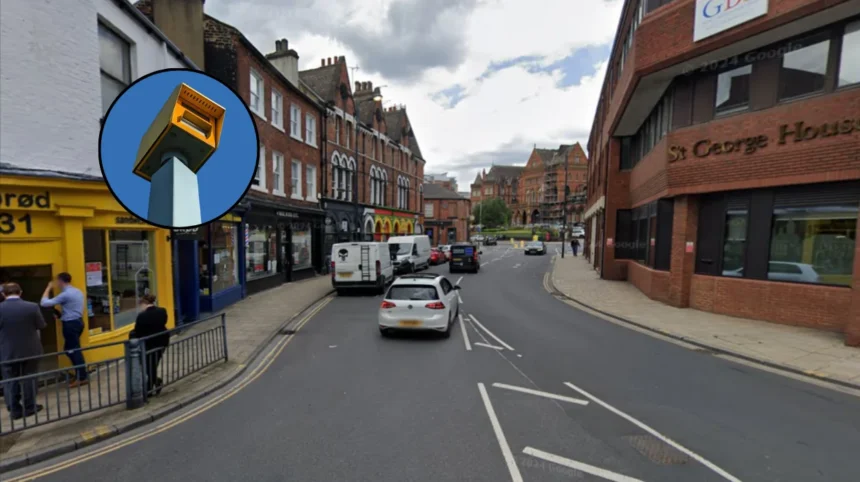
Key Points
- Mobile speed cameras are currently active across various locations in Leeds to encourage compliance with speed limits.
- The enforcement is managed by the West Yorkshire Police Camera Enforcement Unit on behalf of the West Yorkshire Safety Camera Partnership.
- Cameras are deployed in two specific categories: “core camera sites” and “community concern sites”.
- Core sites are identified by high historical rates of casualties and speeding, while community concern sites are designated based on local resident feedback.
- This initiative is part of a broader “Vision Zero” strategy aimed at reducing road deaths and serious injuries.
Leeds (The Leeds Times) April 27, 2026 – Mobile speed cameras are once again in active operation across the roads of Leeds this week as part of an ongoing regional safety initiative. The enforcement patrols are conducted by the West Yorkshire Police Camera Enforcement Unit, acting on behalf of the West Yorkshire Safety Camera Partnership, to monitor traffic and address instances of speeding and red-light signal violations. The authorities have confirmed that these units are currently deployed at both core camera sites and designated community concern locations throughout the city.
How does the West Yorkshire Safety Camera Partnership determine where to place cameras?
According to the official guidance provided by the West Yorkshire Safety Camera Partnership, the organization comprises the five metropolitan district councils of Bradford, Calderdale, Kirklees, Leeds, and Wakefield, in collaboration with West Yorkshire Police and the Highways Agency.
As stated by the partnership, the primary objective of these deployments is to prevent road casualties by promoting adherence to speed limits and traffic regulations.
The partnership distinguishes between two types of locations to manage deployment effectively. As reported by various local news outlets, “core camera sites” are defined as areas that have historically recorded a high frequency of road accidents and persistent speeding violations.
These sites are selected based on evidence-based data where the physical presence of enforcement technology is deemed necessary to improve driver behavior and reduce the risk of future collisions.
What is the difference between core sites and community concern sites?
In addition to core sites, the authorities utilize “community concern sites” to address traffic issues that may not meet the specific threshold for the core designation but still pose a risk to local residents.
These sites are identified through direct feedback from the community and local authorities, ensuring that the police response is responsive to the specific needs of neighborhoods.
As explained by the West Yorkshire Safety Camera Partnership, the enforcement strategy utilizes various technologies, including fixed “spot speed” cameras, average speed cameras, and mobile safety camera patrols.
When a location is identified as a community concern site, the highway authority and the safety partnership conduct assessments to determine if the site is suitable for camera enforcement, such as verifying required sightlines and parking availability. If a site meets these criteria, the partnership commits to attending the location on at least three separate occasions, with ongoing reviews to ensure the effectiveness of the intervention.
What is the background of this speed enforcement development?
The current enforcement strategy in Leeds is rooted in a wider regional shift that gained momentum in February 2023. As reported by legal and industry news sources, including Chadwick Lawrence, the West Yorkshire Police introduced significant changes to their camera operations at that time to adopt a more proactive approach to road safety.
These changes included the removal of certain warning signs to add an element of surprise, which the police believe encourages more consistent driving standards across the entire road network, rather than only in areas where cameras are explicitly flagged.
Furthermore, this operational shift supports the regional “Vision Zero” goal, a strategy aimed at eliminating traffic fatalities and serious injuries. Official data indicates that in the first 12 months following the launch of this enhanced enforcement strategy, over 220,000 speeding motorists were detected across West Yorkshire. Of this total, approximately 32,200 offences were recorded at 40 new enforcement sites specifically introduced in response to public concerns, highlighting the impact of the community-led site designation process.
How will this development affect road users in Leeds?
For the average motorist in Leeds, the continued presence of these mobile cameras signifies a sustained commitment by the authorities to monitor and regulate traffic speed.
As noted by Paul Jeffrey, the Head of Department for Prosecutions and Casualty Prevention, the presence of these enforcement measures is consistently linked to lower collision rates compared to road networks without such oversight.
Drivers should anticipate that enforcement will remain fluid, with mobile units moving between various core and community sites based on current traffic data and ongoing casualty reports.
By maintaining compliance with posted speed limits, road users can avoid potential penalties while contributing to the overall objective of creating safer streets for pedestrians, cyclists, and other drivers. As the partnership continues to review and update these sites on an ongoing basis, residents should remain aware that enforcement locations are subject to change based on the latest safety assessments.