

Key Points
- An unspecified incident at Leeds Bradford Airport this morning caused multiple flight diversions and significant departure delays
- The 8.10am Wizz Air flight to Bucharest Otopeni was delayed until approximately 11.30am
- Ryanair’s 9.05am flight to Perpignan experienced a two-hour delay
- Multiple departures were pushed back as the airport managed the aftermath of the incident
- Concerns were raised among passengers and aviation observers regarding the disruption
- The incident diverted inbound flights to alternative airports while departure operations continued at reduced capacity
- Passengers faced uncertain wait times with limited information about the root cause of the disruption
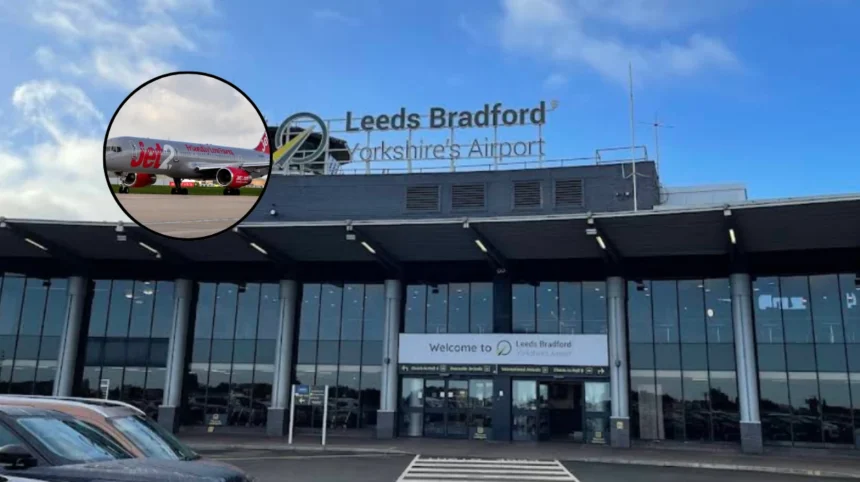
Leeds Bradford Airport (The Leeds Times) June 1, 2026 – Concerns were raised after an incident diverted flights and delayed departures at Leeds Bradford Airport this morning, disrupting travel plans for hundreds of passengers across multiple airlines. Several trips were pushed back including the 8.10am Wizz Air flight to Bucharest Otopeni and the 9.05am Perpignan from Ryanair, with the latter experiencing a two-hour delay and the former set to take off at 11.30am.
- Key Points
- What Impact Did the Incident Have on Flight Schedules?
- Why Were Flights Diverted Away from Leeds Bradford?
- How Did Passengers Respond to the Disruption?
- What Do Previous Incidents at Leeds Bradford Reveal About Airport Vulnerability?
- What Information Remains Unavailable About the Incident?
- Background of the Particular Development
- Prediction: How This Development Can Affect Passengers and Regional Travelers
- Medium-Term Effects on Regional Connectivity
- Long-Term Implications for Airport Infrastructure Investment
- Economic Impact on West Yorkshire Region
What Impact Did the Incident Have on Flight Schedules?
As reported by the journalist covering the story for The Telegraph and Argus, multiple flights faced significant delays this morning, with airport operations severely impacted by the unexpected incident. The disruption affected both departing and arriving flights, creating a ripple effect throughout the morning schedule.
The 8.10am Wizz Air service to Bucharest Otopeni, one of the airport’s key Eastern European routes, was among the most significantly delayed departures. Passengers on this flight faced an extended wait, with the aircraft not scheduled to take off until 11.30am — nearly three hours behind its original departure time.
Ryanair’s 9.05am flight to Perpignan in southern France also suffered substantial disruption, experiencing a two-hour delay that pushed its departure to approximately 11.05am. This delay particularly affected holidaymakers and business travellers heading to the French region, many of whom had tight connections or time-sensitive arrangements at their destination.
Why Were Flights Diverted Away from Leeds Bradford?
The incident triggered flight diversions, with inbound aircraft unable to land at Leeds Bradford being redirected to alternative airports across the UK. While the specific details of which flights were diverted remained unclear from initial reports, the pattern mirrors previous disruption incidents at the airport where incoming flights were sent to Manchester, Newcastle, Birmingham, Liverpool, Stansted, Humberside, and East Midlands airports.
This diversion pattern represents a significant operational challenge for passengers. Those expecting to arrive at Leeds Bradford must now arrange ground transportation from alternative airports, potentially adding hours to their journey time and incurring additional costs for trains, buses, or taxi services from distant locations.
The airport’s decision to divert flights suggests the incident created conditions making landing unsafe or impossible, though the exact nature of the incident was not disclosed in immediate reports. Past incidents at Leeds Bradford have included runway damage discovered during routine inspections and aircraft skidding off runways during adverse weather conditions.
How Did Passengers Respond to the Disruption?
Passengers affected by the morning’s delays expressed frustration and uncertainty as they waited for updates from airlines and airport authorities.
The Telegraph and Argus reported that concerns were raised among travellers regarding the lack of clear information about the incident’s cause and expected resolution timeline.
Those stranded at the airport faced long waits in departure halls, with some passengers reporting limited communication from airline staff regarding their realistic departure times.
The extended delays, particularly the near-three-hour hold for the Wizz Air Bucharest flight, tested passenger patience and highlighted the challenges of managing significant operational disruptions at regional airports.
Families with young children, elderly travellers, and those with connecting flights faced particular difficulties, as the delays created cascading problems throughout their travel itineraries. Some passengers potentially faced missed connections at destination airports, requiring rebooking assistance from airlines.
What Do Previous Incidents at Leeds Bradford Reveal About Airport Vulnerability?
Historical data from previous disruptions at Leeds Bradford Airport provides context for understanding the current situation. In October 2025, runway damage discovered during routine inspection led to overnight closure affecting six outbound flights and 12 inbound flights, with arrivals diverted predominantly to Manchester. That incident resulted in flight operations resuming around 6am after repair teams worked through the night.
In October 2023, Storm Babet caused a Tui plane to skid off the runway onto grass during landing, triggering emergency service response and runway closure.
That incident caused dozens of departures to be delayed with no immediate indication of resumption times, while incoming flights from Belfast, Palma, and Malaga were diverted to Manchester.
These previous incidents demonstrate that Leeds Bradford Airport, despite its regional status serving over three million passengers annually, faces operational vulnerabilities when confronted with runway issues or adverse conditions.
The airport’s single-runway configuration means any incident affecting landing or takeoff operations immediately impacts the entire schedule.
What Information Remains Unavailable About the Incident?
Despite the significant disruption, several critical details about today’s incident remain unconfirmed. The specific nature of the incident — whether mechanical, weather-related, infrastructure-related, or involving an aircraft — was not disclosed in initial reports from The Telegraph and Argus.
Airport authorities and airline representatives had not provided comprehensive statements regarding the cause, expected duration of disruptions, or compensation policies for affected passengers. This information gap left passengers struggling to make informed decisions about their travel plans and rights.
The total number of passengers affected by the delays and diversions was also unclear, though the scale of disruption affecting multiple airlines and numerous flights suggests several hundred travellers experienced significant inconvenience.
Background of the Particular Development
Leeds Bradford Airport (LBA) serves the Leeds and Bradford metropolitan area in West Yorkshire, England, handling approximately 3.1 million passengers annually pre-pandemic. The airport operates a single runway (05/23), making it particularly vulnerable to disruptions when that runway becomes unavailable for any reason.
The airport has experienced multiple significant disruption incidents in recent years. In October 2025, runway damage discovered during routine inspection forced overnight closure, affecting 18 total flights (6 outbound, 12 inbound) and requiring repair teams to work through the night before operations resumed around 6am. During that incident, 14 scheduled arrivals were diverted to Manchester, Newcastle, Birmingham, Liverpool, Stansted, Humberside, and East Midlands airports.
In October 2023, severe weather from Storm Babet contributed to a Tui Boeing 737 Max aircraft skidding off the runway onto grass during landing, with emergency services responding and confirming no injuries but closing the runway for extended periods.
That incident caused dozens of departures to delay and multiple inbound flights to divert to Manchester, including services from Belfast on easyJet, Palma on Ryanair, and Malaga on Jet2.
Cold weather conditions in January 2025 also caused flight diversions and delays at Leeds Bradford, demonstrating the airport’s vulnerability to adverse weather conditions affecting both runway conditions and aircraft operations.
The airport serves major airlines including Ryanair, Wizz Air, Jet2, Tui, and easyJet, connecting West Yorkshire to European destinations including Bucharest, Perpignan, Amsterdam, Barcelona, Malaga, and Palma.
Prediction: How This Development Can Affect Passengers and Regional Travelers
Passengers whose flights were delayed or diverted this morning face immediate financial and logistical consequences. Those on the delayed Wizz Air flight to Bucharest Otopeni missed their original 8.10am departure, potentially affecting business meetings, family commitments, or connecting flights at their destination.
The nearly three-hour delay may trigger EU261 compensation rights entitling passengers to financial compensation depending on the incident’s cause and the airline’s responsibility.
Travellers on the two-hour delayed Ryanair flight to Perpignan face similar complications, with holiday plans disrupted and potential additional accommodation costs if delays caused missed hotel check-in deadlines or tour start times. Passengers whose flights were diverted to alternative airports must now arrange ground transportation from locations like Manchester, adding £50-£150 in unexpected travel costs and 2-4 hours additional journey time.
Explore More Local Leeds News
Rogue Parking Warning at Leeds Bradford Airport — Passengers Alerted, Leeds 2026
Supercuts Hair Salon Closes at White Rose Leeds 2026
Medium-Term Effects on Regional Connectivity
Repeated disruption incidents at Leeds Bradford Airport threaten the airport’s reputation among passengers and airlines alike. Each significant disruption may cause travellers to consider alternative airports such as Manchester, Liverpool, or Doncaster Sheffield for future bookings, potentially reducing passenger numbers and affecting route viability.
Airlines operating from Leeds Bradford may respond to recurrent disruptions by reducing frequency on affected routes or adding buffer time to schedules, which could increase travel times and reduce the airport’s competitiveness against nearby alternatives.
Routes like the Wizz Air service to Bucharest, which experienced significant delays today, face particular risk if passengers perceive the route as unreliable.
Long-Term Implications for Airport Infrastructure Investment
The pattern of disruption incidents at Leeds Bradford — including runway damage in October 2025, the 2023 runway skid incident, and today’s incident — suggests potential infrastructure vulnerabilities requiring investment. Extended runway closure for repairs, as occurred in October 2025, demonstrates the airport’s single-runway operational fragility.
Regional airports with single-runway configurations face inherent operational limitations that become apparent during incidents.
Long-term solutions might include runway resurfacing programs, enhanced drainage systems, improved emergency response capabilities, or even consideration of secondary runway development, though the latter represents significant financial investment unlikely without government support.
Economic Impact on West Yorkshire Region
Leeds Bradford Airport contributes significantly to West Yorkshire’s economy, supporting employment directly at the airport and indirectly through tourism, business connectivity, and logistics operations. Persistent disruption issues could affect business confidence in the region’s accessibility, potentially influencing corporate location decisions and international business connections.