
Key Points
- Leeds Fire & Rescue is inviting community members to attend a CPR class on Tuesday, 7 July, starting at 9 a.m.
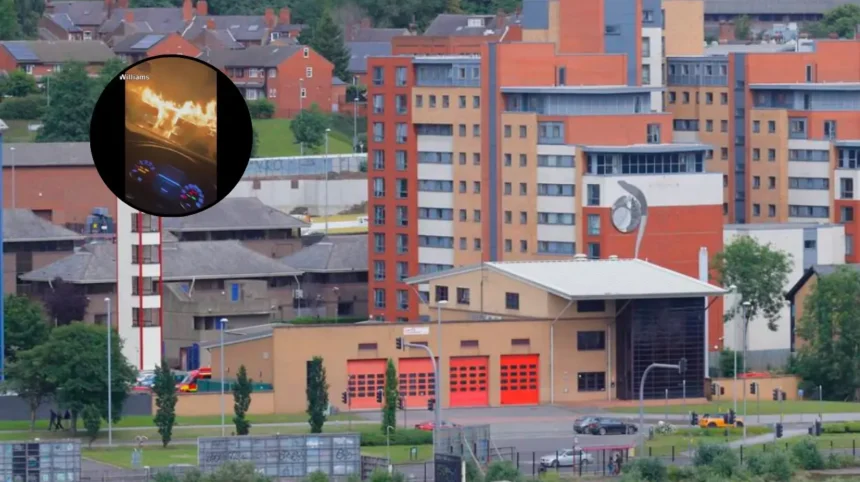
- The class will take place at Leeds Fire & Rescue Station 1, 1051 Park Drive in Leeds.
- Participants will learn how to recognise cardiac emergencies, perform high-quality CPR and use an automated external defibrillator, or AED.
- The session is open to the community and everyone is welcome to attend.
- Leeds Fire & Rescue says the CPR class is offered on the first Tuesday of every month.
Leeds (The Leeds Times) July 7, 2026 – According to the information provided by Leeds Fire & Rescue, the session is designed to teach attendees how to recognise cardiac emergencies, perform high-quality CPR and use an automated external defibrillator, or AED. The department says the class is open to the community and that everyone is welcome to attend. It also notes that the CPR class is held on the first Tuesday of every month.
What is being offered?
The class is intended as a practical community training session rather than a formal certification announcement, based on the details available.
Leeds Fire & Rescue says the aim is to help participants gain the confidence and hands-on skills needed to respond during an emergency.
The focus on cardiac emergencies, CPR and AED use suggests the session is aimed at giving people a basic emergency response toolkit that may be useful in homes, workplaces and public settings.
Where and when is it taking place?
The class is scheduled for Tuesday, 7 July, at 9 a.m. at Leeds Fire & Rescue Station 1, located at 1051 Park Drive in Leeds.
The timing and venue place the event firmly within the local community setting, making it accessible for residents who want to take part in emergency preparedness training.
Leeds Fire & Rescue has said this class is part of a recurring monthly programme, which indicates a continued effort to keep the community engaged in life-saving skills.
Why does it matter?
Cardiac emergencies often require immediate action before paramedics arrive, so public CPR knowledge can make a difference in the first crucial minutes of an incident.
The class matters because it gives ordinary residents a chance to learn response skills that are directly relevant to real emergencies.
By offering the course regularly, Leeds Fire & Rescue is making basic life-support awareness more available to people who may never have had formal training.
Who can attend?
Leeds Fire & Rescue says the class is open to the community and that everyone is welcome to attend. No further eligibility restrictions were provided in the information available, so the event appears to be broadly inclusive.
That openness may help increase turnout among residents, carers, parents, workers and anyone else who wants to learn how to respond in a medical emergency.
What will attendees learn?
The department says attendees will be shown how to recognise cardiac emergencies, perform high-quality CPR and use an AED.
Those three elements form the core of many basic emergency response courses because they combine recognition, action and equipment use.
In practical terms, that means participants are being given guidance on identifying danger early, starting chest compressions correctly and understanding how a defibrillator supports treatment.
How does this fit into the wider picture?
Community CPR classes are often used by fire services as part of wider public safety and prevention work. The monthly schedule suggests the Leeds Fire & Rescue training is not a one-off event but part of an ongoing attempt to improve emergency readiness in the area.
For local residents, that means there may be repeated opportunities to attend if they cannot make this session.
Explore More Local Leeds News
Time Out Names Leeds Top Underrated UK City Break, Leeds 2026
Leeds Bus Routes Cancelled and Diverted Amid Crucial Roadworks: Leeds 2026
Background of the development
Leeds Fire & Rescue’s community CPR class is being presented as part of its regular first-Tuesday training offer.
The department’s focus on hands-on skills reflects a wider public safety approach that encourages residents to be ready to help before emergency services arrive.
CPR and AED awareness are commonly promoted because they can be relevant in sudden cardiac events, where immediate intervention may be important.
The event at Station 1 on Park Drive continues that community education role by bringing basic life-saving training closer to local people.
Prediction
For the local community, the likely effect of this development is gradual but practical: more residents may become familiar with CPR basics and the use of an AED.
That could improve confidence in emergencies, especially for people who live, work or care for others in the area.
If attendance remains steady, the monthly class could also help strengthen public awareness of basic first aid and emergency response across Leeds.