
Key Points
- Licence Approval: New York Mini-Market, located in a noted street drinking hotspot in Leeds city centre, has been granted official permission by Leeds City Council to sell alcohol.
- Curtailed Operating Hours: The convenience store, also known locally as Leeds Mini Market, had its requested operating hours reduced and will be permitted to sell alcohol only until 10:00 pm.
- Agreed Anti-Nuisance Measures: The approval follows a formal licensing hearing where specific conditions were established, including a ban on advertising or displaying alcohol within shop windows.
- Product Restrictions: The local establishment agreed to limits concerning the alcohol volume and strength of beverage stock permitted for sale to discourage anti-social behavior.
- Local Community Resistance: Leeds City Council received four formal objection letters from local residents and stakeholders highlighting persistent issues with aggressive behavior, public disorder, and vulnerable groups near the premises.
- Cumulative Impact Area: The commercial premises operates directly within a designated Cumulative Impact Area (CIA), which indicates the locality is already statistically recognized as suffering from a high level of alcohol-related crime and community harm.
Leeds (The Leeds Times) July 8, 2026, centre street drinking hotspot has successfully secured official administrative permission to conduct alcohol sales, following an intensely scrutinised licensing hearing where strict operational parameters were imposed to prevent further public nuisance. The commercial venue, trading under the commercial name of the New York Mini-Market, has been authorized by local regulators to retail alcoholic drinks to consumers up until a strict nightly threshold of 10:00 pm. This determination was finalized on Tuesday at Leeds Civic Hall after the business owners agreed to a comprehensive slate of operational constraints designed by municipal planners and law enforcement officials to mitigate public disorder, address regional anti-social behavior, and protect vulnerable local populations frequently observed within the immediate geographical sector.
- Key Points
- Why Was the Alcohol Licence Approved for a Store in an Anti-Social Behavior Hotspot?
- What Conditions Must the New York Mini-Market Follow to Keep Its Alcohol Licence?
- Who Objected to the Convenience Store Receiving an Alcohol Licence on New York Street?
- Background of the Cumulative Impact Area Policy in Leeds City Centre
- Prediction: How This Development Can Affect Local Residents, Commuters, and Support Services
Why Was the Alcohol Licence Approved for a Store in an Anti-Social Behavior Hotspot?
As reported by Local Democracy Reporter Don Mort of the Bradford Telegraph and Argus, the statutory sub-committee convened at Leeds Civic Hall approved the application submitted by the New York Mini-Market after a series of preventative operational compromises were hammered out between the legal representation of the business and local administrative authorities.
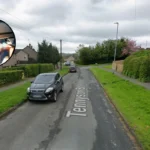
The venue, which sits prominently on New York Street near major commuter junctions, had explicitly adapted its original operating framework to align with structural concerns raised regarding localized crime metrics.
To secure administrative approval from the municipal body, the management of the New York Mini-Market accepted structural reductions to their intended daily schedule, effectively terminating any potential for late-night or early-morning off-licence sales.
Furthermore, explicit restrictions were hardcoded into the business layout regarding what types of alcoholic goods can be stocked, directly eliminating high-strength, low-cost options that are statistically correlated with problematic public intoxication.
According to published proceedings from the Leeds City Council licensing hearing, Bill Donne, an experienced licensing consultant representing the store applicant, explicitly assured sitting councillors that the management team possessed a complete awareness of the structural vulnerabilities characterizing New York Street and its immediate surroundings.
Bill Donne stated to the panel that intoxicated individuals and underage consumers would be strictly prohibited from obtaining service at any point during standard operational hours.
What Conditions Must the New York Mini-Market Follow to Keep Its Alcohol Licence?
As documented within the official regulatory filings published by the local government authority, the permission granted to the New York Mini-Market is entirely contingent on the unwavering execution of strict public safety protocols.
Chief among these regulatory mechanisms is a total prohibition on the external marketing of intoxicating substances; the shop management is legally banned from displaying or advertising any alcoholic products within the outward-facing windows of the New York Street facility.
Additionally, store staff are structurally obligated to actively discourage any aggregation of consumers or street drinking directly outside the storefront footprint. The full list of statutory compromises accepted by the corporate applicant includes:
- A hard curfew on all alcohol retail operations, ensuring no sales are executed past 10:00 pm.
- Strict limits regarding the maximum alcohol by volume (ABV) strength of individual beers, lagers, and ciders held in stock.
- A complete ban on window displays, promotional shelf arrangements, or external signage highlighting alcohol availability to passing pedestrians.
- The mandatory implementation of rigorous age-verification programs alongside standard staff training cycles overseen by local law enforcement guidelines.
Addressing the sub-committee regarding the operational viability of these measures, Bill Donne argued that the commercial scale and diverse inventory of the retail space made it highly unlikely to act as a primary catalyst for community degradation. As reported by Don Mort of the Bradford Telegraph and Argus, Bill Donne stated:
“It needs strong management, which I believe the applicant can provide. There is no way a shop of this size, selling a whole raft of goods, is going to cause a nuisance. It’s a tricky area. We accept that. But businesses do need to open.”
Who Objected to the Convenience Store Receiving an Alcohol Licence on New York Street?
The administrative push to secure an alcohol licence for the city centre store faced sustained, structured resistance from a variety of local stakeholders who insisted that introducing a new alcohol outlet would exacerbate an ongoing urban crisis.
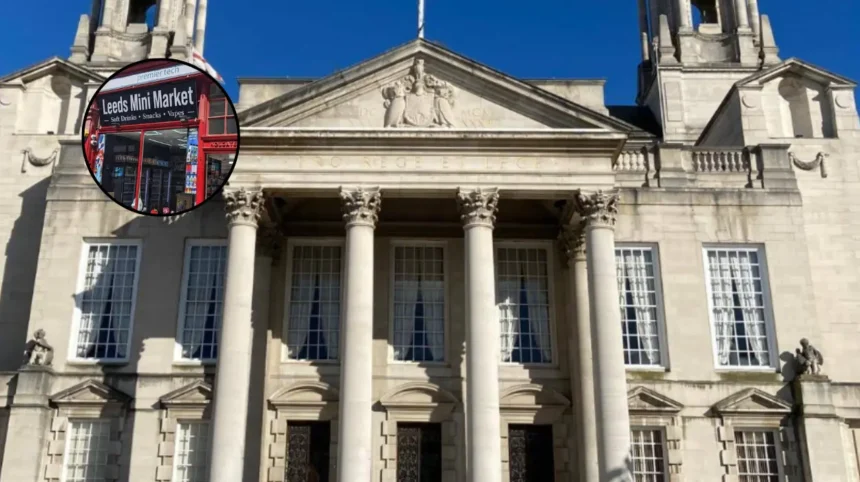
Records from Leeds City Council indicate that four formal letters of objection were formally lodged by members of the community, detailing first-hand accounts of the profound behavioral issues already visible in the immediate vicinity of the shop, which also trades under the name Leeds Mini Market.
The written submissions argued that the area surrounding New York Street and the adjacent Leeds Bus Station is uniquely ill-equipped to absorb another point of sale for intoxicating products.
Objectors stressed that vulnerable, marginalized, and unhoused populations are structural fixtures of the immediate landscape, frequently caught in destructive cycles of public intoxication.
In one formal objection letter preserved within the municipal licensing agenda, a local resident outlined the severe daily challenges currently visible to those living and working nearby, stating directly that
“street drinking and associated anti-social behavior are already ongoing concerns locally.”
The individual emphasized that vulnerable and homeless individuals are regularly observed drinking in the open street near the very walls of the applicant’s market.
A second written objection detailed by the Local Democracy Reporting Service focused heavily on the systemic geographic challenges associated with the transport hubs located close to New York Street.
The objector noted that the area around Leeds Bus Station and the city centre already experiences intense, recurring issues involving street drinking, anti-social behavior, aggressive behavior, and severe public disturbances connected directly to alcohol consumption.
Background of the Cumulative Impact Area Policy in Leeds City Centre
The fierce debate over the New York Mini-Market licence application stems from its physical location inside a designated Cumulative Impact Area (CIA). Under the framework of the Licensing Act 2003, Leeds City Council implements CIA policies in specific urban zones that are statistically proven to suffer from disproportionate levels of alcohol-related crime, public nuisance, and clinical harm.
The presence of a CIA shifts the regulatory equilibrium; instead of assuming an application should be granted unless proven otherwise, there is a soft institutional presumption that new off-licence applications should be declined if they risk worsening the pre-existing density of alcohol outlets.
New York Street, the Leeds Bus Station perimeter, and parts of the surrounding city centre have long been classified by West Yorkshire Police and public health authorities as high-risk environments for public order.
These zones feature a high concentration of support services for individuals dealing with substance dependency, homelessness, and complex mental health challenges, while simultaneously serving as prime transit gateways for thousands of everyday regional commuters.
Over the past decade, local governance models have continuously attempted to balance commercial redevelopment with community safety, frequently utilizing strict zoning and licensing restrictions to keep low-cost alcohol away from highly vulnerable street-level populations.
Explore More Leeds City Council
Leeds Council Faces Hundreds of Millions in Equal Pay Claims: Leeds 2026
Leeds Council Launches Pioneer Cool Space Scheme, Leeds 2026
Prediction: How This Development Can Affect Local Residents, Commuters, and Support Services
The approval of alcohol sales at the New York Mini-Market is highly likely to trigger measurable shifts in the social and commercial ecosystem of New York Street, directly impacting three distinct segments of the local population:
For those living in the immediate high-density residential blocks, the decision could result in an increase in late-afternoon and early-evening public disturbances.
Because the shop will close its alcohol sales at 10:00 pm, the impact will likely concentrate during the post-work rush hour. Residents may experience a greater volume of foot traffic and localized littering, specifically regarding beverage containers discarded in doorways and communal alcoves.
Daily Public Transport Commuters
Tens of thousands of passengers utilizing Leeds Bus Station daily will navigate a transit corridor where alcohol is more readily accessible.
The ban on window advertising will successfully prevent impulse purchasing from long-distance travelers, but the physical presence of an additional vendor could increase instances of low-level intimidation or aggressive begging along the primary walking routes linking the station to the commercial heart of Leeds.
Social Services and Outreach Teams
For street-level support networks and charity workers operating in central Leeds, this newly opened supply line presents a direct operational hurdle.
Even with limits on beverage strength, the convenience of a market located directly in an established street drinking zone means outreach professionals will need to reallocate monitoring resources to the New York Street sector to manage potential flare-ups of anti-social behavior and support vulnerable individuals who are attempting to maintain sobriety.