

Key Points
- High Rating for Wellbeing: Hunslet Carr Primary School achieved a ‘Strong Standard’ rating specifically for its personal development and wellbeing provisions.
- Consistent Overall Performance: Under the newly introduced Ofsted report card framework, the school secured the ‘Expected Standard’ across all other evaluated categories.
- Behaviour Defined as Strength: Inspectors noted that classroom behaviour is a “genuine strength”, with rare instances of discrimination addressed immediately by staff.
- Enriched Extracurricular Offerings: Pupils benefit from an array of experiences, including managing a school allotment, attending residential trips, and visiting the Houses of Parliament.
- Strong Community Integration: Over 70 per cent of the school’s 350 pupils come from disadvantaged backgrounds, yet national test results remain broadly in line with national averages.
- Areas for Ongoing Development: The inspection highlighted that further consistency is required to embed phonics interventions and to fully sustain improvements in pupil attendance.
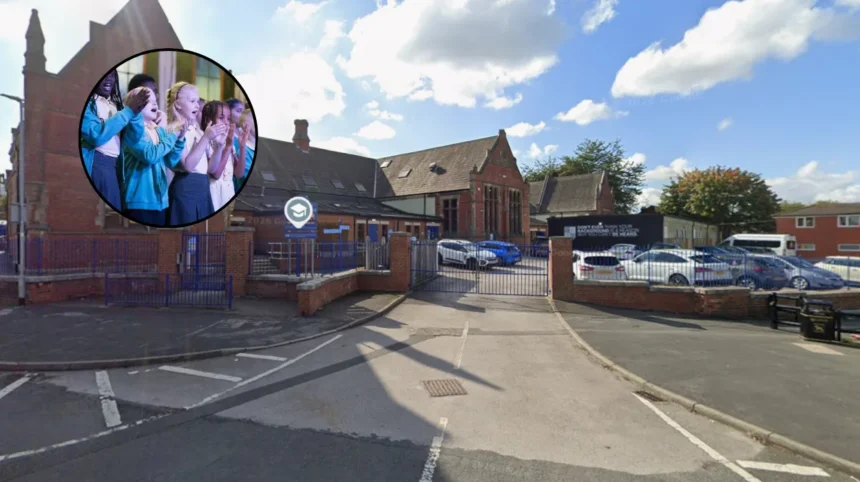
Leeds (The Leeds Times) July 17, 2026 — A comprehensive inspection by the Office for Standards in Education, Children’s Services and Skills (Ofsted) has concluded with Hunslet Carr Primary School securing a ‘Strong Standard’ rating for its personal development and wellbeing framework. The evaluation, which occurred on June 2, 2026, marked the school’s transition into the government’s newly established report card assessment system. According to official documentation published by the regulatory body, the primary provider, situated on Woodhouse Hill Road, achieved a clean sweep of positive outcomes, meeting or exceeding all national parameters required for standard educational operation.
- Key Points
- How did Hunslet Carr Primary School perform under the new Ofsted framework?
- What did inspectors note regarding pupil behaviour and pastoral care?
- What specific enrichment opportunities are provided to the pupils?
- How are the school’s curriculum and academic achievements structured?
- What were the official reactions from the school leadership?
- Which areas did Ofsted identify as needing further improvement?
- Background of this developmental framework
- Prediction: How this development affects families and the local community
How did Hunslet Carr Primary School perform under the new Ofsted framework?
As detailed in the official inspection report issued by Ofsted inspectors, the school achieved the ‘Expected Standard’ across the vast majority of its operational categories.
These categories include behaviour and attendance, curriculum and teaching, inclusion, leadership and governance, achievement, and early years provision. Additionally, inspectors confirmed that all necessary statutory safeguarding standards were fully met by the school’s administration.
The standout achievement of the inspection was the ‘Strong Standard’ designation awarded to the personal development and wellbeing tier. Under the regulatory definitions utilized by Ofsted, an ‘Expected Standard’ signifies that a school is thoroughly fulfilling its statutory and professional duties.
The elevated ‘Strong Standard’ denotes that institutional leaders are actively working above the baseline expectations mandated of them nationally.
What did inspectors note regarding pupil behaviour and pastoral care?
According to a summary compiled by reporters at South Leeds Life, the inspection report explicitly observed that “behaviour in school is a genuine strength”. The evaluation notes state that during lesson periods, pupils regularly engage with one another respectfully and display high levels of enthusiasm during collaborative tasks. During social hours and break intervals, the campus environment was described by inspectors as warm, welcoming, and inclusive.
As documented in the official Ofsted evaluation text, the regulatory team observed that:
“The school’s pastoral and wellbeing team offer a consistent and effective offer of support. Pupils value this. The lunchtime nurture programmes help pupils feel safe. Pupils feel confident asking for help.”
The reporting team further verified that discrimination on campus remains exceedingly rare. In instances where inappropriate behaviour or social friction does manifest, school personnel are noted to intervene and resolve the issues without delay.
What specific enrichment opportunities are provided to the pupils?
A focal point of the praise directed at the Hunslet-based facility was the structured breadth of external experiences arranged for the student body. As highlighted in the published findings, leaders have instituted a mandatory annual guarantee ensuring every child receives an agreed allocation of extracurricular events.
This framework includes:
- Direct hand-on outdoor learning experiences hosted at the school’s dedicated allotment.
- Specifically curated residential trips designed to build self-reliance.
- Educational excursions to national landmarks, including formal visits to Parliament.
- Active student leadership pathways, allowing children to serve as Head Boy, Head Girl, or community representatives.
The inspection panel determined that these targeted activities successfully foster character development, expand personal talents, and build long-term self-belief among the pupils.
How are the school’s curriculum and academic achievements structured?
In terms of academic delivery, the inspection team noted that recent modifications to the curriculum are generating a positive trend in knowledge retention.
The educational plan is organized to prioritize foundational communication, with reading, writing, and spoken vocabulary placed at the center of daily activities.
As reported by South Leeds Life, many children enter Hunslet Carr Primary School presenting notable early language gaps. However, by utilizing integrated daily reading and discussion sessions, older pupils were observed speaking about their learning trajectories with distinct clarity, confidence, and conceptual depth.
The published data indicates that more than 70 per cent of the 350 pupils currently registered at the school originate from economically disadvantaged backgrounds.
Despite these demographic challenges, student achievement metrics in standard national testing remained broadly aligned with national averages.
What were the official reactions from the school leadership?
Following the public release of the report card, Headteacher Martin Lumb issued a formal statement expressing the institution’s collective satisfaction with the regulatory findings. As recorded by South Leeds Life, Mr Lumb stated:
“We are incredibly proud of this Ofsted outcome. This result reflects the dedication of our staff, the resilience and enthusiasm of our pupils, and the support of families. We have created a school where every child belongs, where behaviour is excellent, and where every child believes that ‘Impossible is Nothing.’ We are particularly pleased that inspectors recognised our inclusive ethos and the breadth of opportunities we provide.”
The report additionally verified that staff members express pride regarding their employment at the school, frequently highlighting that senior leaders manage workloads mindfully and maintain a supportive approach to workplace wellbeing.
Which areas did Ofsted identify as needing further improvement?
While the overarching evaluation remained highly positive, the regulatory inspectors outlined two distinct operational areas where the primary school must focus its ongoing efforts.
First, the report identified minor procedural inconsistencies regarding the delivery of specialized phonics interventions. While standard whole-class phonics teaching is handled effectively, certain supplementary sessions intended for struggling readers require more strict fidelity to the school’s primary chosen system.
Second, the inspectors addressed student attendance. Although overall attendance metrics have shown a upward trajectory and instances of chronic, persistent absence have declined, Ofsted noted that school leaders must implement sustained long-term measures to ensure these attendance gains do not plateau.
Explore More Local Leeds News
Leeds Trust Trials Digital Diabetes Tools for Youth: Leeds 2026
54North Homes Opens Sustainable Pilkington Grove Development in Armley, Leeds (2026)
Background of this developmental framework
The June 2026 evaluation of Hunslet Carr Primary School took place under the revised Ofsted inspection guidelines, which substituted historical single-word judgements—such as ‘Outstanding’ or ‘Good’—with detailed, multi-category report cards.
This framework aims to offer a nuanced overview of institutional performance rather than compressing complex school dynamics into an overarching label.
Historically, Hunslet Carr Primary School has undergone several regulatory shifts. An inspection in March 2018 designated the institution as ‘Requires Improvement’.
Following targeted interventions, the school rebounded during a subsequent November 2021 review, securing an overall ‘Good’ rating, with its personal development category evaluated as ‘Outstanding’ at that time.
The 2026 report card data indicates that the facility has successfully sustained its core operational standards over the long term while adapting smoothly to the modernized and highly scrutinised national reporting standards.
Prediction: How this development affects families and the local community
The confirmation of Hunslet Carr Primary School’s ‘Strong Standard’ status is expected to have a stabilizing effect on families and the wider Hunslet community.
For parents currently residing within the catchment zone, the independent validation of the school’s pastoral and safety measures provides reassurance that children from diverse or economically strained backgrounds are receiving equitable developmental attention.
Because the school successfully balances national test performance with high-quality wellbeing care, local families can anticipate sustained access to robust early educational infrastructure without needing to look outside their immediate neighborhood.
Furthermore, the explicit highlighting of the school’s positive culture could minimize future student mobility and boost local enrollment figures, securing consistent municipal funding tied to student numbers.
Over time, the school’s focus on structured career-building activities, parliamentary exposure, and leadership roles is highly likely to yield a generation of local secondary school entrants who demonstrate higher civic engagement and greater academic resilience.