Key Points
- Liberal Democrat councillors representing the Otley and Yeadon ward have publicly accused Leeds City Council of “forgetting” the town.
- The controversy stems from Otley being excluded from a newly planned review of district centre parking charges.
- Councillors Colin Campbell, Sandy Lay, and Ryk Downes stated that abolishing parking charges in local centres—specifically on the Otley Chevin—was a core priority following the May elections.
- The exclusion was revealed in an agenda item published for the Leeds City Council Executive Board meeting scheduled for July 22, 2026.
- The upcoming executive review focuses strictly on parking charges that were previously introduced across a number of other district centre car parks in October 2025.
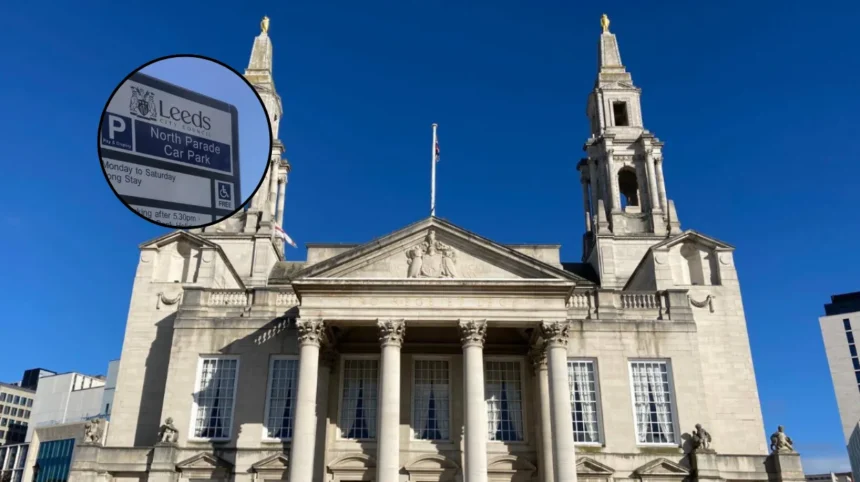
Otley (The Leeds Times) July 20, 2026 – A widening political rift has emerged in West Yorkshire as local ward politicians have launched a sharp rebuke against Leeds City Council, claiming the local authority has entirely “forgotten” the market town of Otley by omitting it from a critical, upcoming review of district centre parking tariffs.
Liberal Democrat Councillors Colin Campbell, Sandy Lay, and Ryk Downes, who collectively represent the Otley and Yeadon ward, issued the joint criticism after analyzing the published agenda for the Leeds City Council Executive Board meeting scheduled for July 22, 2026. The documents revealed a targeted plan by the executive team to reassess controversial parking fees implemented in various district centres back in October 2025, yet the geographical scope of the review noticeably bypassed the Otley area, specifically leaving out the highly debated parking zones on the Otley Chevin.
According to the local representatives, the complete removal of parking charges within community centres and natural beauty spots like the Chevin has remained at the absolute forefront of their post-election agenda following the local government transitions in May. The omission from the central council’s formal reassessment framework has sparked fears among community leaders that local economic and recreational interests are being sidelined by metropolitan decision-makers in Leeds.
Why are Otley Councillors Accusing Leeds City Council of Neglect?
The friction between the tier-one metropolitan borough council and the local Otley representatives highlights long-standing anxieties regarding how peripheral towns are managed within larger city networks. As documented in the official meeting agenda prepared for the executive body, Leeds City Council intends to look closely at the operational and economic impacts of the parking fees established during the autumn of 2025. However, because Otley’s specific parking frameworks do not fall under the exact category of the specific October 2025 roll-out being audited, the town has been excluded from any immediate fee mitigation or structural adjustments.
As reported by regional journalists covering the civic space, Councillors Campbell, Lay, and Downes have argued that treating district parking in such a compartmentalized manner ignores the ongoing financial pressures felt by Otley’s high street and its regional visitors. The ward councillors maintain that parking availability and fair pricing structures are crucial to maintaining the viability of market towns, which rely heavily on footfall from surrounding rural areas.
Which Parking Sites are Causing the Most Local Friction?
The primary flashpoint in the ongoing debate is the presence of parking fees at the Otley Chevin Forest Park. The Chevin serves as a major recreational hub for walkers, nature enthusiasts, and tourists across West Yorkshire. Local councillors argue that charging people to park at a natural reserve acts as a direct barrier to health, well-being, and community integration.
During the local election campaigns in May, the Liberal Democrat team explicitly prioritized the dismantling of these specific tariffs, viewing them as a regressive tax on outdoor exercise and local tourism. The discovery that the Executive Board’s July 22 review would not cover these green-space parking areas has left ward politicians claiming that the central administration is out of touch with the specific promises made to the electorate.
Background of the District Parking Scheme Development
The roots of the current dispute trace back to broader fiscal pressures faced by Leeds City Council, which led to a series of sweeping budget proposals aimed at generating revenue to offset rising operational costs in adult social care and children’s services. In October 2025, following a period of highly contested public consultations, Leeds City Council officially introduced and adjusted parking charges across multiple district centres and park car parks that had historically enjoyed free parking.
At the time of implementation, the central administration argued that the nominal fees were necessary to properly maintain infrastructure, manage car park congestion, and fund essential public services. However, the policy met immediate resistance from local business coalitions, shoppers, and ward politicians who warned that the charges would drive consumers away from traditional high streets toward out-of-town retail parks offering free parking. The upcoming July 22 Executive Board meeting was organized specifically to assess the first nine months of the scheme’s data, analyzing whether the revenue generated outweighed the subsequent pushback from local communities—though the tightly drawn parameters of this review have ultimately left Otley outside the scope of reassessment.
Prediction: How This Development Can Affect Local Motorists and the High Street Economy
The decision to exclude Otley from the imminent July 22 review is highly likely to prolong economic uncertainty for local shopkeepers and motorists within the Otley and Yeadon ward. By keeping the current parking fee structures frozen while neighboring districts undergo potential adjustments, Otley risks facing a sustained competitive disadvantage. Consumers seeking weekend shopping venues or afternoon leisure spaces may actively divert their trips to nearby localities where parking fees are either being lowered or dropped entirely as a result of the executive review.
For the everyday motorist and resident, this development means that relief from parking expenses at local hubs and the Otley Chevin will remain frozen for the foreseeable future. The continued presence of these charges could systematically alter visitor habits, shifting recreational footfall away from the Chevin toward free alternative green spaces in West Yorkshire. Politically, this omission will almost certainly intensify friction between ward councillors and the central Leeds leadership, potentially transforming parking access into a dominant battleground issue for subsequent local government budgets.