
If you are in immediate danger, call 999. For 24/7 confidential support in Garforth and across Leeds, call the Leeds Domestic Violence Service (LDVS) helpline on 0113 246 0401. LDVS offers emergency accommodation, safety planning, advocacy, drop-in sessions, and specialist support for all genders, families, and children.
- What should I do if I am in immediate danger?
- Who can I call for confidential 24/7 help in Garforth and Leeds?
- What support is available for women, men, and LGBT+ people in Garforth?
- How can I get help if I am an older person or have a disability?
- Where can I find face-to-face drop-in help near Garforth?
- What practical help can I get with housing, refuge, and safety planning?
- How do I report domestic abuse to the police and what happens next?
- What legal protections are available, such as non-molestation and restraining orders?
- How can I protect myself and my children at home and online?
- What support is available for children and young people affected by domestic abuse?
- How can friends, family, or neighbours help someone in Garforth?
- What are honour-based abuse and forced marriage, and where can I get help?
- What should I know about coercive control and non-physical abuse?
- How do I access health, mental health, and wellbeing support?
- What are my rights at work, and how can my employer help?
- What financial and benefits help is available if I leave an abusive partner?
- Where can I find local Garforth and Leeds services and contact details?
Domestic abuse is a pattern of controlling, coercive, threatening, degrading, or violent behaviour by a partner, ex-partner, family member, or household member. It includes physical, sexual, psychological, emotional, and financial abuse, as well as coercive control and technology-facilitated abuse. Garforth residents can access the full range of Leeds citywide services, plus local police and community resources.
This guide explains what to do in an emergency, how to contact specialist domestic abuse services in Garforth and Leeds, what support is available, how to stay safe at home and online, and how legal protections such as non-molestation orders and restraining orders work.
What should I do if I am in immediate danger?
Call 999 now if you or someone else is at risk of serious harm. If you cannot speak, press 55 on a mobile to alert police. If it is not an emergency, call West Yorkshire Police on 101 or report online.
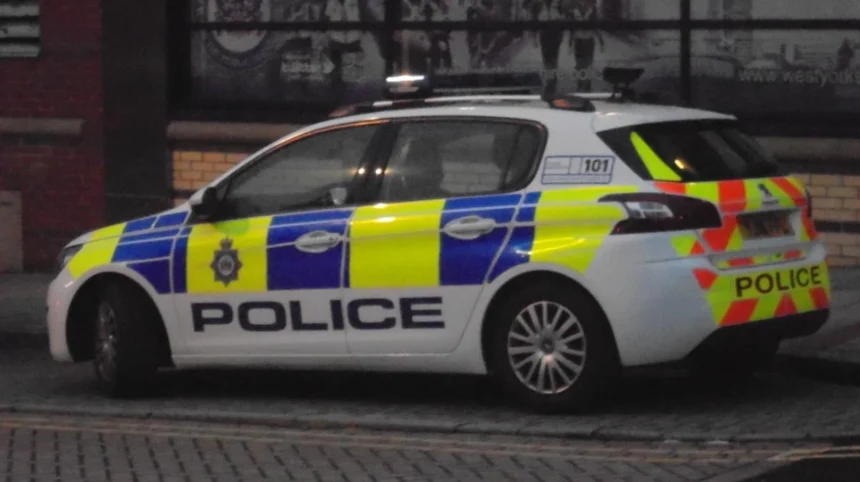
West Yorkshire Police treat all domestic abuse reports seriously and operate a zero-tolerance approach. Officers can arrest where a criminal offence is suspected and will take steps to prevent further harm. In Leeds, an average of 60 domestic incidents are reported to police every 24 hours, with around one in four involving children.
If you are in Garforth and fear immediate violence, move to a safe room if possible, lock doors, and call 999. If calling is unsafe, use the Silent Solution: call 999, stay silent, and press 55 when prompted on a mobile. Police can also attend based on third-party reports from neighbours, friends, or professionals.
For non-emergencies, ongoing threats, or to report previous incidents, call 101, visit a local police station, or use the West Yorkshire Police online reporting service. Always ask for a domestic abuse-trained officer or a Domestic Abuse Protection Officer if available.
Who can I call for confidential 24/7 help in Garforth and Leeds?
Call the Leeds Domestic Violence Service (LDVS) helpline on 0113 246 0401. The line is open 24 hours a day, 7 days a week, and calls are confidential and anonymous.
LDVS is the main citywide service for people in Leeds affected by domestic violence and abuse, including those in Garforth. Trained advisers listen, explain options, provide emotional support, and arrange practical help such as emergency refuge accommodation, safety planning, and advocacy. You do not need to be in a crisis to call.
LDVS also runs discreet drop-in sessions at various safe locations across Leeds on Tuesday to Friday. No appointment is needed. Call the helpline for current times and venues near Garforth. If calling is unsafe, LDVS offers a live online chat on its website, typically available Monday to Friday from 1pm to 4pm.
Email support is available via hello@ldvs.co.uk. All contact can be anonymous. If you prefer, you can also contact the National Domestic Abuse Helpline (Refuge) on 0808 2000 247, the Men’s Advice Line on 0808 801 0327, or Galop’s LGBT+ Domestic Abuse Helpline on 0800 999 5428.
What support is available for women, men, and LGBT+ people in Garforth?
Specialist services exist for all genders and communities. Leeds Women’s Aid, LDVS, Men’s Advice Line, and Galop provide gender-specific and identity-specific support, including refuge, advocacy, and emotional support.
Leeds Women’s Aid supports women and children experiencing domestic abuse, with a 24/7 helpline (0113 246 0401 via LDVS), online chat, and outreach. It offers practical advice, safety planning, refuge access, and groups for women recovering from abuse.
Men experiencing domestic abuse can call the Men’s Advice Line on 0808 801 0327 (Monday to Friday, 9am to 8pm). The service provides confidential advice, emotional support, and information on housing, legal options, and local resources. LDVS also supports men and works with all genders.
LGBT+ individuals can contact Galop’s National LGBT+ Domestic Abuse Helpline on 0800 999 5428. Galop offers specialist advice for lesbian, gay, bisexual, trans, and non-binary people, including those facing honour-based abuse or forced marriage. LDVS actively encourages LGBT+ clients and tailors support to individual needs.
How can I get help if I am an older person or have a disability?
Age UK Leeds offers a Sanctuary Support Scheme for older people and carers. LDVS and Behind Closed Doors adapt support for disabled people, including accessible safety planning and advocacy.
Older adults may face abuse from partners, adult children, or carers. Age UK Leeds runs domestic abuse services tailored to older people, including the Sanctuary Support Scheme, which provides practical safety measures, advice, and emotional support. Carers experiencing abuse can also access help.
Disabled people may face additional barriers such as reliance on the perpetrator for personal care, communication needs, or inaccessible services. LDVS and Behind Closed Doors work with disabled clients to create accessible safety plans, arrange interpreters or communication aids, and coordinate with social care and health services.
If you need adjustments, tell the adviser what you need: longer appointments, home visits, text or email contact, or support with transport. All services must make reasonable adjustments under the Equality Act 2010.
Where can I find face-to-face drop-in help near Garforth?
LDVS runs regular, discreet drop-in sessions across Leeds for women experiencing or at risk of domestic abuse. Call 0113 246 0401 for current locations and times near Garforth.
Drop-in sessions offer a safe space to speak to a specialist worker without an appointment. You can discuss your situation, explore options, and get help with safety planning, housing, benefits, and legal protections. Sessions are confidential and free.
Locations change to maintain safety and discretion. The helpline provides the latest schedule for Tuesday to Friday sessions across the city. If you cannot travel, ask about outreach or home visits. Some partners also offer community-based 1-to-1 support in neutral venues.
If you prefer a different service, Behind Closed Doors runs a Prevention and Recovery Service with face-to-face support. Call 0113 222 4562 or email preventionandrecovery@behind-closed-doors.org.uk to self-refer or ask a professional to refer you.
What practical help can I get with housing, refuge, and safety planning?
LDVS and partners can arrange emergency refuge accommodation, help with housing applications, and create personalised safety plans for you and your children.
Refuges offer safe, temporary accommodation for people fleeing abuse. Rooms are usually self-contained with shared facilities. Addresses are kept confidential. LDVS can assess your need and refer you to a refuge in Leeds or, if necessary, outside the city.
If you wish to stay in your home, LDVS and Age UK Leeds can help with target hardening measures such as extra locks, alarms, and window sensors. This is often called a “sanctuary scheme.” Workers also help with housing options, including council housing, private renting, and homelessness applications.
Safety planning covers day-to-day steps to reduce risk. This includes code words with friends, safe routes to work or school, keeping copies of important documents, and planning for pets. Workers can also advise on digital safety, such as removing spyware and changing passwords.
How do I report domestic abuse to the police and what happens next?
Report emergencies to 999 and non-emergencies to 101 or online. Police can arrest, charge, and apply for protective orders. You will be offered a Domestic Abuse Protection Officer and victim support.
When you report, an officer will take a statement and assess risk using a standard tool. High-risk cases may be referred to a Multi-Agency Risk Assessment Conference (MARAC), where police, probation, health, and specialist agencies share information to protect you and your children.
West Yorkshire Police can arrest where there is reasonable suspicion of an offence. They may also issue a Domestic Violence Protection Notice (DVPN), which gives immediate, short-term protection, followed by a Domestic Violence Protection Order (DVPO) applied for in court.
You will be assigned a Domestic Abuse Protection Officer or a dedicated contact where possible. You can also be referred to Independent Domestic Violence Advocates (IDVAs) via LDVS. IDVAs provide ongoing support through the criminal justice process and help you access civil remedies.
What legal protections are available, such as non-molestation and restraining orders?
You can apply to the Family Court for a non-molestation order to stop abuse, threats, and harassment. Breach is a criminal offence. Restraining orders are issued by criminal courts after charges or conviction.
A non-molestation order is a civil injunction under the Family Law Act 1996. It can prohibit the abuser from using or threatening violence, intimidating, harassing, pestering, or contacting you or your children. It can also ban them from coming near your home, workplace, or school. Orders usually last 6 to 12 months and can be extended.
You can apply yourself using Form FL401, with a supporting witness statement. In urgent cases, you can apply “without notice” so the abuser is not told in advance. Emergency orders can be granted for up to 28 days before a full hearing. Breach is a criminal offence with a maximum penalty of five years’ custody.
An occupation order, also under the Family Law Act 1996, decides who can live in the family home and can exclude the abuser. Restraining orders are made by criminal courts after a conviction or acquittal and prohibit specified conduct. Domestic Abuse Protection Orders (DAPOs) are newer civil orders that can impose broader conditions and are enforceable by police.
How can I protect myself and my children at home and online?
Create a safety plan with an LDVS adviser. Secure your devices, change passwords, and remove location sharing. Teach children a safe code word and identify safe rooms and exits.
Home safety includes physical and digital measures. Physically, secure doors and windows, install extra locks or alarms, and keep a charged phone in a safe room. Keep copies of important documents, some cash, and a bag with essentials in a hidden place or with a trusted person.
Online, assume shared devices may be monitored. Use a safe device such as a friend’s phone or a library computer to search for help. Change email and social media passwords, enable two-factor authentication, and remove unfamiliar devices from your accounts. Turn off location sharing on apps and social media.
For children, agree on a code word that means “call 999” or “go to the safe room.” Teach them how to call emergency services and where to go if they feel unsafe. LDVS can help you create age-appropriate safety plans and connect children to specialist support.
What support is available for children and young people affected by domestic abuse?
LDVS and partners offer specialist support for children and young people who witness or experience domestic abuse, including counselling, advocacy, and school-based help.
Around one in four domestic incidents reported to West Yorkshire Police involve children. Exposure to domestic abuse can cause trauma, anxiety, and behavioural changes. Children do not need to be physically harmed to be affected; witnessing abuse is harmful.
Specialist workers can meet children in safe settings, provide emotional support, and help them understand what happened without blame. Schools can put safeguarding plans in place, and children’s social care may become involved if risk is high. LDVS can refer children to counselling and group work.
Young people aged 16 and over can access adult domestic abuse services directly. Under-16s are supported through children’s services and specialist charities. If you are a young person in danger, call 999. For confidential advice, call Childline on 0800 1111 or LDVS on 0113 246 0401.
How can friends, family, or neighbours help someone in Garforth?
Listen without judgment, believe them, and avoid confronting the abuser. Help them contact LDVS on 0113 246 0401, offer a safe phone, and respect their choices.
Friends and family are often the first point of disclosure. Use open questions such as “Are you safe at home?” and avoid blaming language. Do not pressure them to leave; leaving is the highest-risk time. Instead, focus on safety planning and information.
Offer practical help such as a safe place to stay, a spare phone, or transport to appointments. If you suspect immediate danger, call 999. Neighbours can report noise, disturbances, or visible injuries to police. Third-party reports are taken seriously and can trigger safeguarding action.
Professionals such as GPs, teachers, and housing officers should contact LDVS for advice on referral and risk management. LDVS accepts self-referrals and professional referrals. Email hello@ldvs.co.uk or call the 24-hour helpline for guidance.
What are honour-based abuse and forced marriage, and where can I get help?
Honour-based abuse and forced marriage are forms of domestic abuse where families or communities use pressure, threats, or violence to control behaviour or force a marriage. Specialist help is available via LDVS, Karma Nirvana, and the Forced Marriage Unit.
Honour-based abuse includes threats, isolation, and violence to enforce cultural or religious expectations. Forced marriage is a marriage without full and free consent. Both are criminal offences. Victims may face travel abroad, passport confiscation, or threats to children.
Karma Nirvana runs a helpline on 0800 5999 247 (Monday to Friday, 9:30am to 5pm) for survivors of honour-based abuse and forced marriage. The Foreign, Commonwealth & Development Office’s Forced Marriage Unit can be reached on 020 7008 0151 (office hours) or out of hours via the FCO desk on 020 7008 1500.
LDVS and West Yorkshire Police work with these specialist services. If you fear forced marriage or honour-based abuse, contact LDVS or Karma Nirvana immediately. Do not confront the family alone. Keep your passport safe and avoid sharing travel plans.
What should I know about coercive control and non-physical abuse?
Coercive control is a criminal offence involving patterns of isolation, intimidation, and control. It includes financial abuse, monitoring, and restricting daily life. It is as serious as physical violence.
Coercive control became a criminal offence in 2015 under the Serious Crime Act. It includes isolating you from friends and family, controlling money, monitoring movements, and dictating what you wear or eat. Perpetrators may use children, pets, or immigration status to maintain control.
Financial abuse includes taking your wages, running up debts in your name, or denying access to bank accounts. Technology-facilitated abuse includes spyware, GPS tracking, and controlling social media. Evidence can include text messages, bank statements, and logs of incidents.
LDVS advisers can help you document abuse and build a case for police or court. Keep a safe diary of incidents, save messages, and take photos of injuries or damage. This evidence supports criminal charges, civil orders, and housing applications.
How do I access health, mental health, and wellbeing support?
Tell your GP or a health professional about the abuse. They can record injuries, refer to mental health services, and liaise with LDVS. For urgent mental health help in Leeds, call 0800 183 1485.
Domestic abuse has severe impacts on physical and mental health. GPs can document injuries, provide forensic examinations if needed, and refer to counselling, trauma therapy, or substance misuse services. They can also write letters to support housing or court applications.
Leeds Mental Wellbeing Service offers support for anxiety, depression, and trauma related to abuse. If you are in crisis, call the Single Point of Access on 0800 183 1485 or go to A&E. LDVS can coordinate with health services to ensure your care plan reflects your safety needs.
Sexual health clinics in Leeds offer confidential support for sexual violence and abuse. Getaway Girls supports women involved in or exiting sex work who experience abuse. Call 0113 245 5725. All health services must keep your information confidential unless there is a risk to life.
What are my rights at work, and how can my employer help?
You have the right to take reasonable time off for dependants in an emergency. Many employers offer domestic abuse policies, flexible hours, and security measures. Ask HR for support.
The Domestic Abuse Act 2021 introduced a statutory right to one week of unpaid leave for victims of domestic abuse in qualifying employment. This helps with court hearings, moving home, or attending appointments. Check your contract and staff handbook for enhanced policies.
Employers can help by adjusting hours, changing work email or phone numbers, enhancing building security, and liaising with police if the abuser contacts you at work. Some organisations have domestic abuse champions or links to LDVS for staff support.
If you fear attending work, speak to your manager or HR. They can implement a safety plan, such as escorting you to and from your car, screening calls, or allowing remote work. LDVS can advise employers on best practice and provide training.
What financial and benefits help is available if I leave an abusive partner?
You may be eligible for emergency housing benefit, Universal Credit, and discretionary housing payments. LDVS and Citizens Advice Leeds can help with applications and debt advice.
Leaving abuse often creates financial crisis. You can apply for Universal Credit, Housing Benefit, and Council Tax Support. If you are at risk of homelessness, the council must assess your needs and may provide temporary accommodation. Discretionary Housing Payments can help with deposits or rent arrears.
Citizens Advice Leeds offers free, confidential advice on benefits, debt, and employment rights. Call 0808 278 7878 or visit a local office. Ebor Gardens Advice Centre and Money Buddies also provide money guidance and budgeting support.
LDVS can help you access emergency funds, food banks, and essential items such as clothing and toiletries. They can also advise on child maintenance, tenancy rights, and protecting your credit rating if the abuser has run up debts in your name.

Where can I find local Garforth and Leeds services and contact details?
Start with LDVS on 0113 246 0401 or hello@ldvs.co.uk. For immediate danger, call 999. For non-emergency police help, call 101 or use the West Yorkshire Police online reporting service.
Key local services include:
- Leeds Domestic Violence Service (LDVS): 0113 246 0401 (24/7), hello@ldvs.co.uk, ldvs.uk
- Behind Closed Doors (Prevention and Recovery Service): 0113 222 4562, preventionandrecovery@behind-closed-doors.org.uk
- Age UK Leeds Domestic Abuse Service (Sanctuary Support): contact via LDVS or leeds.gov.uk
- Citizens Advice Leeds: 0808 278 7878, citizensadviceleeds.org.uk
- West Yorkshire Police: 999 (emergency), 101 (non-emergency), westyorkshire.police.uk
National helplines:
- National Domestic Abuse Helpline (Refuge): 0808 2000 247 (24/7)
- Men’s Advice Line: 0808 801 0327 (Mon–Fri, 9am–8pm)
- Galop LGBT+ Domestic Abuse Helpline: 0800 999 5428
- Karma Nirvana (honour-based abuse and forced marriage): 0800 5999 247 (Mon–Fri, 9:30am–5pm)
- Childline: 0800 1111 (24/7)
If you are in Garforth, all Leeds services apply to you. LDVS can direct you to the nearest drop-in, outreach worker, or specialist service. You do not need to prove abuse to access help. Your safety and choices come first.
If you need this information in another format or language, tell the adviser. Interpreters and accessible formats are available. You are not alone, and help is available now.