
Key Points
- Massive Turnout on Day Two: Thousands of music fans gathered at Bramham Park for the second day of the Leeds Festival, filling the arenas and camping grounds.
- Atmospheric Photo Gallery Released: A 23-picture gallery captures festival-goers enjoying the weather, performances, and overall site atmosphere.
- Diverse Crowd Engaged: Images document fans participating in music performances, socialising, and engaging with interactive site activations across multiple stages.
- Operational and Layout Adjustments: Event logistics were monitored by festival staff to maintain crowd safety and access across key viewing zones.
LEEDS (The Leeds Times) August 28, 2026 — Thousands of music enthusiasts filled the grounds of Bramham Park as the second day of Leeds Festival reached full capacity across its major performance arenas. Organisers and visual coverage teams captured 23 images detailing fan interactions, stage crowds, and site conditions, offering a comprehensive snapshot of the annual event’s progress.
What Happened During Day Two of Leeds Festival at Bramham Park?
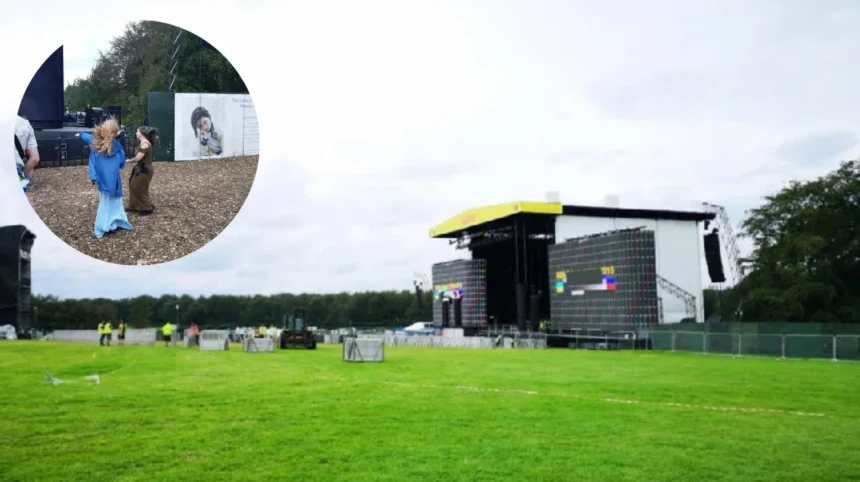
As reported by Craig Jones of LeedsLive, thousands of festival attendees packed into the primary Bramham Park arena to view the updated event footprint and witness live performances across multiple performance spaces. Festival management, overseen by Festival Republic Managing Director Melvin Benn, implemented structural layout updates to improve spectator flow and stage visibility across the site.
The newly published 23-picture photographic collection highlights attendees navigating the main arena pathways, participating in stage crowds, and making use of the on-site amenities. Photographs taken throughout the afternoon and evening document attendees engaging with various genre stages, including main-stage performances and tented venues.
Visual recordings from the venue depict attendees in detailed festival attire, participating in group gatherings across the grassy banks, and taking part in interactive sponsor activations located around the perimeter of the main stage enclosure.
How Did Attendees Experience the Event Grounds and Atmosphere?
As detailed by Mark Wheelwright of Leeds Living, audience members encountered a varied schedule of music and entertainment across the location, with crowds dispersing between the main stage, secondary tents, and food vendor zones.
Photographic evidence confirms that weather conditions remained manageable, allowing spectators to utilise open-air viewing spots across the site.
According to Adam Kennedy of The Northern Echo, festival-goers expressed strong engagement with the day’s programming, filling key areas well ahead of scheduled afternoon and evening performances. Reports indicated that security personnel and event wardens monitored crowd densities along major thoroughfares connecting the camping zones to the primary entertainment arenas.
The 23-picture gallery released from the event provides a full visual record for attendees seeking to identify themselves within the audience shots or view the overall turnout for day two activities.
Explore More Local Leeds News
Electric Press Leeds Redevelopment Proposed for Live Music Venue 2026
Overcast Skies and High Humidity Forecast for Leeds 2026
Background of the Development
Leeds Festival is an annual music event held at Bramham Park near Wetherby, West Yorkshire. Originally established as the northern counterpart to the Reading Festival, the dual-site event is managed by Festival Republic and stands as one of the largest music gatherings in the United Kingdom.
Over the years, the venue infrastructure at Bramham Park has undergone periodic reconfigurations to accommodate growing crowd capacities, enhanced stage production requirements, and improved safety measures.
The introduction of restructured stage areas, such as redesigned tent structures and multi-tiered main stage zones, reflects ongoing efforts by event planners to optimize site navigation and manage high-volume audience movement across the multi-day festival period.
Festival Impact and Audience Projections
The successful delivery of major festival operations at Bramham Park carries direct implications for attendees, event staff, local emergency services, and the regional economy.
For the thousands of ticket holders on site, established crowd management strategies and clear arena layouts ensure safer access to performance zones, reduced queuing times at amenities, and better movement between stages. Photographic documentation of large-scale attendance also reinforces the festival’s status as a central cultural event for youth and music culture in West Yorkshire.
For the surrounding Leeds and Wetherby communities, the influx of tens of thousands of visitors impacts local transport networks, council services, and regional business revenue.
Transport authorities rely on real-time crowd data and entry metrics to manage traffic flow along the A1(M) corridor. Concurrently, regional hospitality, retail, and public transport operators experience peak demand cycles tied directly to the operational footprint of the festival weekend.