Horsforth is a suburban district in north-west Leeds where everyday local life centres on Town Street, neighbourhood shopping areas, cafés, libraries, parks, community facilities, independent businesses and accessible transport. Its modern identity is closely connected to its historic village structure and established community networks.
- What is everyday local life like in Horsforth?
- Where can you experience the everyday commercial life of Horsforth?
- How can you explore Horsforth on foot?
- What can you do at Horsforth Hall Park?
- How does Horsforth Community Hub support local life?
- Which community spaces reveal local Horsforth life?
- How can you discover green and outdoor spaces beyond Hall Park?
- How does public transport connect Horsforth with everyday Leeds?
- What is a practical everyday Horsforth itinerary?
- Why is everyday local life important to Horsforth’s identity?
- How should visitors explore Horsforth respectfully?
- What makes Horsforth useful for a short local-life visit?
The area sits roughly six miles north-west of Leeds city centre. Horsforth Hall Park provides a major green space, while Horsforth Community Hub and Library combines public services, library facilities, free Wi-Fi and computers. Horsforth railway station provides a rail connection on the Harrogate Line.
For visitors, discovering everyday Horsforth means looking beyond conventional attractions. The useful experience is found in ordinary routines: buying something locally, sitting in a café, walking through established streets, using a community facility, visiting a park or following local transport links.
What is everyday local life like in Horsforth?
Everyday local life in Horsforth combines neighbourhood shopping, independent cafés, public services, green spaces, community facilities and residential streets. Town Street forms an important commercial and historic focus, while Hall Park, the library and nearby community spaces support ordinary daily activities.
Horsforth has a strong neighbourhood structure rather than a single-purpose visitor district. The historic core around Town Street remains commercially important, while New Road Side and Station Road also contain local services and businesses.
Leeds City Council’s Horsforth Neighbourhood Plan examined 291 shop units across the neighbourhood area in July 2016. The survey found that professional, financial, restaurant and café uses formed a significant part of the ground-floor commercial environment.
The same plan identifies local businesses, shopping centres, community facilities, green spaces and independent businesses as important parts of Horsforth’s identity. The plan was formally made by Leeds City Council in May 2020.
This makes Horsforth useful for travellers who want to observe ordinary neighbourhood life. A short visit can include a coffee, a local shopping stop, a library visit, a walk and time in a public green space without requiring a conventional tourist attraction.
Why does Horsforth feel like an established neighbourhood?
Horsforth developed as an independent settlement before becoming part of the wider Leeds urban area. Its historic street pattern, stone buildings and village centre remain visible in the modern district.
The Leeds conservation documentation identifies Town Street as the historic heart of Horsforth and describes it as the present commercial centre. The street contains buildings dating from the eighteenth century, alongside later structures and local community facilities.
This physical continuity helps explain why everyday activities remain closely connected to older parts of the settlement.
Where can you experience the everyday commercial life of Horsforth?
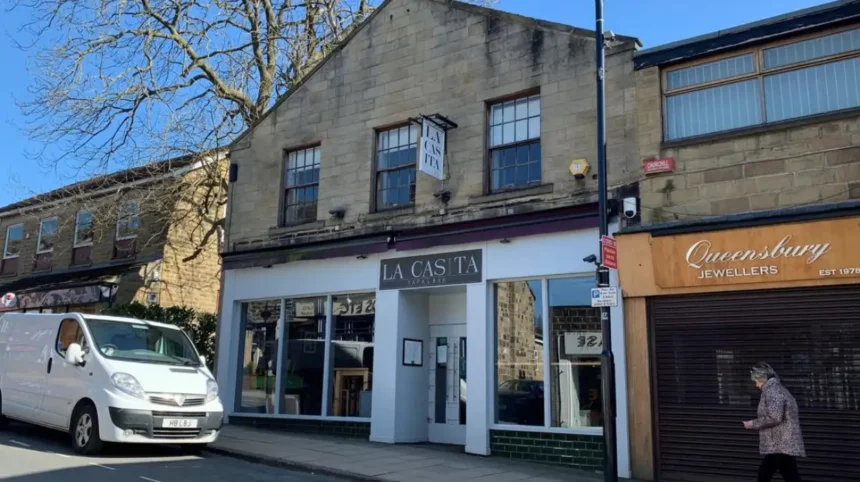
Town Street, New Road Side and Station Road provide the principal commercial areas for experiencing ordinary Horsforth life. They contain local retail, food, professional services and other neighbourhood businesses used by residents throughout the year.
Town Street is the clearest starting point for visitors interested in local routines. It combines commercial premises with older stone buildings and connections to the historic village centre.
New Road Side provides another concentration of neighbourhood businesses. Station Road adds a further commercial area close to Horsforth railway station.
The 2016 neighbourhood survey recorded 291 shop units across the wider neighbourhood area. It identified non-retail uses, professional services, restaurants, cafés and takeaway businesses as significant components of the commercial mix.
The data is historical rather than a current shop-by-shop inventory. Individual businesses change over time, but the underlying structure remains useful for understanding how Horsforth’s local economy works.
What should visitors look for on Town Street?
Town Street combines shops, food businesses, services and historic buildings within a relatively compact environment. Its gently meandering form and traditional stone architecture distinguish it from newer suburban shopping areas.
The street also provides access to Horsforth Community Hub and Library, making it possible to combine shopping with public services and cultural activity.
Visitors should treat Town Street as a place for ordinary observation rather than a checklist of attractions. Local cafés, small businesses, community notices, public buildings and pedestrian activity provide useful insight into how the district functions.
Where can you find local food and café culture?
Horsforth’s food and café scene forms part of its everyday commercial life rather than existing separately from the neighbourhood. Local cafés provide places for breakfast, lunch, coffee, informal meetings and short breaks.
Visit Leeds lists Truly Scrummy in Horsforth as a café producing food on site and supporting local suppliers. Its published information places it in LS18 and describes it as being in the heart of the Horsforth community.
The neighbourhood plan’s commercial survey also recorded restaurant and café uses across Town Street, New Road Side and Station Road.
For digital nomads and business travellers, cafés provide a practical way to experience the neighbourhood during a short daytime visit. Availability of seating, sockets, Wi-Fi and working policies varies between businesses, so these details should be checked directly before planning extended work sessions.
How can you explore Horsforth on foot?
Walking is one of the simplest ways to understand Horsforth because its historic centre, commercial streets, parks, community facilities and residential areas connect through an established local street pattern and public paths.
Horsforth’s historic development created a distinctive linear settlement pattern. The conservation appraisal identifies The Green and the southern part of Town Street as important parts of the medieval street pattern.
A practical walking route can begin around Town Street and continue towards The Green before reaching Horsforth Hall Park. Another route can connect Town Street with residential streets and community facilities.
Walking also reveals the relationship between old and new development. Stone cottages, later houses, commercial premises and modern services occupy the same wider neighbourhood.
Public rights of way add another layer to local exploration. In September 2026, Leeds City Council published a notice concerning the diversion of Horsforth public footpath number 50, demonstrating that the local public-path network remains an active part of neighbourhood planning and management.
How does Horsforth’s history shape everyday streets?
Horsforth appears in the Domesday Book of 1086 under historical forms of its name. Leeds City Council’s design documentation connects the settlement’s name with a possible horse crossing over water and records its later development around agriculture, industry and transport.
The medieval settlement pattern remains particularly visible around The Green and Town Street. Later industrial activity included clothing manufacture, while the settlement retained a comparatively village-like physical character.
As you explore the modern site, you are crossing land with a deep heritage. Read about the full [Insert Anchor Text for History Article Here] to understand its origins.
This historical layer matters because ordinary streets are themselves part of Horsforth’s heritage. A café, shop or bus stop on a modern commercial street can sit within a settlement pattern that developed over many centuries.
What can you do at Horsforth Hall Park?
Horsforth Hall Park is a major community park with walking paths, a cricket pitch, trim trail, Japanese garden, skate park, playgrounds and seasonal events. It provides everyday outdoor recreation for residents and visitors.
Leeds City Council describes Horsforth Hall Park as a large community park approximately six miles north-west of Leeds city centre. Its facilities include scenic walks, a cricket pitch, trim trail, Japanese garden, skate park and integrated play facilities.
The park also includes accessible paths and wheelchair-accessible entrances. Leeds City Council records two disabled parking bays in the main car park and an accessible integrated play area.
The park is therefore relevant to several types of visitor. Families use play facilities, walkers use paths, sports users use recreational facilities and individuals can use the green space for quiet outdoor time.
What makes the park part of ordinary local life?
Horsforth Hall Park is not simply a visitor attraction. It functions as a community asset used for routine recreation.
Leeds lists the site among its community parks and identifies Friends of Hall Park as a volunteer group supporting improvements. The council’s wider parks strategy also identifies parks as important local green spaces across Leeds.
The park’s combination of sport, walking, gardens and play means different activities occur within the same public space.
Visitors interested in everyday Horsforth should therefore spend time observing how residents use the park rather than limiting their visit to one facility.
How does Horsforth Community Hub support local life?
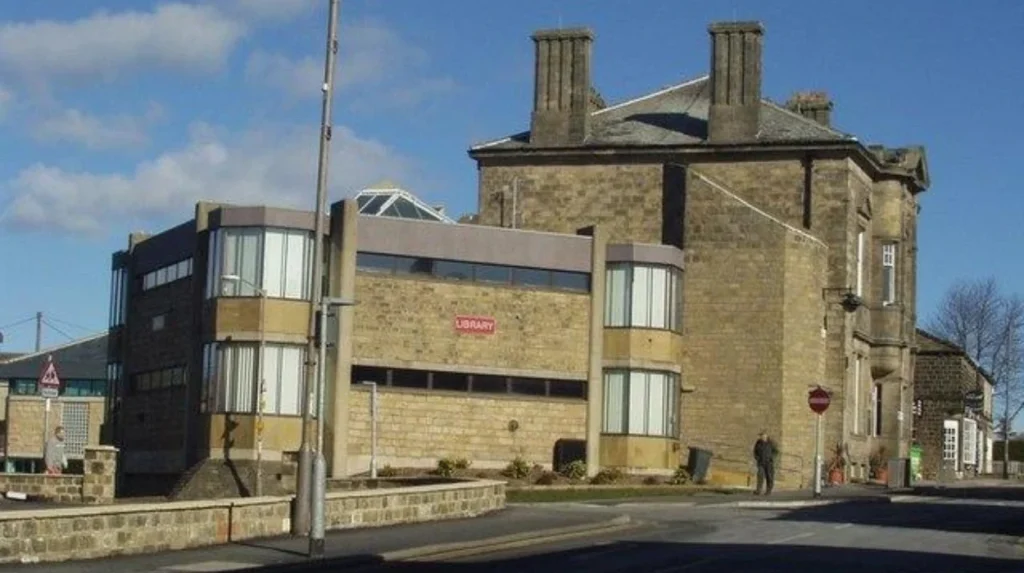
Horsforth Community Hub and Library combines public services, library facilities, computers, Wi-Fi, toilets, customer support and employment assistance in one Town Street location. It is one of the clearest places to observe practical community services.
The Horsforth Community Hub and Library is located on Town Street at LS18 5BL. Leeds City Council provides library and customer services from the building and offers free Wi-Fi and computer access.
The building operates as both a library and one-stop community facility. Customer services include support with council matters and local practical issues.
The jobshop also provides employment assistance. Leeds City Council states that the dedicated Horsforth jobshop operates on the first and third Wednesday of each month from 9am to 5pm without an appointment.
For visitors, the hub demonstrates an important distinction between tourist infrastructure and community infrastructure. It exists primarily to serve local residents, yet it also provides facilities relevant to short-term visitors, including internet access and public information.
Can digital nomads use Horsforth Library?
Horsforth Library provides free Wi-Fi and public computers with internet access. Leeds Libraries also records assistive technology on its public computers.
This makes the library relevant to visitors who need temporary access to basic digital facilities.
However, a public library is a shared community resource rather than a dedicated coworking office. Visitors should follow library rules, respect quiet areas and check current opening arrangements before planning a full working session.
Which community spaces reveal local Horsforth life?
Community spaces in Horsforth include the library, churches, meeting centres, activity rooms, parks and volunteer groups. These facilities support organised activities, local networks, recreation and community participation beyond commercial shopping areas.
Horsforth’s neighbourhood plan identifies community facilities as an important part of local infrastructure. The plan lists venues including Horsforth Village Museum, The Willows, Central Methodist Church, local Baptist churches, Anglican churches, St Mary’s Catholic Church, The Grove Centre and Hall Park Cricket Club.
The Grove Centre, located just off Town Street, describes itself as part of Horsforth community life and has operated in connection with local community activity for around 150 years.
These spaces demonstrate how neighbourhood identity extends beyond retail.
How do volunteer groups contribute to Horsforth?
Volunteer groups provide practical support for parks, woods and residential areas. Leeds City Council lists the Cragg Hill and Woodside Residents Group as an organisation working to conserve and enhance those parts of Horsforth. It also lists Friends of Hunger Hills Woods, which promotes the urban woodland and organises events and action days.
Volunteer activity provides a direct connection between residents and local environmental management.
For visitors, public volunteer information can identify community-led activities that are less visible than mainstream attractions.
How can you discover green and outdoor spaces beyond Hall Park?
Horsforth’s outdoor environment extends beyond Hall Park through smaller local green spaces, recreation grounds, public paths and Hunger Hills Woods. These spaces support walking, informal recreation, wildlife interest and community volunteering.
Leeds City Council’s parks byelaws schedule identifies Horsforth Hall Park as a community park and lists local green spaces and recreation grounds including The Green, Hall Lane, Newlay public open space, Woodside Recreation Ground, Cragg Hill Recreation Ground, King George’s Playing Fields and Stanhope Recreation Ground.
Hunger Hills Woods provides a different environment. It is an urban woodland on the edge of Horsforth supported by a local Friends group.
These smaller spaces matter because everyday neighbourhood life is distributed across the district. A visitor who only visits Town Street sees the commercial centre. A visitor who adds parks and residential green spaces sees how people use their local environment between shopping and work.
How does public transport connect Horsforth with everyday Leeds?
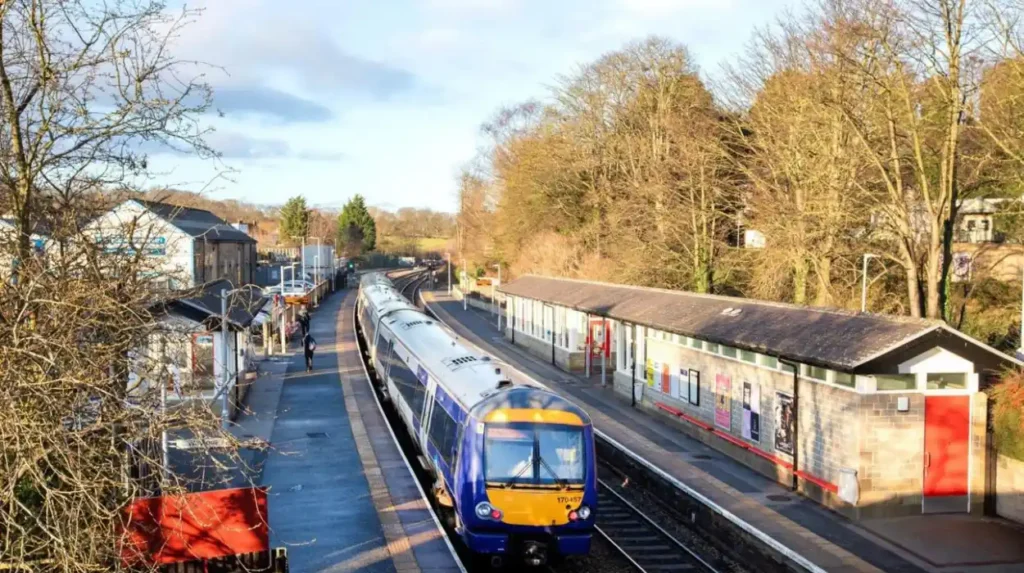
Horsforth railway station provides a direct rail connection on the Harrogate Line, while local roads and bus services connect the district with surrounding Leeds communities. The station also supports short visits focused on neighbourhood exploration.
Horsforth railway station is served by Northern’s York–Harrogate–Leeds route. Northern lists the station as having a ticket office, ticket machine, car park, cycle facilities, seating and step-free access to both platforms via the road bridge and ramp.
The station has 68 car-parking spaces and 14 cycle spaces according to Northern’s current station information.
For visitors, rail access makes Horsforth practical for a half-day or daytime neighbourhood visit.
The station itself is not the commercial centre. A useful local-life itinerary therefore combines transport arrival with walking towards the neighbourhood’s commercial streets and community facilities.
What is a practical everyday Horsforth itinerary?
A practical everyday Horsforth itinerary can combine the railway station, local streets, a café, Town Street, the Community Hub and Library, and Horsforth Hall Park. This approach prioritises ordinary neighbourhood experiences over a conventional attraction-based sightseeing schedule.
Begin at Horsforth railway station and walk towards the established commercial areas. Use Town Street as the main orientation point.
Stop at a local café for breakfast, lunch or coffee. Continue along the street to observe shops, professional services and historic buildings.
Visit Horsforth Community Hub and Library if its facilities suit your needs. The library provides computers and free Wi-Fi, while the wider hub offers public services.
Continue towards Horsforth Hall Park. The park provides walking routes, gardens, sports facilities and play areas.
A longer visit can include Hunger Hills Woods or another local green space. Community volunteers maintain and promote several outdoor sites in the area.
This route creates a balanced view of Horsforth because it covers commerce, public services, heritage, green space and transport.
Why is everyday local life important to Horsforth’s identity?
Everyday local life is central to Horsforth because the district combines an established historic settlement with modern shopping areas, community facilities, green spaces and transport connections. These elements create a functioning neighbourhood rather than a destination based only on visitor attractions.
The Horsforth Neighbourhood Plan specifically identifies shopping centres, independent businesses, built heritage, green spaces and wildlife habitats as components of local identity.
Its planning framework also addresses employment, shopping, community facilities, transport and the green environment as connected parts of the neighbourhood.
This approach provides useful context for visitors. The most representative Horsforth experience does not depend on a single landmark. It comes from seeing how different parts of the district operate together.
Town Street demonstrates the commercial and historic layer. The library demonstrates public services. Hall Park demonstrates recreation and green infrastructure. The railway station demonstrates regional connectivity. Volunteer groups demonstrate community participation.
Explore More Area Guide
Horsforth Best Places to Spend Time Alone
Horsforth Guide to Local Activities for New Residents
How should visitors explore Horsforth respectfully?
Visitors should treat Horsforth as a functioning residential community by using public spaces appropriately, supporting local businesses, respecting residents, following park and library rules, and checking current opening information before visiting specific facilities.
Horsforth is a residential district rather than an open-air attraction. Its streets, parks and community facilities serve residents every day.
Local businesses form part of the neighbourhood economy. Leeds City Council’s planning evidence shows strong community interest in supporting local businesses and maintaining viable shopping centres.
Visitors can contribute to this local economy through ordinary purchases such as coffee, food and locally provided services.
Public facilities require similar consideration. Library computers, Wi-Fi, park facilities and community venues are shared resources.
Opening hours and individual business arrangements change. Leeds City Council currently lists Horsforth Community Hub and Library as open Monday to Saturday with different daily hours, while Northern publishes separate operating information for Horsforth railway station.
Checking official information before travelling prevents unnecessary disruption.
What makes Horsforth useful for a short local-life visit?
Horsforth works well for a short local-life visit because several everyday experiences sit within the same neighbourhood: shopping, cafés, historic streets, public services, green spaces and rail access. Visitors can experience these elements without planning a large attraction-based itinerary.
The district provides enough variety for different travel purposes. Leisure travellers can combine cafés and walking with parks. Domestic business travellers can use a local café or library facility during downtime. Digital nomads can use public digital facilities for short tasks. Residents can use the same spaces for routine activities.
The key is to approach Horsforth as a neighbourhood first.
Its historic street pattern provides context. Its commercial centres provide everyday activity. Its community hub provides public services. Its parks provide outdoor space. Its railway station provides regional access.
Together these features explain why discovering ordinary local life is an effective way to understand Horsforth.
What should you remember about Horsforth?
Horsforth’s everyday character is built around the interaction of Town Street, local shopping areas, cafés, community facilities, public transport, parks, historic buildings and residential streets.
The area retains evidence of a settlement with medieval origins while operating as part of modern Leeds. Town Street remains an important commercial and historic focus, while Horsforth Hall Park and smaller green spaces provide everyday outdoor recreation.
For anyone seeking ordinary neighbourhood experiences, the strongest approach is simple: walk, shop locally, use public spaces responsibly, visit community facilities and observe how residents use the area.
That combination reveals Horsforth as a living Leeds neighbourhood rather than simply a place to pass through.
What is Horsforth known for?
Horsforth is known for its historic village character, Town Street, independent cafés and shops, Horsforth Hall Park, community facilities, green spaces and convenient rail connections to Leeds and surrounding areas.