Key Points
- Planning permission has been officially approved by Leeds City Council for the installation of new air conditioning units at the historic Pudsey Masonic Hall located on Church Lane. West Leeds Dispatch
- The building, which was established in 1901, faced excessive indoor temperatures during evening meetings over recent summers, prompting the application. West Leeds Dispatch
- A planning report submitted with the application colorfully described the interior climate during hot weather, stating that it felt like “sitting inside a radiator” due to subpar insulation absorbing daytime heat. West Leeds Dispatch
- The approved setup includes air conditioning units installed in the ground floor dining room and the first floor meeting room, powered by two external low-noise condenser units. West Leeds Dispatch
- Pudsey Masonic Hall is heavily utilised by the local community, hosting masonic meetings most weekday evenings, various community groups most days, and church services on Sunday mornings. West Leeds Dispatch
- According to the venue’s official website, the building also serves as a public function space bookable for conferences, parties, and weddings, accommodating a dining capacity of up to 100 people. West Leeds Dispatch
- A council planning officer’s report concluded that the project is acceptable in design, will improve spaces for community use, will not harm the Pudsey conservation area’s historic character, and will cause no unreasonable amenity impacts to neighbouring properties subject to standard conditions. West Leeds Dispatch
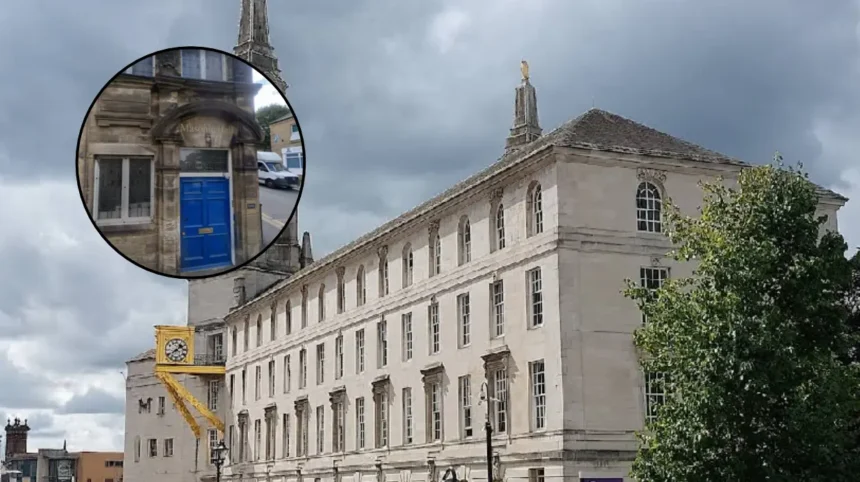
Pudsey (The Leeds Times) September 19, 2026 – Users of a historic masonic hall in West Yorkshire are set to benefit from new climate control technology designed to combat rising ambient temperatures during summer heatwaves. As reported by John Baron of the West Leeds Dispatch, formal planning permission has been granted by Leeds City Council allowing the property management to modernise parts of the century-old structure situated on Church Lane.
What Led to the Need for Air Conditioning at the 1901 Building?
Established back in 1901, the ageing structure has struggled to maintain comfortable indoor climates during intense summer weather spells. As outlined in documentation prepared for local government officials, building occupants experienced severe discomfort from excessive heat during evening gatherings across preceding summers.
As detailed in a planning report cited by John Baron of the West Leeds Dispatch, the structural limitations of the heritage property play a major factor in heat retention. The document stated that:
“Being an old building the insulation is not brilliant and with most of the meetings being held in the evening, the hot summer sun has time to heat the fabric and by the evening it’s like sitting inside a radiator.”
Where Will the New Air Conditioning Units Be Installed?
To tackle the indoor heat entrapment effectively, the approved architectural scheme targets the core functional zones of the property. Air conditioning units are scheduled to be fitted directly within the ground floor dining room alongside the primary first floor meeting room.
To maintain the architectural integrity and minimise external disturbance, these interior systems will be powered and serviced by two external low-noise condenser units positioned discreetly outside.
How Is Pudsey Masonic Hall Used by the Local Community?
Beyond traditional masonic gatherings, the facility functions as a busy multi-use community hub. The planning report emphasised the heavy regular footfall, noting that
“Pudsey Masonic Hall is used most weekday evenings for masonic meetings and most days for community groups, and Sunday mornings for a church service.”
Furthermore, public records and the hall’s official website indicate that the venue plays a wider role in local life, offering facilities that can be booked for private conferences, birthday parties, and wedding receptions with a maximum dining capacity reaching up to 100 guests. The filing notes clarify that
“The air conditioning is being installed primarily to overcome the excess heat within the building during the last two or three hot summers.”
What Did Leeds City Council Planning Officers Decide?
In evaluating the submission, local planning authorities assessed the impact of modern services on a designated heritage zone. A council planning officer’s evaluation report supporting the approval concluded:
“The proposal will result in improved spaces for the benefit of the community and those who will use the space within the property.”
Addressing conservation and neighborly concerns, the officer added that:
“The proposal is acceptable in terms of design, and will not result in any significant harm to the historic character of the Pudsey conservation area. It will not lead to any unreasonable amenity impacts for neighbouring residential properties, and will be subject to conditions to prevent such impact.”
Explore More Pudsey News
Pudsey Town Hall Sold to Manchester Developer: Pudsey 2026
Greenside Tunnel Tram Route and Greenway Plan in Pudsey 2026
Background of the Particular Development
The approval of air conditioning at Pudsey Masonic Hall reflects a broader, nationwide challenge facing heritage and Victorian-era civic structures across the United Kingdom. Built at the dawn of the 20th century, buildings from this era relied heavily on thick masonry, high ceilings, and natural cross-ventilation designed for a different historical climate profile. In recent years, the frequency and intensity of summer heatwaves driven by shifting climate patterns have exposed the vulnerabilities of older insulation and ventilation paradigms.
Properties constructed long before modern mechanical climate control systems became standard are increasingly forced to retrofit cooling infrastructure. Local planning authorities, such as Leeds City Council, are frequently tasked with balancing strict heritage conservation guidelines within designated conservation areas against the practical health, safety, and modern usability requirements of community spaces that host vulnerable or elderly groups during high-temperature weather events.
Prediction
This development sets a practical precedent for other heritage asset managers and community building trustees across West Yorkshire who are grappling with the impacts of rising summer temperatures. For the local community groups, church congregations, wedding parties, and masonic members who rely on Pudsey Masonic Hall, the introduction of climate-controlled environments guarantees year-round comfort and usability, safeguarding the building’s financial viability as a hired venue.
As extreme weather events become more recurrent, local audiences and regular facility hirers will likely see an acceleration of similar retrofitting projects across historic civic spaces, as historic venues are forced to adapt their physical infrastructure to remain functional and competitive against modern multi-purpose community centres.