

Key Points
- Event Purpose: Over 140 people completed a 10km night walk through Leeds to honour lost loved ones and support end-of-life care.
- Fundraising Impact: The event has raised more than £20,000, with final totals expected to top £21,000 for Sue Ryder’s palliative and grief support services.
- Key Beneficiaries: Funds raised directly benefit Sue Ryder Wheatfields Hospice as well as broader national bereavement programs.
- Community Support: Supported by the University of Leeds, participants departed from the university campus towards Headingley.
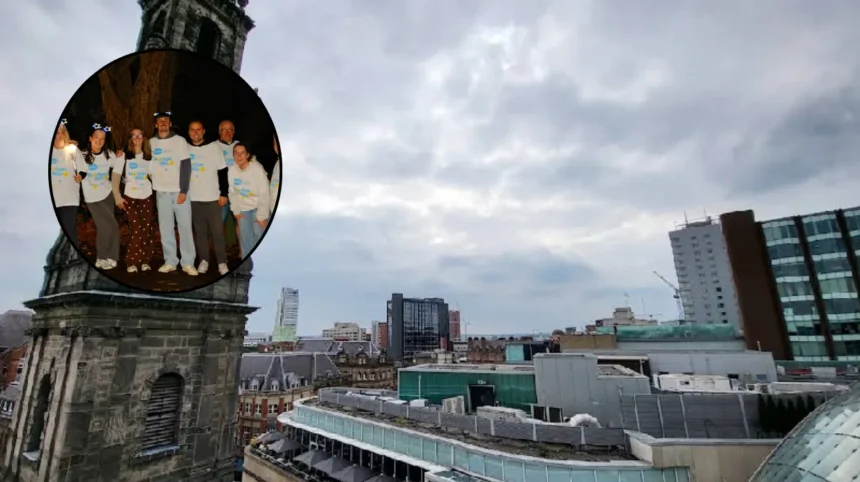
LEEDS (The Leeds Times) October 14, 2026 – More than 140 community members, families, and colleagues gathered to participate in Sue Ryder’s annual Starlight Hike Leeds, completing a 10km sponsored walk to honour the memory of late loved ones and raising more than £20,000 for specialist end-of-life and bereavement services.
- Key Points
- How Did the Leeds Starlight Hike Bring the Local Community Together?
- Where Will the Funds Raised by Walkers Be Allocated?
- What Impact Does Sue Ryder Wheatfields Hospice Have on the Region?
- Background of the Sue Ryder Starlight Hike Development
- What Does This Development Mean for the Local Community and Healthcare Sector?
Starting from the University of Leeds campus, which supported the initiative, participants followed a 10-kilometre route leading towards Headingley. Walkers took part to celebrate the lives of departed family members and friends while securing crucial funding for local healthcare initiatives. Event organisers project that final contributions will reach at least £21,000 once all pledges are fully collected.
The capital generated from the nocturnal walk will directly assist Sue Ryder in maintaining its expert palliative care provisions and grief support programs. A significant portion of these proceeds is allocated to Sue Ryder Wheatfields Hospice, ensuring that patients facing life-limiting conditions and families navigating grief receive comprehensive professional care.
How Did the Leeds Starlight Hike Bring the Local Community Together?
The Starlight Hike serves as a cornerstone annual event for the region, uniting individuals from across West Yorkshire in a shared experience of remembrance and philanthropy. Participants walked side by side through the evening, many wearing dedicated lanterns or personal tributes displaying the names of relatives and friends who had passed away.
Supported officially by the University of Leeds, the event provided a structured, safe route from the central university grounds out into Headingley.
The route allowed walkers an opportunity to reflect quietly or share stories with fellow participants, creating an atmosphere focused on mutual support, celebration of life, and community cohesion.
Where Will the Funds Raised by Walkers Be Allocated?
The financial contributions generated by the 140-plus participants are earmarked for Sue Ryder’s specialized hospice and healthcare provisions.
The primary beneficiary of the local effort is Sue Ryder Wheatfields Hospice, located in Headingley, which provides specialist medical treatment, emotional guidance, and practical assistance to individuals diagnosed with terminal illnesses.
Beyond direct hospice care, the money raised supports Sue Ryder’s wider network of grief services. These include free online bereavement counselling, community support groups, and family support resources aimed at helping individuals cope with the emotional impact of losing a family member or friend.
What Impact Does Sue Ryder Wheatfields Hospice Have on the Region?
Sue Ryder Wheatfields Hospice provides comprehensive, expert palliative care to patients across Leeds. The facility offers inpatient care, day services, and community care teams who visit patients within their own homes, ensuring tailored medical and personal assistance at every stage of a terminal illness.
Because healthcare delivery of this scale requires continuous investment, community fundraising events like the Starlight Hike play a fundamental role in maintaining these service levels. The expected total of £21,000 ensures that doctors, nurses, and care staff can continue providing compassionate care to local residents free of charge.
Explore More Local Leeds News
Leeds Council Seeks Public Views on City Centre Transport Strategy 2026
Leeds Public Health Urges Smokers to Quit During Stoptober Leeds 2026
Background of the Sue Ryder Starlight Hike Development
The Starlight Hike is a flagship national fundraising series organized by Sue Ryder, held annually in various cities across the United Kingdom. Designed as a night-time walking event, it offers communities a dedicated space to process grief together while actively raising funds for healthcare infrastructure.
Sue Ryder itself was founded in 1953 by Sue Ryder, Baroness Ryder of Warsaw, initially focusing on relief and housing for victims of war and persecution before evolving into one of the UK’s leading palliative care and neurological support charities.
Over the decades, the charity’s focus expanded to meet the growing need for specialized hospice care and bereavement guidance across England and Wales.
Events like the Leeds Starlight Hike were introduced to decentralize fundraising efforts, allowing local communities to directly fund the hospices serving their immediate geographic area, such as Wheatfields Hospice in Headingley.
By partnering with local institutions—such as higher education bodies like the University of Leeds—the charity secures location support, volunteer engagement, and operational routing, ensuring the event remains a fixture on the local calendar year after year.
What Does This Development Mean for the Local Community and Healthcare Sector?
This successful event directly impacts three key groups across the Leeds metropolitan area: local residents, vulnerable patients and their families, and the regional healthcare ecosystem.
For families currently accessing or likely to require end-of-life care, the funds raised ensure uninterrupted access to expert medical treatment, pain management, and dedicated nursing care. The provision of robust bereavement services also ensures that family members receive emotional support both during care delivery and long after a loved one has passed away.
Charity-funded palliative care facilities like Sue Ryder Wheatfields Hospice work in close coordination with the National Health Service (NHS). By providing specialized inpatient beds and community outreach teams, Wheatfields relieves pressure on regional NHS hospitals, such as Leeds General Infirmary and St James’s University Hospital. The £21,000 raised helps sustain this secondary layer of support, easing hospital admission rates for end-of-life care across West Yorkshire.
For the general public, events like the Starlight Hike normalize discussions around death, dying, and bereavement—topics that are often stigmatized or difficult to address. By providing a safe, structured space for collective remembrance, the initiative fosters community resilience and reinforces social support networks across Leeds.