Key Points
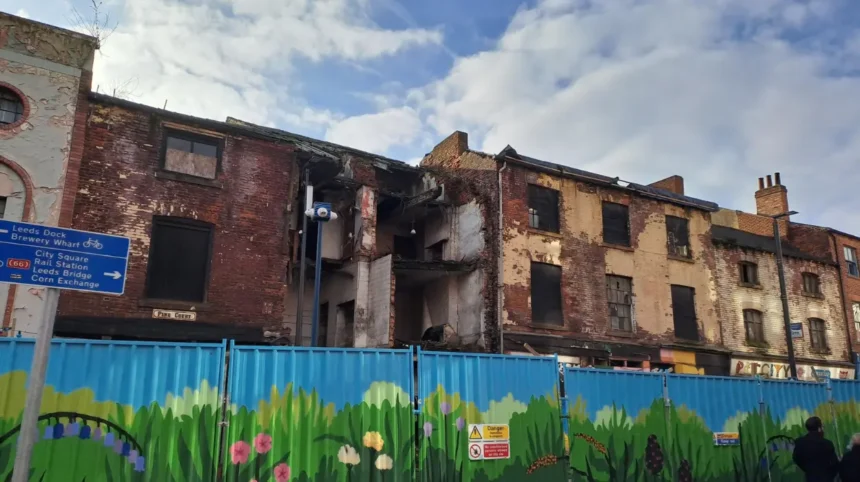
- Ongoing Road Closure: Lower Kirkgate, one of the oldest streets in Leeds city centre, has been closed to vehicle traffic since April 2024 following the partial collapse of an 18th-century heritage building.
- New Schedule Delays: Stabilization and repair work, which was provisionally scheduled to commence on Monday following months of delays, faces further hold-ups due to pending legal documentation regarding contract awards.
- Soaring Repair Costs: Leeds City Council stepped in to execute emergency intervention work after private owners failed to maintain or repair the structure. Estimated costs have escalated from £414,500 to £680,000.
- Local Business Frustration: Civic leaders and local traders have voiced deep frustration over the lingering progress, citing negative impacts on local commercial activity and street preservation.
- Project Timeline: Once work officially begins on-site, Leeds City Council estimates the structural repairs and stabilization phase will take approximately 20 weeks to complete.
Leeds (The Leeds Times) October 19, 2026 — Essential repair work to a partially collapsed historic building on Lower Kirkgate has encountered yet another setback, leaving one of Leeds’s oldest thoroughfares blocked to vehicular traffic for well over two years. The stabilization work on the 18th-century structure was provisionally set to begin on Monday following extensive preparatory measures; however, civic officials confirmed that unresolved legal documentation tied to the contract award will stall the physical start of construction until later this month.
As reported by BBC News, Martin Hamilton, Director of the Leeds Civic Trust, expressed serious concern regarding the continuous delays on the historic site. In his statement to media outlets, Mr Hamilton highlighted the urgent need for momentum:
“We need some pace, we need some speed and to see that things are happening – that brings confidence.”
The heritage site has remained cordoned off since April 2024, when the structural stability of the privately owned row of buildings failed. Leeds City Council felt compelled to step in and exercise compulsory statutory repair powers after the property owner declined to undertake necessary remediation, citing a “lack of funds”. Consequently, the financial burden for the intervention—initially budgeted at £414,500—has ballooned to £680,000. The local authority intends to recover these costs from the private property owners upon the project’s completion.
What Is the Council’s Official Stance on the Ongoing Procurement Delays?
In an official briefing regarding the latest schedule pushback, a spokesperson for Leeds City Council detailed the specific administrative hurdles currently holding back on-site machinery:
“Work was at one stage provisionally due to start on Monday but, as of Friday afternoon, some legal documentation relating to the contract award still has to be finalised. As a result, we now do not expect work to start on Monday but anticipate that it will begin before the end of the month.”
Addressing broader criticism regarding the length of the road closure and street disturbance, the spokesperson for Leeds City Council emphasized that responsibility for the structural integrity lies squarely with the private sector landlords.
According to reports published by the Local Democracy Reporting Service (LDRS) and BBC News, the council spokesperson clarified:
“It should be stressed that the situation on Lower Kirkgate is not of the council’s making, with the owners of the buildings allowing their condition to deteriorate over many years and then failing to take the necessary steps to address the resultant structural issues.”
The spokesperson added that by stepping in to directly oversee and execute the emergency engineering works, the local authority is acting to “arrest the deterioration of important heritage assets on one of Leeds’s oldest streets.” The council extended its gratitude to residents and local shopkeepers, stating:
“As always, we thank the local community for their continued patience and support.”
Municipal engineering assessments project that the complete stabilization phase will require roughly 20 weeks once ground crews officially commence site activities.
How Are Local Community and Business Leaders Reacting to the News?
Responding to the municipal update, Martin Hamilton of the Leeds Civic Trust noted that local businesses located along the Lower Kirkgate corridor have grown “very frustrated” by the repeated timeline revisions.
As covered in reporting by Don Mort of the Local Democracy Reporting Service, Mr Hamilton observed that while sporadic refurbishment efforts have occurred along parts of the street over the past decade, the structural gap caused by the collapse continues to undermine broader urban regeneration. Mr Hamilton pointed out that there remains a “big, gaping gap” at one end of the historic precinct, preventing the area from realizing its commercial and historical potential.
Stressing the urgency of getting physical repairs underway without further administrative hold-ups, Mr Hamilton stated:
“Time is of the essence, really. We have to try and make this work, and we have to try and do it in a way that is reasonably speedy – that’s not a word we have been able to apply to the situation in recent years.”
Background of the Lower Kirkgate Building Collapse
Lower Kirkgate holds distinction as one of the most ancient historical thoroughfares within the central boundary of Leeds, containing protected 18th-century architecture that reflects the city’s early industrial and mercantile heritage. In April 2024, structural failures led to a partial building collapse, spilling masonry onto the highway and prompting emergency services to cordon off the area.
Due to immediate public safety risks, vehicular transit through Lower Kirkgate was suspended. Over the subsequent months, complex legal discussions took place between municipal authorities and private ownership groups. Under statutory planning regulations, local councils possess powers to issue urgent works notices on listed or conservation-area properties when owners neglect essential maintenance. When the owners of the Lower Kirkgate parcel confirmed an inability to fund structural remediations, Leeds City Council initiated compulsory intervention procedures, absorbing initial capital requirements to avoid further catastrophic structural failure.
Prediction: How This Development Can Affect Local Stakeholders
The continued deferral of physical repair works and the prolonged road closure on Lower Kirkgate will directly impact several key demographic groups within Leeds:
- Local Independent Retailers and Business Owners: Extended access restrictions and heavy safety scaffolding reduce footfall across Lower Kirkgate, directly diminishing daily trade revenue for local merchants, cafes, and independent shops.
- Local Ratepayers and Taxpayers: With municipal repair budgets rising from £414,500 to £680,000, public funding is temporarily tied up in emergency intervention. Although legal mechanisms exist for the council to recoup costs from the private property owners upon completion, protracted litigation or owner insolvency could leave a burden on the municipal treasury.
- Urban Commuters and Transport Users: The continued blockage of Lower Kirkgate to vehicle traffic necessitates ongoing road diversions, creating minor traffic congestion along surrounding city centre arterial roads.
- Heritage Preservation Groups: Further delays heighten the vulnerability of exposed 18th-century brickwork to seasonal weather degradation, increasing the risk of structural deterioration before protective stabilization works are fully implemented.