Key Points
- A retro photo gallery featuring 17 images from the 1990s highlights shopping memories and street scenes in Morley.
- Featured locations include Cheapside, Chapel Hill, Queen Street, Commercial Street, Morley Market, Morley Bottoms, and Coffin Corner.
- The historical images are published courtesy of the David Atkinson Archive, stored on the Leodis website.
- Leodis is managed by the Leeds Library & Information Service, which also runs The Secret Library Leeds heritage blog showcasing special collections and rare archive materials.
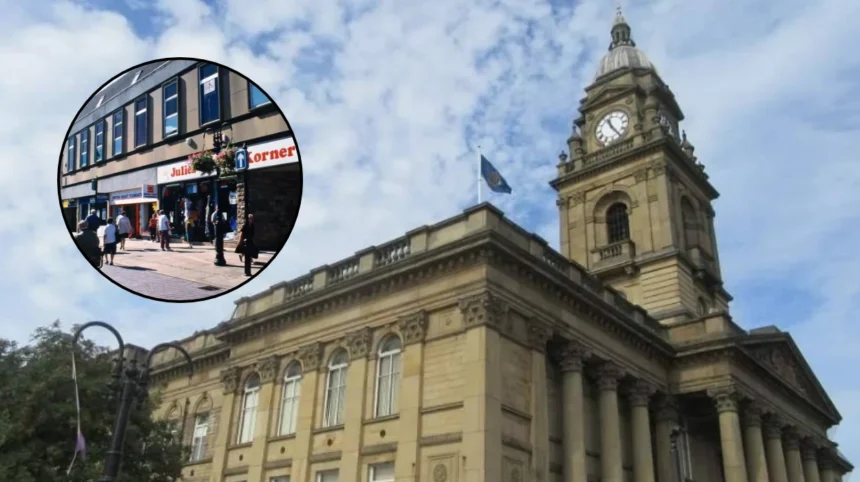
Morley (The Leeds Times) October 22, 2026 –A collection of 17 nostalgic photographs from the 1990s has showcased the retail landscape and social history of Morley, offering a visual record of how the town’s high street and landmarks appeared three decades ago. The retrospective features prominent thoroughfares, traditional shopping streets, and local focal points, inviting residents to compare past commercial life with the town’s current layout.
As reported by Leeds Mercury staff writer, the photo series brings into focus well-known areas such as Cheapside and Chapel Hill, detailing the independent storefronts and daily activity that defined the decade. Additionally, the collection captures broader streetscapes along Queen Street and Commercial Street, documenting the architectural evolution and commercial footfall of the era.
Which Local Landmarks Are Featured in the Historical Collection?
Beyond individual shopfronts, the photograph selection highlights several of Morley’s most recognizable civic and commercial landmarks. Images within the archive prominently showcase Morley Market, Morley Bottoms, and the area locally known as Coffin Corner, illustrating their roles as central hubs for community trade during the 1990s.
As reported by Leeds Mercury staff writer, these visual records are preserved and made publicly accessible courtesy of the David Atkinson Archive. The collection is hosted on Leodis, a photographic archive managed by the Leeds Library & Information Service.
How Does the Leeds Library & Information Service Preserve Local History?
The publication of the 1990s Morley gallery forms part of a broader local history initiative led by Leeds City Council’s library network. In addition to maintaining the Leodis database, the service operates a specialized heritage blog titled The Secret Library Leeds.
As reported by Leeds Mercury staff writer, this platform provides behind-the-scenes insights into the Central Library and highlights items from its special collections, including rare historical books and documents stored within its main stacks.
Explore More Morley News
New Leeds Bar Proposal and Morley Traffic Changes Leeds 2026
Yorkshire Water Starts £4.2m River Aire Project in Morley 2026
Background of the Morley Photographic Archive
The preservation of local photographic history in Leeds and its surrounding townships, such as Morley, relies heavily on digital archive initiatives developed over recent decades. Leodis, named after the ancient name for the Leeds region, was created by the Leeds Library & Information Service to digitize thousands of historical photographs, maps, and ephemera spanning from the 19th century to the modern era.
The David Atkinson Archive represents a significant sub-collection within this repository, capturing mid-to-late 20th-century urban developments, local businesses, and everyday social life across West Yorkshire. By making these historical images digitally accessible to the public, the local authority seeks to preserve regional heritage, support genealogical and civic research, and document the economic shifts within local town centres as traditional retail patterns changed over time.
Prediction: How This Development May Affect Local Residents and Historians
The ongoing publication and public access of historical photo archives from the 1990s is likely to influence local heritage engagement, urban planning discussions, and regional tourism in several ways:
- Increased Civic Engagement and Heritage Preservation: For long-standing residents of Morley, public retrospective galleries foster community identity and shared memory. The availability of clear visual records allows local history societies and civic groups to advocate for the conservation of historic shopfronts and town centre architecture.
- Informed Urban Regeneration: Local council planners and business improvement districts can utilize mid-to-late 20th-century streetscape records to evaluate how footfall and retail density have shifted. Understanding historical commercial layouts can inform future revitalization projects for areas like Morley Bottoms and Queen Street.
- Educational and Digital Archival Value: For researchers, students, and local historians, the continued digitization of archives like the David Atkinson Collection ensures uninterrupted access to primary source material without physical wear on rare documents, supporting educational projects on West Yorkshire’s economic development.