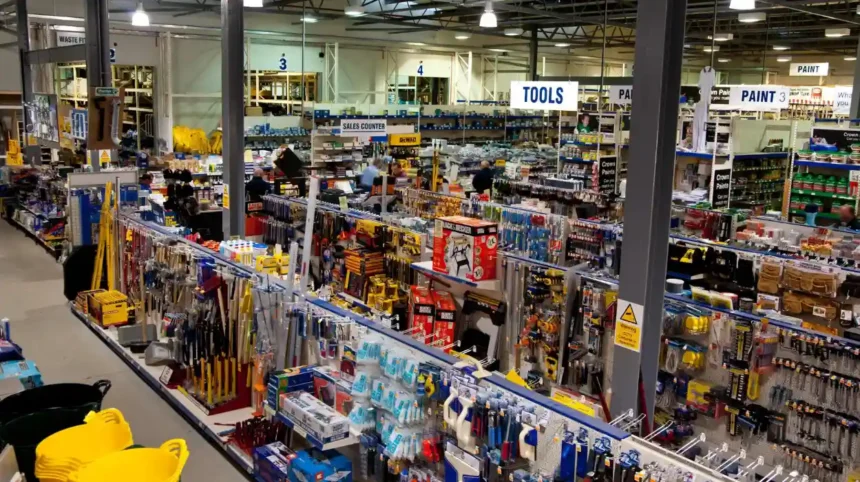
Headingley is a busy residential and commercial area of north-west Leeds with access to a broad range of home improvement and DIY supply shops. Visitors, residents, landlords and property owners can find retailers selling tools, decorating products, timber, fixings, plumbing supplies and other materials for repair and renovation projects.
- What home improvement and DIY supply shops are available near Headingley?
- Specialist decorating suppliers
- Independent DIY and timber suppliers
- Larger home improvement retailers
- Where should shoppers look for tools and hardware near Headingley?
- Where can shoppers buy paint and decorating supplies near Headingley?
- Where can visitors find timber and building materials for DIY projects?
- How can shoppers buy plumbing and electrical supplies safely?
- What should tourists and short-term visitors know before buying DIY supplies?
- How does Headingley’s location connect shoppers with Leeds’ wider DIY retail network?
- How can shoppers plan a home improvement project before visiting a supply shop?
- What are the environmental considerations when buying DIY and home improvement materials?
- Why are specialist DIY supply shops important to Headingley’s local economy and property market?
- What is the best way to choose a DIY supply shop near Headingley?
The shopping landscape extends beyond Headingley’s central streets into nearby areas such as Kirkstall, Woodhouse, Horsforth and Leeds city centre. This wider local network is important because different retailers specialise in different types of products. A decorating merchant focuses on paint and preparation materials, while a timber and builders’ supplier focuses on structural materials and larger projects.
For visitors staying in Headingley, local supply shops are useful for practical needs during longer stays. Residents and landlords also use the area’s retail network for routine repairs, property maintenance and refurbishment work. Understanding the types of retailers available helps shoppers identify the correct source before travelling.
What home improvement and DIY supply shops are available near Headingley?
Headingley has access to specialist decorating merchants, independent DIY suppliers, hardware retailers and larger home improvement stores. Together, these businesses supply tools, paint, timber, fixings, plumbing products and other materials needed for household maintenance, repairs, decoration and renovation projects.
A DIY supply shop sells products used for work that individuals complete themselves rather than employing a contractor for every task. DIY stands for do it yourself. The sector covers small maintenance jobs, such as replacing a screw or repairing a shelf, and larger improvement projects involving decorating, flooring, kitchens and garden structures.
Headingley itself sits close to several commercial areas with specialist retailers. This creates a practical shopping network rather than a single concentrated DIY retail district.
Specialist decorating suppliers
Decorating suppliers concentrate on paint, wallpaper, surface preparation and application equipment. Products commonly include interior paint, exterior coatings, primers, fillers, brushes, rollers, dust sheets and masking materials.
The Kirkstall and Woodhouse areas provide access to specialist decorating retail locations within the wider Headingley area. Specialist suppliers are particularly useful when a project requires a specific finish, paint system or colour-matching service.
A retailer’s official product range and current opening arrangements should always be checked before making a special journey. Stock changes according to seasonal demand and supplier availability.
Independent DIY and timber suppliers
Independent suppliers provide an alternative source for practical building and maintenance materials. Their ranges often combine timber, joinery products, hand tools, fixings, decorating goods and garden supplies.
Woodlands DIY Store in Horsforth is one example within the wider Leeds supply network. The business traces its origins to 1913 and supplies timber, building materials, joinery products, decorating goods, gardening supplies and general DIY products. Its location beside Horsforth railway station also makes it accessible from Headingley and other north-west Leeds communities.
Independent suppliers are particularly relevant when a project requires timber cut to a particular size or when shoppers need products from several related categories.
Larger home improvement retailers
Larger DIY stores generally stock extensive product ranges for domestic improvement. Their departments often include kitchens, bathrooms, decorating materials, tools, electrical products and garden supplies.
B&Q operates large stores elsewhere in Leeds, including locations at Killingbeck and Beeston. The Killingbeck branch lists services including paint mixing, timber cutting, Click + Collect and showroom displays for kitchens and bathrooms. These services support projects that require more than basic household supplies.
The most suitable retailer depends on the size of the project, the products required and the transport available to the shopper.
Where should shoppers look for tools and hardware near Headingley?
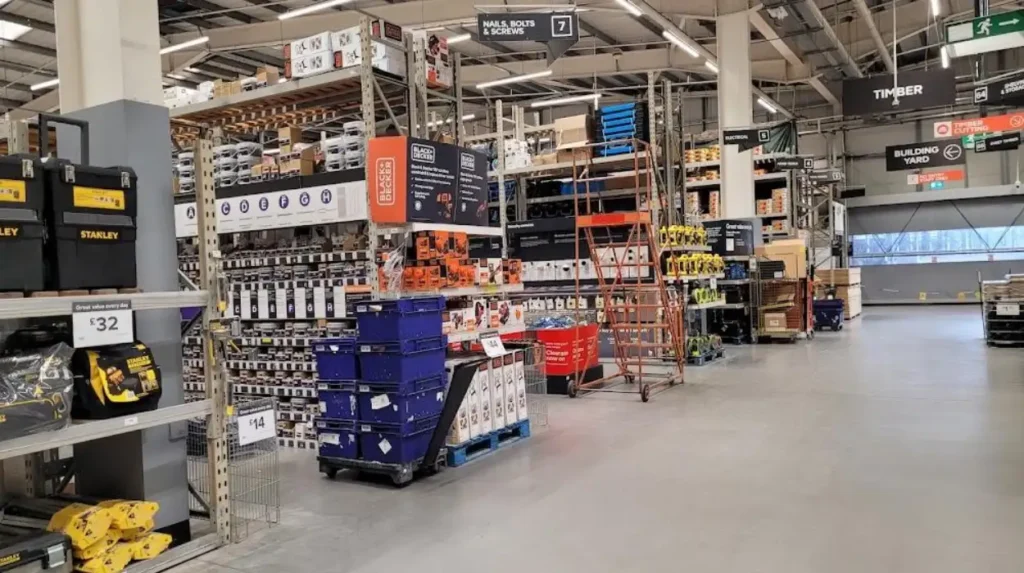
Tools and hardware are available through specialist suppliers, independent DIY retailers and larger home improvement stores around Headingley. Shoppers should select retailers according to the required tool type, project scale, product availability and whether they need consumables, fixings or replacement parts.
Tools are equipment used to perform a practical task. Hand tools include hammers, screwdrivers, saws and spirit levels. Power tools use electricity or batteries and include drills, sanders and circular saws.
Hardware refers to practical components used in construction, repair and installation. Examples include screws, nails, bolts, hinges, brackets and door furniture.
Choosing hand tools
Hand tools are suitable for many small household tasks. A basic toolkit often contains a claw hammer, screwdrivers, adjustable spanner, tape measure, utility knife and spirit level.
The correct tool reduces damage to materials and improves accuracy. A screwdriver should match the screw head. A drill bit should match both the required hole size and the material being drilled.
Projects involving several types of material require different equipment. Wood, masonry and metal use different drill bits and cutting methods. Product packaging and manufacturer instructions provide important compatibility information.
Choosing power tools
Power tools are used for repetitive, heavy-duty or precision work. Common examples include cordless drills, impact drivers, orbital sanders and jigsaws.
Battery-powered tools are useful where a mains electricity supply is unavailable. Corded tools provide continuous power when an appropriate electrical supply is available.
Safety equipment is part of responsible tool purchasing. Projects involving cutting, drilling or sanding often require protective equipment such as safety glasses, gloves and respiratory protection suited to the task.
Where can shoppers buy paint and decorating supplies near Headingley?
Headingley shoppers can access specialist decorating merchants and wider DIY retailers for paint, wallpaper, fillers, preparation products and application equipment. Specialist suppliers provide focused product ranges and colour services, while larger stores combine decorating materials with broader home improvement products.
Decorating is one of the most common forms of home improvement. It includes preparing surfaces and applying finishes that protect or alter walls, ceilings, woodwork and exterior surfaces.
A complete decorating project usually has three stages: preparation, application and finishing. Examples are filling cracks before painting, applying paint with a roller, and sealing edges after wallpaper installation.
Preparing surfaces
Surface preparation determines the condition of the finished work. Preparation products include fillers, abrasives, primers and cleaning products.
A filler repairs small holes and cracks. Abrasive paper smooths uneven surfaces. A primer prepares a surface for a subsequent coating and improves the consistency of the final finish.
Different surfaces require different products. Bare plaster, timber, metal and previously painted walls have different preparation requirements.
Selecting paint
Paint is selected according to the surface and the environment. Interior wall paint is designed for internal surfaces, while exterior coatings are formulated to withstand outdoor conditions.
Finishes also affect the appearance and practical performance of a surface. Examples include matt finishes for low-sheen walls, satin finishes for a moderate sheen and gloss finishes for highly reflective surfaces.
Specialist decorating retailers can provide colour mixing and professional-grade products. Aireborough Decorating Centre, which serves areas including Headingley from its Guiseley location, lists colour mixing and a range of decorating materials and accessories.
Shoppers should calculate the area to be painted before buying materials. Paint coverage information on the container provides the manufacturer’s estimate of the surface area covered by a specified volume.
Where can visitors find timber and building materials for DIY projects?
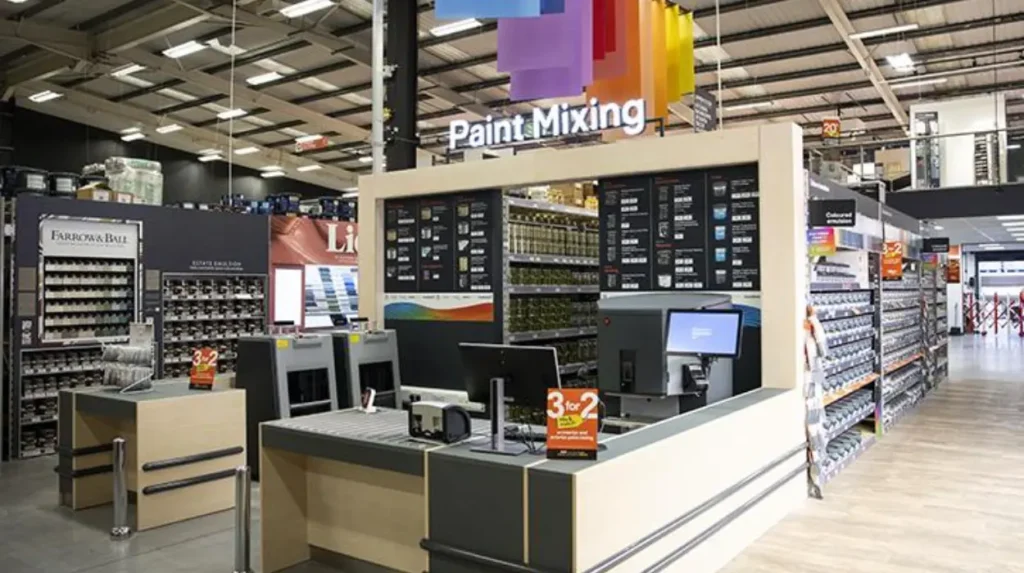
Timber and building materials are available through specialist merchants, independent DIY suppliers and larger retailers across the Leeds area. Shoppers should identify the material dimensions, quantity and intended use before purchasing products for repairs, joinery, construction or renovation.
Timber is a core material for many home improvement projects. Common uses include shelving, framing, fencing, flooring and joinery.
Building materials cover products used to construct, repair or improve buildings. Examples include timber, plasterboard, insulation, cement-based products and sheet materials.
Understanding timber products
Timber products vary by size, finish and intended purpose. Examples include planed timber for visible joinery, sheet materials for panels and structural timber for supporting construction work.
Measurements are important. A project should establish the required length, width and thickness before materials are purchased.
Retailers that offer cutting services can help shoppers obtain practical lengths for transport and project preparation. Larger DIY stores also provide access to timber and sheet materials alongside other household products.
Planning material quantities
Accurate quantity planning reduces waste and prevents unnecessary repeat journeys. Measurements should be recorded before shopping.
A project involving a wall, floor or garden structure requires an area calculation. A linear project, such as a run of shelving, requires length measurements.
Shoppers should also account for offcuts and fitting requirements. Complex projects benefit from a written material list that separates structural products, fixings and finishing materials.
How can shoppers buy plumbing and electrical supplies safely?
Plumbing and electrical supply shops provide products for maintenance and installation, but shoppers must understand legal and safety requirements. Simple repairs use replacement components, while work involving fixed electrical systems, gas installations and major plumbing requires appropriately qualified professionals.
Plumbing products manage the movement and use of water. Common household components include taps, pipe fittings, valves and waste connections.
Electrical products distribute or control electricity. Examples include switches, sockets, cables and lighting accessories.
The suitability of a product depends on the existing system and the nature of the work.
Plumbing supplies for routine maintenance
Routine maintenance products include washers, seals, pipe fittings and basic hand tools. These products support minor repairs where the work can be completed safely and without altering regulated systems.
A replacement part must match the existing component. Measurements and connection types should be checked before purchase.
Water should be isolated where necessary before work begins. Manufacturer instructions provide product-specific installation information.
Electrical safety and professional work
Electrical work carries risks of electric shock and fire. Fixed electrical installations require careful assessment and compliance with applicable safety requirements.
Home improvement retailers sell electrical accessories, but purchasing a product does not remove the need for competent installation. Work on consumer units, fixed circuits and other complex installations requires appropriate knowledge and, in relevant circumstances, a qualified electrician.
Product labels, instructions and applicable building requirements should be checked before electrical work begins.
What should tourists and short-term visitors know before buying DIY supplies?
Visitors staying in Headingley should choose supplies that match the immediate task and their available transport. Small repair products are easy to carry, while timber, large tools and bulky materials require delivery, collection services or suitable vehicle access.
Headingley attracts visitors through its accommodation, sporting venues, restaurants and access to Leeds. Some visitors also stay for extended periods in rented accommodation or while working in the city.
Practical maintenance needs can arise during longer stays. Small purchases such as picture hooks, replacement bulbs, tape, batteries and basic tools are easier to transport than large renovation materials.
Check accommodation responsibilities
Visitors should establish who is responsible for repairs before carrying out work in rented accommodation.
Landlords and property managers often have specific procedures for reporting maintenance problems. Structural repairs and work affecting permanent fixtures should not be undertaken without appropriate permission.
Small temporary products differ from permanent alterations. Examples of temporary items include removable hooks and basic household supplies, while permanent alterations include drilling into walls or replacing fixed fittings.
Consider transport and delivery
The weight and dimensions of materials affect transport planning. A small toolkit can be carried easily, while long timber boards require a suitable vehicle or delivery service.
Some retailers offer Click + Collect. This service allows shoppers to order products before travelling to the store. Delivery services are useful for bulky products, particularly when visitors do not have access to a car.
Opening hours and collection arrangements change over time, so shoppers should confirm details directly with the retailer.
How does Headingley’s location connect shoppers with Leeds’ wider DIY retail network?
Headingley’s position in north-west Leeds provides access to local suppliers and larger specialist retail areas. This wider network allows shoppers to source everyday repair items nearby while travelling to specialist merchants for timber, decorating products and large renovation materials.
The practical geography of home improvement shopping extends beyond one neighbourhood. Different commercial areas have developed around different types of retail and industrial activity.
Headingley has strong road and public transport connections with surrounding parts of Leeds. This supports access to Kirkstall, Horsforth, Woodhouse and the city centre.
For shoppers, this means the nearest store is not always the most appropriate store. A specialist supplier can provide a more focused range for a particular project.
Local shopping for immediate needs
Local retailers are useful for urgent and low-volume purchases. Typical examples include screws, adhesive, filler, batteries and replacement household items.
Convenience is particularly important when a project stops because one component is missing.
A written shopping list helps identify which products can be purchased locally and which require a specialist supplier.
Specialist shopping for larger projects
Larger projects require more planning. Examples include redecorating several rooms, building fitted storage and replacing substantial areas of flooring.
Specialist merchants often carry wider ranges within a single product category. A decorating supplier focuses on coatings and preparation products, while a timber merchant concentrates on wood and related construction materials.
As you explore Headingley’s modern shopping and residential landscape, you are also moving through an area shaped by Leeds’ long-term growth. Read about the full [Insert Anchor Text for Headingley History Article Here] to understand its origins.
How can shoppers plan a home improvement project before visiting a supply shop?
A successful DIY shopping trip starts with accurate measurements, a defined project scope and a complete material list. Planning separates essential products from optional upgrades and helps shoppers select compatible tools, fixings, finishes and safety equipment before spending money.
Project planning begins by defining the task. A decorating project differs from a plumbing repair because the materials, tools and safety requirements are different.
The next stage is measurement. Dimensions should be recorded before buying products.
Create a material list
A material list identifies every product required for the project. The list should separate materials into functional groups.
For a decorating project, these groups include preparation products, paint and application equipment. Examples are filler and abrasive paper for preparation, wall paint for finishing and rollers for application.
For a shelving project, the groups include structural materials, fixings and tools. Examples are timber boards, brackets and screws.
Check product compatibility
Products must work together. A paint system can require a particular primer. A fixing must suit the wall material. A drill bit must suit the surface.
Compatibility information is normally provided by manufacturers and retailers. Product instructions should be read before purchase and installation.
Checking compatibility before travelling also reduces unnecessary returns and repeat shopping trips.
What are the environmental considerations when buying DIY and home improvement materials?
Home improvement shopping creates environmental impacts through material production, transport, packaging and waste. Shoppers can reduce unnecessary waste by measuring accurately, buying suitable quantities, reusing serviceable materials and following local rules for recycling and disposing of construction products.
Waste management is an important part of home improvement. Projects produce packaging, offcuts, old fixtures and unused materials.
Accurate planning reduces the amount of surplus material. Reusable products can remain in service rather than being discarded.
Reuse suitable materials
Some household materials retain value after removal from a property. Examples include usable timber, furniture, doors and fixtures.
Reuse extends the working life of products and reduces demand for replacement materials.
Products should be assessed for safety and condition before reuse. Damaged structural or electrical products require appropriate handling rather than informal reuse.
Dispose of materials correctly
Different materials require different disposal methods. Paint, chemicals, electrical products and construction waste should not automatically be placed in general household waste.
Leeds residents should consult current local authority guidance before disposing of renovation waste. Collection and recycling arrangements change, and some materials have specific handling requirements.
Explore More Area Guide
Headingley Butchers and Specialist Food Shops Guide
Headingley Fresh Produce and Seasonal Food Shopping Guide
Why are specialist DIY supply shops important to Headingley’s local economy and property market?
DIY and home improvement retailers support routine property maintenance, renovation and refurbishment across Headingley and Leeds. Their supply chains connect households, landlords, tradespeople and visitors with materials needed to maintain buildings, improve accommodation and support practical local economic activity.
Property maintenance requires a continuous supply of practical products. Small repairs occur throughout the year, while renovation activity often involves larger purchases.
Retailers support both professional and non-professional customers. A tradesperson purchases materials for contracted work, while a resident purchases products for personal maintenance.
Supporting property maintenance
Regular maintenance helps buildings remain functional. Common maintenance activities include redecorating, repairing fittings and replacing worn components.
Access to local supplies reduces the time between identifying a problem and obtaining the required materials.
For landlords and property managers, supply availability is particularly important because maintenance work affects tenants and the condition of rental properties.
Supporting wider Leeds commerce
DIY retailers form part of a wider construction and property economy. Manufacturers produce materials, distributors move products and retailers supply customers.
Headingley’s connection with the wider Leeds urban area gives shoppers access to different levels of the supply chain. Local shops provide convenience, while specialist and large-format retailers support more substantial projects.
This structure is likely to remain relevant as existing homes require continued maintenance and refurbishment.
What is the best way to choose a DIY supply shop near Headingley?
The best DIY supply shop depends on the project, product specification, quantity and transport arrangements. Local retailers suit immediate purchases, specialist merchants suit focused product requirements, and large home improvement stores provide broad ranges for multi-stage household projects.
Shoppers should start with the product rather than the store name. Identifying the exact requirement creates a more efficient search.
A shopper needing one replacement screw has different needs from someone purchasing materials for a complete room renovation.
The first step is to define the project. The second step is to list the required products. The third step is to identify retailers that stock those product categories.
Current stock, opening times, collection services and delivery options should then be checked directly before travelling.
Headingley’s access to independent suppliers, specialist decorating merchants and Leeds-wide home improvement retailers provides a practical network for visitors and residents. From basic household maintenance to larger refurbishment work, understanding the local supply structure helps shoppers find the right products, plan purchases accurately and complete projects more efficiently.
Where can I buy DIY supplies near Headingley, Leeds?
You can find DIY supplies through independent retailers and specialist merchants near Headingley, as well as larger home improvement stores in Leeds. Options include Woodlands DIY Store in Horsforth and B&Q branches elsewhere in Leeds.