Leeds is recognised as one of the UK’s greenest major cities, and its parks offer year‑round space for walking, sport, family time and reconnecting with nature. The city’s flagship green spaces combine historic landscapes, lakes and woodlands with modern play areas and events, making them ideal evergreen recommendations for locals and visitors alike.
Why Leeds parks matter
Leeds City Council manages thousands of hectares of public green space, including large “destination” parks and smaller neighbourhood gardens and woodlands. This network supports everyday wellbeing, from quick lunch‑break walks near the city centre to full‑day outings on the edge of the countryside. A long‑term strategy for parks and green spaces focuses on quality, accessibility and climate resilience, helping to ensure that today’s children and future generations can enjoy the same landscapes.
Roundhay Park
Roundhay Park in north‑east Leeds is one of the largest urban parks in Europe, with more than 700 acres of lakes, woodland, gardens and open fields. Its history as a former hunting park and later landscaped estate has left a rich pattern of water features, formal gardens and long vistas that attract almost a million visitors each year. Today, people come to walk around Waterloo Lake, explore Soldiers’ Field, visit Tropical World and Canal Gardens, or attend major concerts and community events that make the park a focal point in the city’s cultural calendar.
Temple Newsam
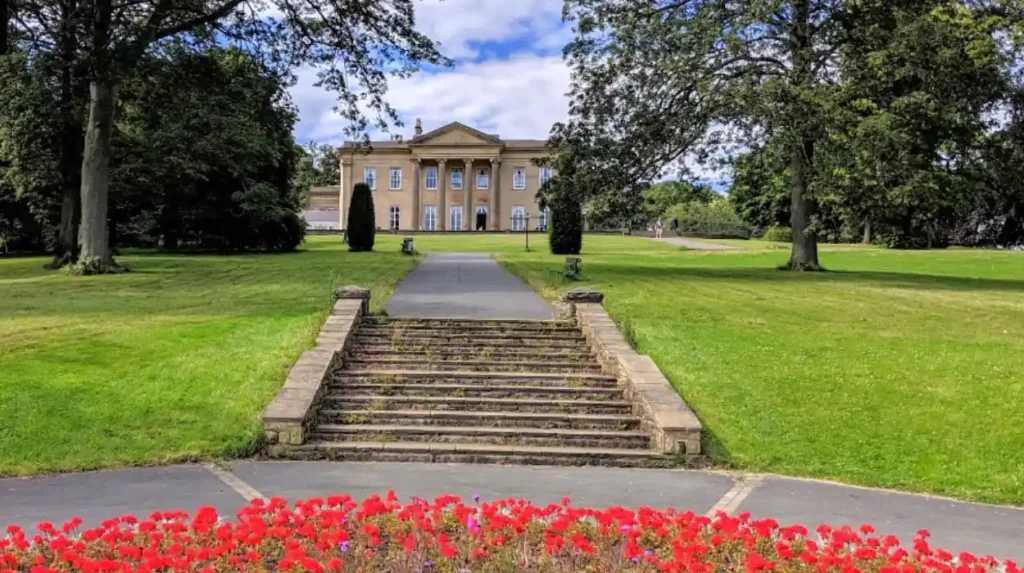
Temple Newsam, on the eastern side of Leeds, combines a grand Tudor‑Jacobean house with sweeping parkland redesigned in the 18th century by Capability Brown. The estate’s roots stretch back to medieval times, but it has been a public asset since the early 20th century, when the house and grounds were bought for the city. Visitors can tour the historic interiors, wander through formal and walled gardens, or spend time at Home Farm, where rare‑breed animals bring agricultural heritage to life for families and school groups.
Golden Acre Park
Golden Acre Park in north Leeds is a classic ornamental park centred on a large lake ringed by woodland and carefully planted gardens. Its compact layout makes it ideal for gentle circular walks and accessible days out, with clearly defined paths that are easy to follow in any season. Gardeners and nature lovers are drawn to its rock gardens, boggy planting areas and seasonal borders, which support a wide range of wildlife and provide changing colour throughout the year.
Middleton Park
Middleton Park, serving communities in south Leeds, offers a mix of ancient woodland, open grassland and formal recreation areas spread across hundreds of acres. The park sits on land shaped by centuries of mining, and traces of that industrial past can still be found in its paths and interpretation boards. Today, it is valued for its network of woodland trails, play spaces and sports pitches, giving local residents a substantial green lung within easy reach of their homes.
Woodhouse Moor (Hyde Park)
Woodhouse Moor, often called Hyde Park, is one of Leeds’ busiest inner‑city parks and lies between the universities and Headingley. Open lawns and mature trees provide much‑needed breathing space in a densely populated area, especially for students and young professionals. The park’s skate park, games areas and sports facilities support daily activity, while its paths also form part of commuting routes for people walking or cycling into the city centre.
Meanwood Valley Trail and Meanwood Park
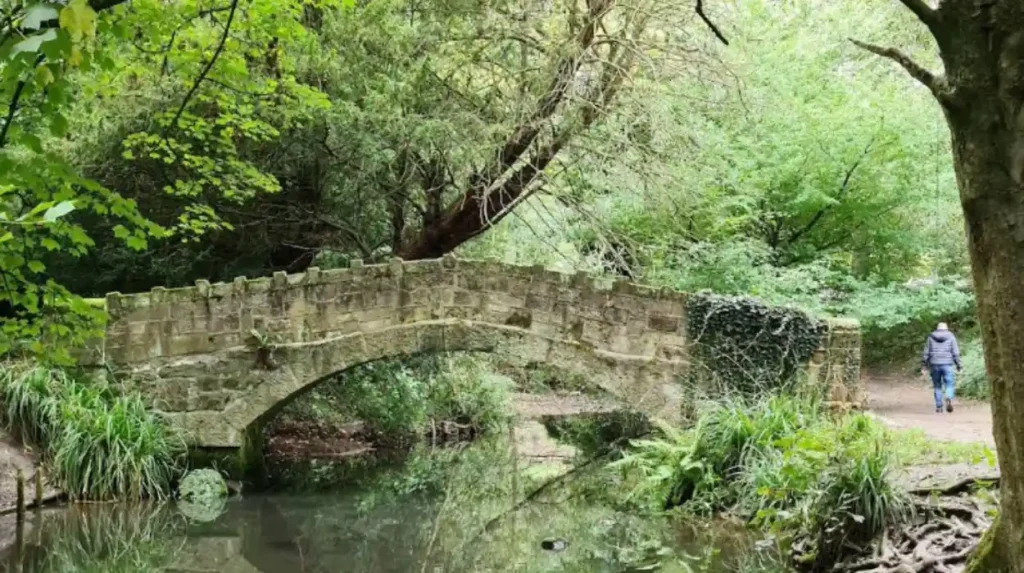
The Meanwood Valley Trail links several of Leeds’ best green spaces through a seven‑mile route that runs from the edge of the city centre to Golden Acre Park. Meanwood Park and the adjoining valley offer varied scenery, including riverside paths, woodland slopes and historic features such as old bridges and remnants of past industry. Walkers can choose short loops within the park or follow longer sections of the trail, making it an adaptable option for weekend hikes, regular runs or family nature walks.
The future of parks in Leeds
Across these parks and many smaller sites, Leeds is working to improve biodiversity, increase tree cover and design spaces that are inclusive for people of all ages and abilities. Investment in paths, planting and play areas aims to keep green spaces resilient in the face of climate change, while community groups play a growing role in organising events and caring for local sites. Taken together, Roundhay, Temple Newsam, Golden Acre, Middleton, Woodhouse Moor and Meanwood Valley show how Leeds’ parks network offers enduring value as places to relax, exercise and connect with the city’s history and landscapes in every season.