Leeds, a vibrant city in West Yorkshire, is renowned for its bustling markets, Victorian arcades, and thriving arts scene. Beyond these well-trodden paths lie hidden gems that offer locals and visitors alike authentic, off-the-beaten-track experiences steeped in history and culture.
- A Quick Introduction to Leeds’ Charm
- Temple Newsam: Regal Estate in the Suburbs
- Middleton Railway: The World’s Oldest Working Railway
- Thackray Museum of Medicine: Gruesome Yet Enlightening
- Roundhay Park’s Secret Water Garden
- Kirkstall Abbey: Ruins Reimagined
- The Secret Bars of Leeds’ Arcades
- Woodhouse Moor: Urban Oasis with Hidden Sculpture Trail
- Meanwood Valley Trail: Nature’s Hidden Corridor
- The Treasures of Leeds City Museum
- Abbey House Museum: Step Back in Time
- Ethical Eating at Hidden Cafes
- Outdoor Adventures: Otley Chevin Forest Park
- Artistic Enclaves: Left Bank Leeds
- Final Thoughts on Exploring Leeds’ Secrets
A Quick Introduction to Leeds’ Charm
Nestled along the River Aire, Leeds has evolved from a modest Anglo-Saxon settlement into a major urban hub since medieval times. Its industrial heritage from the 18th and 19th centuries shaped its character, but today, it’s the quieter corners—forgotten parks, tucked-away galleries, and historic pubs—that reveal the city’s soul. These hidden gems provide perfect escapes for those seeking serenity amid urban energy, ideal for families, history buffs, or solo explorers.
Temple Newsam: Regal Estate in the Suburbs
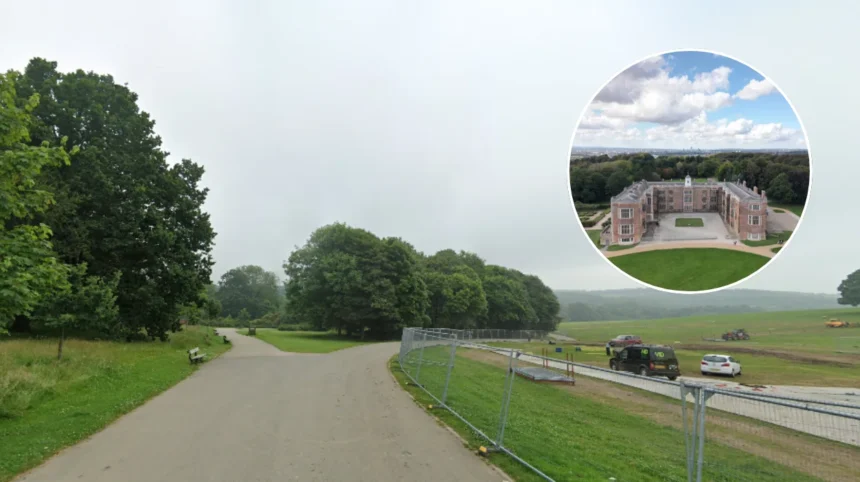
Tucked away in the east of Leeds, Temple Newsam stands as one of the city’s most underrated treasures. This Tudor-Jacobean mansion, set within 500 acres of parkland, served as a royal residence for King Charles I and later inspired Charlotte Brontë’s tales. Visitors can wander its opulent rooms filled with Chippendale furniture or explore the hidden rhubarb triangle gardens, where forced rhubarb grows—a Yorkshire delicacy unique to the region.
The estate’s farm, one of the oldest working farms in the UK, offers hands-on experiences like lambing events in spring. Far from tourist crowds, it’s a peaceful spot for picnics overlooking deer-filled meadows. Local lore ties it to Henry VIII, who reportedly courted Anne Boleyn here, adding romantic intrigue.
Practical tip: Arrive early via the No. 19 bus from the city center; entry is affordable at around £10 for adults, with free park access.
Middleton Railway: The World’s Oldest Working Railway
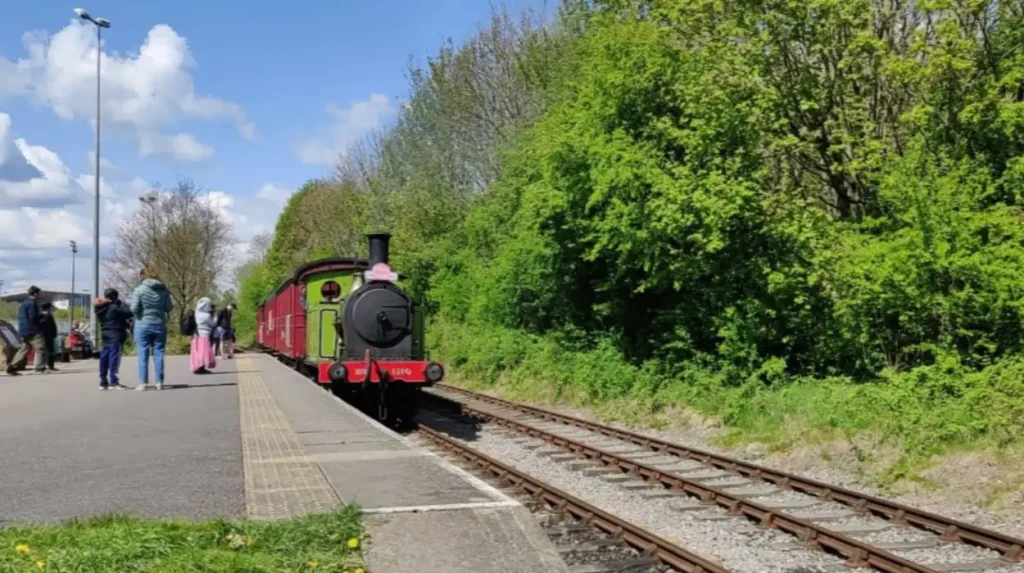
For rail enthusiasts, the Middleton Railway in Hunslet is a living museum. Established in 1758 to transport coal, it claims the title of the world’s first public railway, predating Stephenson’s Rocket by decades. Volunteers operate steam trains on weekends, chugging through wooded tracks to vintage stations unchanged since Victorian times.
This hidden gem escaped major bombings in WWII, preserving original sidings and wagons. Riders enjoy narrated trips highlighting industrial archaeology, with rare glimpses of colliery ruins. It’s especially magical during autumn foliage or Christmas specials with mulled wine.
Unlike national rail museums, this one’s intimate scale allows personal chats with engineers. Families love the miniature train rides for kids. Access it by a short walk from Cottingley station—perfect for a half-day adventure.
Thackray Museum of Medicine: Gruesome Yet Enlightening
Hidden in the Civic Quarter, the Thackray Museum delves into medical history with unflinching detail. Housed in a former workhouse, it chronicles Leeds’ role in healthcare innovations, from Victorian surgeries without anesthesia to modern genomics. Interactive exhibits let you “experience” cholera epidemics or dissect virtual cadavers.
A standout is the “Blood and Guts” gallery, showcasing preserved organs and surgical tools that once terrified patients. The museum honors local heroes like Dr. William Hunter, whose anatomy school trained generations. It’s not for the faint-hearted but educates profoundly on Leeds’ contributions to global medicine.
Open daily, tickets start at £12.95; combine with a nearby stroll through the Leeds General Infirmary grounds for context.
Roundhay Park’s Secret Water Garden
Spanning 700 acres, Roundhay Park is Leeds’ green lung, but its Japanese Water Garden remains obscure even to locals. Tucked behind the lakeside, this serene spot features koi ponds, cascading waterfalls, and arched bridges imported from Japan in the 1960s. Cherry blossoms bloom vibrantly in spring, while irises dominate summer.
Designed for meditation, it’s a haven for mindfulness amid city life. Birdwatchers spot kingfishers darting over lily pads, and the adjacent Tropical House greenhouse houses exotic plants year-round. Legend has it, the garden was a gift from Leeds’ Japanese twin city, cementing cultural ties.
Free entry makes it accessible; pack a thermos for quiet reflection. Avoid peak weekends for solitude.
Kirkstall Abbey: Ruins Reimagined
Leeds’ largest monastic ruin, Kirkstall Abbey, lurks along the A65, often overlooked by passersby. Founded in 1152 by Cistercian monks, its honey-colored stone arches frame the River Aire dramatically. Explore vaulted refectories where monks once brewed ale, or climb the scriptorium for valley views.
The site’s museum displays excavated artifacts, including a monk’s skull etched with medieval graffiti. Today, it hosts open-air theater and artisan markets, blending history with modernity. Nearby woods hide “fairy doors” carved by artists—delights for children.
A 20-minute bus from Leeds station; abbey entry is free, grounds open dawn to dusk.
The Secret Bars of Leeds’ Arcades
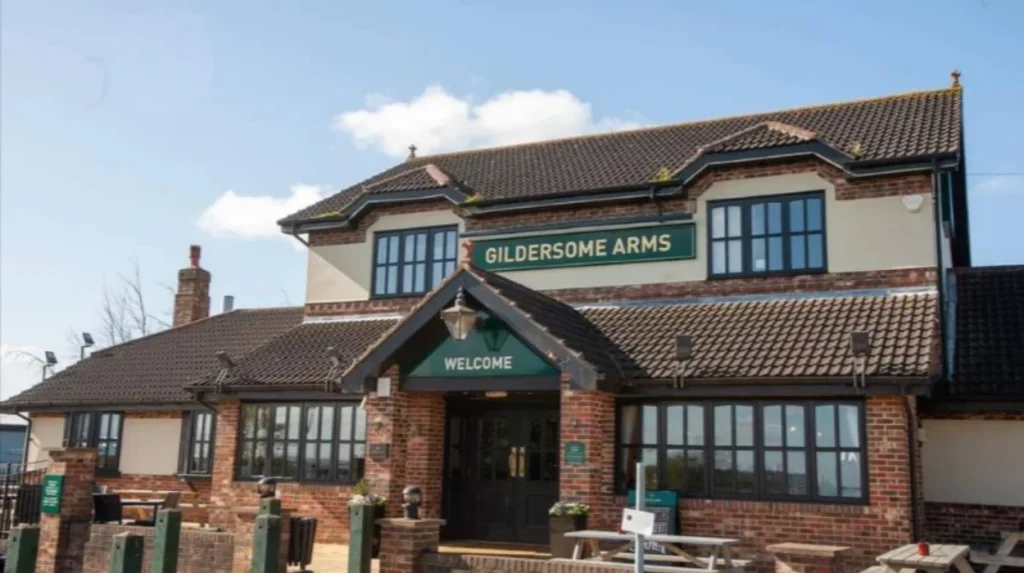
Leeds’ Victorian arcades like Thornton’s and Leeds Arcade conceal speakeasy-style bars. Whitelocks First City Luncheon Bar, dating to 1715, hides in Turk’s Head Alley with stained-glass snugs and gin taps unchanged for centuries. It’s a time capsule of Edwardian pub life, serving rare Yorkshire ales.
Another gem: Whitelock’s tiled walls echo with tales of serving poets like John Betjeman. For cocktail lovers, the Alchemist in Trinity Leeds offers molecular mixology in a basement lair disguised as a bookcase. These spots thrive on word-of-mouth, ensuring intimate vibes.
Happy hours draw locals; reservations advised for weekends.
Woodhouse Moor: Urban Oasis with Hidden Sculpture Trail
Sandwiched between student hubs, Woodhouse Moor boasts a lesser-known Sculpture Trail funded by the Henry Moore Foundation—apt, as the artist was Leeds-born. Wander 2km of paths unveiling abstract bronzes amid wildflower meadows. Highlights include “Three Piece Reclining Figure,” echoing Moore’s wartime sketches.
The moor’s “Hyde Park” nickname stems from 19th-century rallies, with ghosts of suffragettes lingering. It’s prime for sunrise yoga or winter sledge runs on frosty hills. Flat access suits all abilities.
Cycle via cycle paths from the university area.
Meanwood Valley Trail: Nature’s Hidden Corridor
This 7-mile trail snakes from Woodhouse to Meanwood, following an old beck through bluebell woods and badger setts. It passes seven nature reserves, including the ancient Breary Marsh with rare orchids. Disused mills recall textile heyday, now bird hides for spotting owls.
Urban foxes roam freely, and spring brings glow-worm displays. Perfect for foraging blackberries or picnicking at Seven Arches viaduct. Download the free app for audio guides.
Start at Meanwood Park; sturdy shoes essential.
The Treasures of Leeds City Museum
Overlooked next to the art gallery, Leeds City Museum houses eclectic collections in a 19th-century mansion. Marvel at the Egyptian mummy exhibit, repatriated artifacts from Leeds’ imperial past, or the Ice Age mammoth skeleton dug locally. The natural history wing features pinned butterflies from global expeditions.
Interactive floors let kids dig for fossils, while adults ponder the Bagpuss doll prototype—born in Leeds studios. Rotating exhibits spotlight local makers like Burmantofts pottery.
Free entry; audio tours enhance visits.
Abbey House Museum: Step Back in Time
Adjacent to Kirkstall, Abbey House recreates Victorian slums with costumed actors hawking fish guts. Smell the tannery stench or eavesdrop on penny dreadful readings—immersive history at its grittiest. The toy gallery dazzles with Meccano sets from Leeds factories.
It captures the city’s rags-to-riches story, from pauper alleys to music hall glamour. Annual ghost hunts amp up thrills.
£12 entry; family favorite.
Ethical Eating at Hidden Cafes
Tucked in Chapel Allerton, Bundobust serves Gujarati street food in a vegan haven—think okra fries with craft beers. In Headingley, Greek Street Food’s souvlaki shack sources from local farms. These spots champion sustainability, aligning with Leeds’ green ethos.
Pair with foraged nettle tea from nearby valleys.
Outdoor Adventures: Otley Chevin Forest Park
Just beyond city limits, Otley Chevin offers panoramic views from Surprise View. Trails wind through yew woods to Iron Age hill forts, with paragliders soaring overhead. Surprise the family with a treetop trek at Go Ape.
Free parking; dog-friendly.
Artistic Enclaves: Left Bank Leeds
By the canal, Left Bank hosts indie galleries in a mill conversion. Street art murals by Phlegm depict whimsical beasts; pottery studios invite wheel-throwing sessions.
Catch open mics in hidden courtyards.
Final Thoughts on Exploring Leeds’ Secrets
Leeds’ hidden gems weave a tapestry of history, nature, and innovation, ensuring endless discoveries. Whether chasing ruins or savoring ales, these spots capture the city’s enduring allure. Venture off the main drags—you’ll uncover why locals cherish their understated paradise.