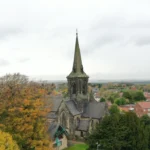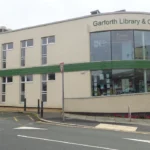

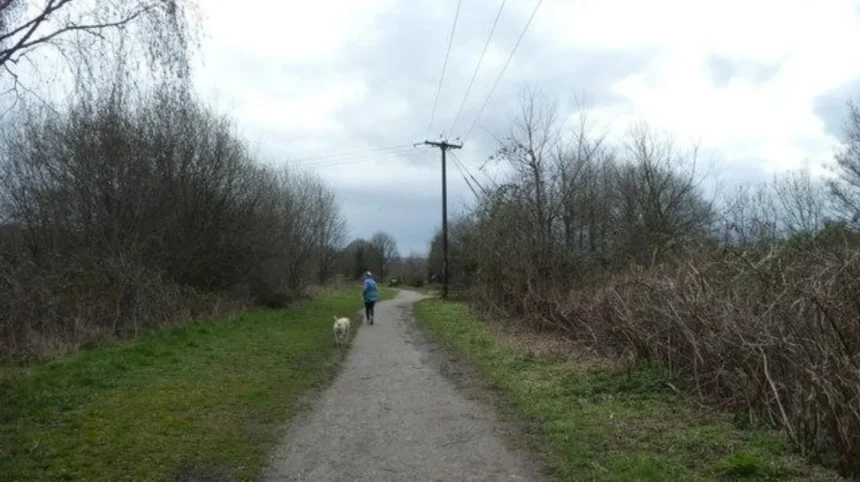
Garforth is an established town in east Leeds with a strong network of parks, recreation grounds, local green spaces and countryside connections. Its position between Leeds and the Lower Aire Valley gives visitors travelling with dogs access to both short urban walks and longer routes through former railway corridors and natural habitats.
- What dog-friendly places can you visit in Garforth?
- Which Garforth dog walk is best for a longer outing?
- Which local green spaces are suitable for short dog walks?
- Can you extend a Garforth dog walk into the surrounding countryside?
- What are the dog-control rules for walks in Garforth?
- How does Garforth’s history shape its dog-walking landscape?
- Which route should you choose for your dog?
- Is Garforth a practical base for dog-friendly visitors to Leeds?
- What should visitors know before taking a dog to Garforth?
Leeds City Council lists several green spaces within the Garforth and Swillington area. These include BarleyHill Park, Firthfield, Glencoe Estate, Glebelands Recreation Ground, The Chase, East Garforth Recreation Ground and Hollinhurst Wood. The council classifies these sites under categories including community parks, local green spaces, recreation grounds and woodland areas.
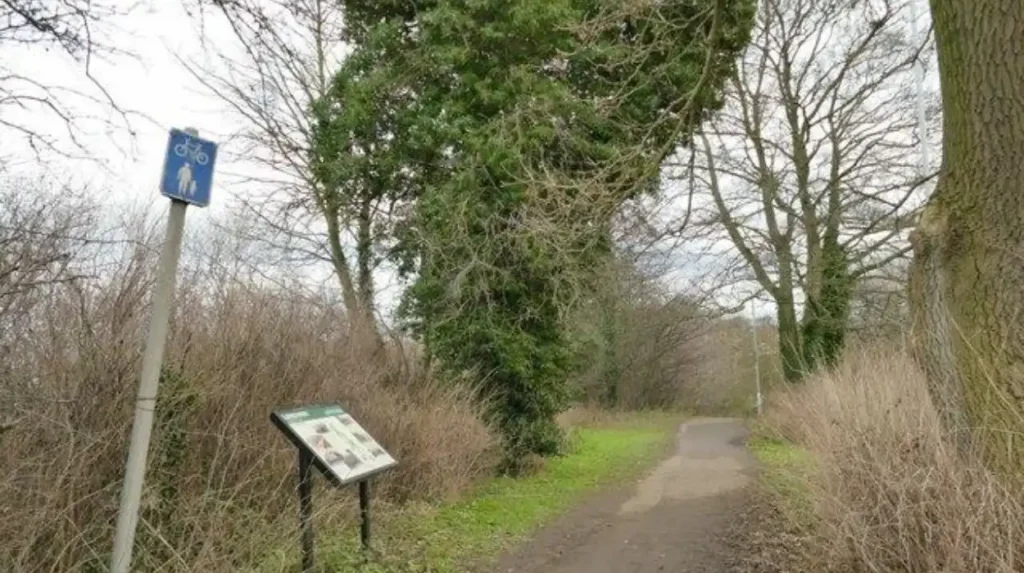
The most distinctive walking route is the Lines Way. This former railway route starts at Ninelands Lane in Garforth and extends towards Allerton Bywater. Yorkshire Wildlife Trust manages the route as a nature reserve and describes it as a four-mile green corridor containing woodland, wet woodland, ponds, scrub and hedgerows. Dogs must remain on leads along the Lines Way.
Garforth also has a significant historic landscape. The Garforth Neighbourhood Plan records evidence of Roman-era agricultural activity, an Anglo-Saxon origin for the settlement name and a detailed reference in the Domesday Survey of 1086. The town later developed through agriculture, landownership, mining and industrial expansion.
As you explore the modern green spaces, you are crossing land shaped by centuries of settlement and industry. Read the to understand Garforth’s origins and the historical development behind its present-day landscape.
For visitors, this combination of accessible green space and historical character makes Garforth suitable for dog owners who want outdoor activity without travelling into central Leeds.
What dog-friendly places can you visit in Garforth?
Garforth offers dog-friendly parks, recreation grounds, green spaces and a direct connection to the Lines Way. The best options combine accessible paths, open grass and countryside links, while Leeds rules require responsible control, waste removal and leads where signs specify.
Leeds City Council’s parks system recognises parks and green spaces as locations where dogs are permitted, subject to specific controls. Its Garforth and Swillington schedule includes several locations that are useful for dog walking.
BarleyHill Park is classified as a community park. It provides a local green setting within the Garforth area and is suitable for shorter outdoor visits when a long countryside route is unnecessary.
Glebelands Recreation Ground on Ninelands Lane is another recognised green space. Its classification as a recreation ground means the area forms part of the wider network of managed outdoor spaces serving local residents.
Firthfield is listed as a local green space, while Glencoe Estate also has local green-space status. The Chase in Garforth is another designated local green space. These areas are particularly relevant to visitors staying locally because they provide opportunities for short walks close to residential areas.
East Garforth Recreation Ground is also included in the council’s parks and byelaws schedule. The range of classifications demonstrates that Garforth’s dog-walking network does not depend on one large park. Instead, it consists of connected and separate green spaces with different functions.
Visitors should always follow signs at each site. A green space being dog friendly does not automatically mean that dogs can run freely everywhere within it.
Which Garforth dog walk is best for a longer outing?
For a dog walk, the Lines Way is a strong local choice. It follows a former railway corridor from Garforth towards Allerton Bywater, covers four miles, contains varied habitats, and is designated by Yorkshire Wildlife Trust as a nature reserve.
The Lines Way is the most clearly defined longer walking route associated directly with Garforth. Its Garforth entrance is at Ninelands Lane, LS25 2AN. Yorkshire Wildlife Trust records the route as approximately four miles long and states that it is open at all times.
The route occupies the alignment of a disused railway. The Leeds, Castleford and Pontefract Junction Railway opened in 1878. The Bowers Junction to Garforth section closed in 1969. The former railway corridor now serves walkers, cyclists and horse riders rather than trains.
This railway history gives the Lines Way a distinctive structure. Former railway corridors generally provide relatively continuous routes compared with disconnected urban footpaths. The route also forms part of a broader Lower Aire Valley network of green spaces.
Habitats along the Lines Way include hedgerows, scrub, woodland, wet woodland and ponds. Yorkshire Wildlife Trust records wildlife including smooth newts, great crested newts, common frogs, cuckoos, whitethroats, ringlet butterflies and overwintering songbirds. Seasonal vegetation includes orchids and clustered bellflower.
Dogs must be kept on leads on the Lines Way. This is important because the route supports wildlife and is shared by different types of users. Controlled walking also reduces conflict between dogs, cyclists, horse riders and other pedestrians.
The route is free to access. Station Road provides parking information for the wider Lines Way area, while public access points occur along its length.
Which local green spaces are suitable for short dog walks?
Garforth has green spaces suited to short dog walks, including BarleyHill Park, Glencoe Estate, Firthfield, Glebelands Recreation Ground and The Chase. These sites differ in character, so check signs, shared-use areas and local restrictions before allowing dogs off lead nearby.
Short walks are useful for visitors staying in Garforth accommodation, people travelling between destinations and owners whose dogs require controlled exercise rather than a long-distance route.
BarleyHill Park provides a conventional community-park setting. It is useful for a brief outdoor break and for visitors who want green space without committing to a four-mile route.
Glebelands Recreation Ground is located on Ninelands Lane, placing it close to the Garforth end of the Lines Way. This creates an opportunity to combine local recreation space with the former railway corridor when a longer walk is appropriate.
Glencoe Estate and Firthfield provide additional neighbourhood green-space options. These locations are important because Garforth’s outdoor network extends beyond formal parks. Local green spaces form part of the area’s planning framework and help preserve recreational land within the built environment.
The council’s parks schedule also identifies Berry Road Playing Field and Berry Lane Cricket Pitch as outdoor-sport spaces. Visitors should distinguish between a recreational green space and an active sports facility. Sports pitches are not automatically suitable for unrestricted dog exercise.
Signs at individual locations provide the most relevant information on access, leads and restrictions. Conditions can also change when sporting events or maintenance activities take place.
Can you extend a Garforth dog walk into the surrounding countryside?
Yes. The Lines Way connects Garforth with Lower Aire Valley green spaces and provides access towards Hollinhurst Wood, Owl Wood, Letchmire Pastures and Townclose Hills. These sites create longer walking opportunities for visitors wanting countryside rather than short urban circuits.
The Lower Aire Valley provides an important wider context for Garforth’s walking routes. The Lines Way acts as a green corridor connecting several habitats and nature reserves.
Yorkshire Wildlife Trust identifies Hollinhurst Wood, Owl Wood and Pit Plantation, Letchmire Pastures and Townclose Hills among the nature reserves associated with the wider route. This creates opportunities to build longer walks around the Garforth section rather than treating each green space as an isolated destination.
Townclose Hills Local Nature Reserve is particularly significant. It sits on a magnesium limestone knoll on the edge of Kippax and contains limestone grassland, woodland, meadows, scrub and woodland glades. Much of the site is designated as a Site of Special Scientific Interest because of its conservation importance.
The Lines Way runs along the western edge of Townclose Hills. This creates a physical connection between the former railway corridor and the nature reserve.
Townclose Hills is open-access land, but the terrain requires care. Leeds City Council identifies steep paths, uneven or muddy ground and limestone cracks known as grykes. Dogs should remain under supervision and owners should remove waste.
This wider countryside network suits visitors who want a more varied outdoor experience. It also demonstrates why Garforth works as a base for dog-friendly exploration across south-east Leeds.
What are the dog-control rules for walks in Garforth?
Leeds rules require dogs to stay under close control, waste to be collected, and leads to be used in designated locations. The Lines Way specifically requires dogs to stay on leads, while parks permit off-lead walking unless signs impose restrictions.
Leeds City Council operates a Dogs in Public Spaces Protection Order, known as a PSPO. A PSPO is a legal mechanism used by local authorities to control specified behaviours in defined public spaces.
The Leeds-wide dog order requires owners to pick up dog waste and carry suitable waste bags. It also requires dogs to remain under close control. Dogs must be kept on leads in designated areas, including specified roads, pavements and footpaths and locations covered by signage.
The council states that dogs can be let off leads in parks unless specific signage imposes a restriction. This distinction is important. Visitors should not assume that every path, green area or recreation ground has identical rules.
The Lines Way has its own published access information stating that dogs must be on leads. This rule applies even though the route functions as a nature reserve and green corridor.
The council also lists dog exclusion and lead-control zones at particular sites across Leeds. For example, certain formal gardens, playgrounds and specialist areas have additional restrictions. Lotherton Hall Estate, which lies outside Garforth but provides a nearby countryside destination, has specific dog controls around its formal gardens, courtyard and bird garden.
Responsible dog walking therefore depends on reading local signs rather than applying one rule to every green space.
How does Garforth’s history shape its dog-walking landscape?
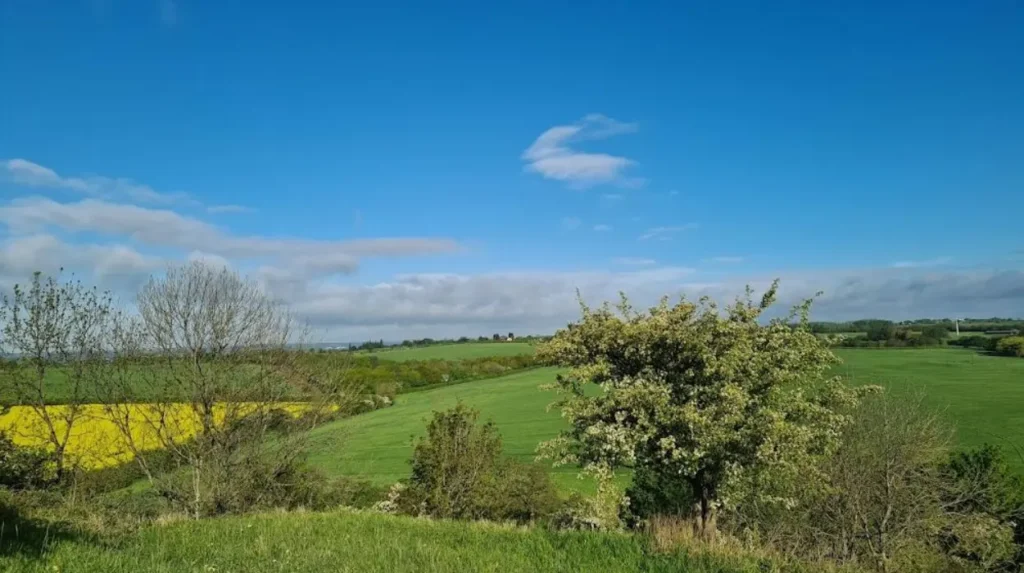
Garforth combines urban streets with former railway corridors, recreation grounds, woodland edges and surrounding farmland. Its limestone landscape and industrial history shape the setting, while routes such as the Lines Way preserve a connection between neighbourhood green spaces and countryside.
Garforth’s present-day outdoor landscape reflects several stages of development. Leeds City Council’s Garforth Neighbourhood Plan records probable Roman cultivation because the surrounding Magnesian Limestone landscape provided productive agricultural land. The plan identifies the settlement name as probably Anglo-Saxon in origin.
The Domesday Survey of 1086 provides the first detailed written description. It recorded a manor approximately 1.5 miles long and 1.5 miles wide, with a church, priest, four villagers and one smallholder. The figures represented household heads rather than every individual resident.
Garforth later expanded through agriculture, estate development and coal mining. The neighbourhood plan identifies industrial heritage as an important part of the town’s identity.
The railway history is especially relevant to modern walking. The route that became the Lines Way was once part of the railway infrastructure serving the area. Its closure in the twentieth century transformed a transport corridor into a green recreational route.
The Garforth Neighbourhood Plan also records eight designated heritage assets, all Grade II listed structures, alongside additional non-designated heritage assets. This heritage context shows that the town’s built environment and outdoor spaces developed together.
For dog walkers, this history is visible through the relationship between streets, old transport routes, green corridors and surrounding countryside. The walking experience is therefore linked directly to the physical development of Garforth.
Which route should you choose for your dog?
The best dog-walking visit starts with a route matched to your dog’s needs. Use the Lines Way for longer controlled walks, local green spaces for shorter exercise, and nearby countryside reserves when you want varied habitats and greater distance overall.
The Lines Way is the clearest choice for a longer walk. Its four-mile length, continuous corridor and natural habitats provide a structured route, but the lead requirement makes it most appropriate for dogs comfortable with controlled walking.
BarleyHill Park and other local green spaces suit shorter outings. They are practical when accommodation is nearby or when visitors need a quick exercise break between other activities.
Glebelands Recreation Ground has particular relevance because of its location near the Lines Way. A visitor can use the surrounding area for a shorter walk or continue towards the former railway route for a longer outing.
Townclose Hills provides a different walking environment. Its limestone terrain, meadows and woodland create greater variation, but uneven ground and grykes require more attention from dog owners.
The correct route also depends on the dog’s behaviour. A dog that reacts strongly to cyclists, horses or other dogs requires closer control on shared routes. The Lines Way supports cyclists and horses as well as walkers, making lead use particularly important.
Weather also affects route choice. Wet conditions can make woodland and limestone terrain muddy or slippery. Dry summer conditions can expose limestone cracks at Townclose Hills. Visitors should use appropriate footwear and maintain control of their dogs.
Explore More Area Guide
Garforth Heritage Walk: Historic Landmarks and Streets
Garforth Historic Places and Heritage Guide 2026
Is Garforth a practical base for dog-friendly visitors to Leeds?
Garforth works well for dog owners visiting Leeds who want outdoor time without travelling into central parks. The area provides railway access, road connections, local green spaces and countryside routes, making it practical for short visits and longer leisure breaks.
Garforth is located in east Leeds and provides a useful position between the city and the countryside of West Yorkshire. Its transport connections make it practical for visitors who want to combine outdoor activities with wider Leeds sightseeing.
The town’s local green spaces provide short walking options without requiring a dedicated countryside excursion. The Lines Way then offers a direct route into a broader green corridor.
For domestic business travellers, this creates a simple way to use downtime for outdoor exercise. A short local walk requires less travel than reaching one of Leeds’s major parks.
For leisure travellers, Garforth can also function as a base for exploring nearby destinations. The Lower Aire Valley contains additional nature reserves and green corridors, while the wider Leeds district includes major parks and countryside sites. Leeds City Council describes its major parks as dog friendly, subject to individual restrictions and byelaws.
Visitors should distinguish between dog-friendly access and unrestricted access. Formal gardens, playgrounds, specialist facilities and certain other areas have specific controls. Checking the latest council information before travelling reduces the risk of arriving at a restricted location.
Garforth therefore provides a practical balance between town-based convenience and countryside access. Its combination of local parks, recreation grounds, the Lines Way and surrounding nature reserves gives dog owners multiple options within a relatively compact area.
What should visitors know before taking a dog to Garforth?
Visitors should check current local signage, carry waste bags, use a lead on the Lines Way, keep dogs under control, and plan routes around terrain and shared users. These simple measures support wildlife, other visitors and continued responsible access to Garforth’s green spaces.
Dog owners should prepare for shared use. The Lines Way accommodates walkers, cyclists and horse riders. Keeping a dog on a lead reduces the risk of conflict and supports safe access for everyone.
Waste management is also essential. Leeds requires people responsible for dogs to pick up dog waste in public spaces and carry a suitable bag or equivalent means of clearing it.
Owners should also respect wildlife. The Lines Way contains ponds, woodland, wet woodland and species-rich habitats. Townclose Hills contains nationally important limestone habitats and uncommon wildflowers. Dogs should remain supervised in these environments.
Route planning is equally important. A four-mile route requires more time and water than a short neighbourhood walk. Uneven terrain requires suitable footwear and additional attention to footing.
Visitors should also check current information before travelling. Leeds City Council’s PSPO information and individual park rules provide the authoritative basis for dog-control requirements. Local signs remain important because restrictions can apply to specific areas within larger parks.
Garforth’s appeal for dog owners comes from its variety. The area supports short urban walks, longer former-railway routes, nature-reserve connections and countryside exploration. Its outdoor network also reflects the town’s agricultural, mining and railway history.
For visitors travelling with dogs, the Lines Way provides the clearest signature walk, while Garforth’s community parks and local green spaces provide convenient alternatives. The wider Lower Aire Valley then extends the experience beyond the town itself.
The result is a dog-friendly destination within the Leeds area where outdoor recreation, wildlife, transport history and local heritage remain closely connected.
Is Garforth dog friendly?
Yes. Garforth has several parks, recreation grounds, local green spaces and countryside routes suitable for dog walking. BarleyHill Park, Glebelands Recreation Ground and the Lines Way are among the main options. Dogs remain subject to Leeds City Council rules and local signage.