
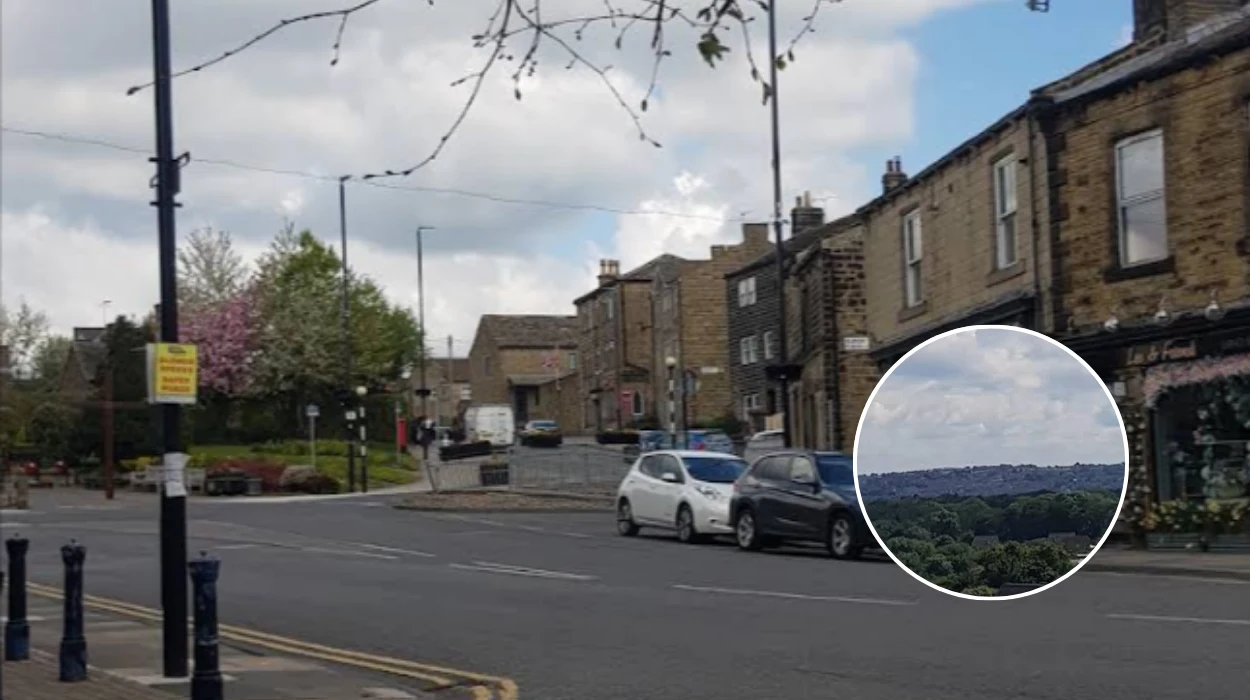
Guiseley is a historic town in north‑west Leeds that combines a village feel with the convenience of a modern suburb, thanks to its position on the A65 and the Wharfedale rail line linking Leeds, Bradford and Ilkley. Once a small rural settlement in the old manor of Otley, it has grown into a popular residential area with strong commuter links, good schools and a busy local high street focused on retail parks and independent businesses. This mix of heritage, transport connectivity and everyday amenities makes Guiseley an attractive choice for Leeds families and professionals looking for suburban living with easy access to the city.
History and development
Guiseley’s story stretches back over a thousand years, with its name first recorded in early medieval documents and later appearing in the Domesday Book as part of a wider estate centred on Otley. For centuries it remained a farming and wool‑producing village, but from the late 18th and 19th centuries new mills, a turnpike road and, crucially, the railway transformed it into a small industrial town woven into the growing Leeds economy. In the 20th century Guiseley moved from parish and urban district status into the Aireborough Urban District and, after 1974, into the City of Leeds, reflecting its evolution from independent township to integral suburb within the wider metropolitan area.
Heritage, churches and culture
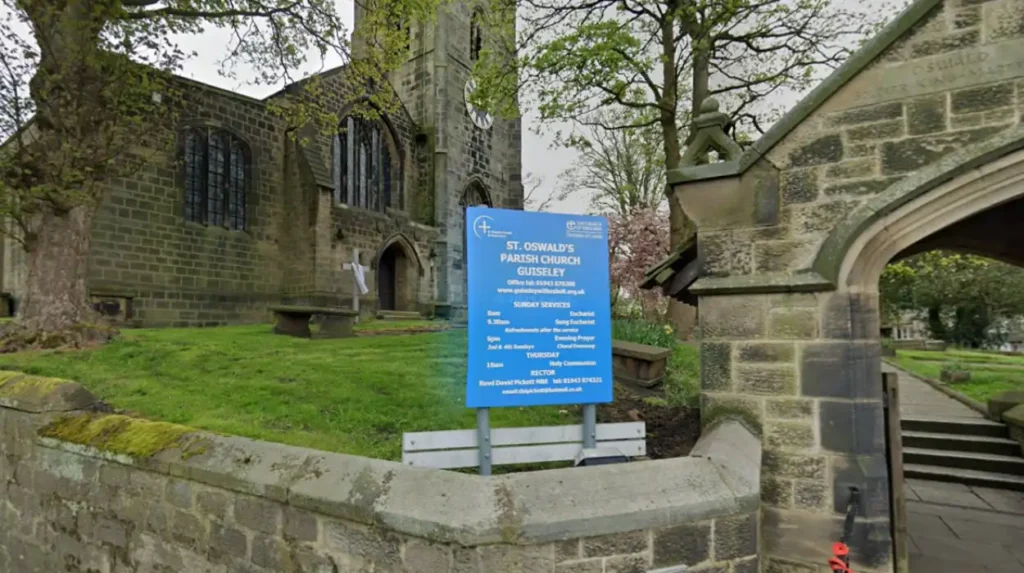
At the heart of Guiseley’s heritage stands St Oswald’s Church, an ancient parish church with medieval fabric and even earlier stonework that points to Saxon Christian worship on the site. The church is best known nationally as the place where Patrick Brontë and Maria Branwell married in 1812, creating a direct link between Guiseley and the famous Brontë literary family. Around this historic core, the town retains 19th‑century civic buildings, chapels and terraces, while community groups and local societies continue to promote conservation, research local history and organise cultural events that keep Guiseley’s story visible to new generations.
Economy, retail and green spaces
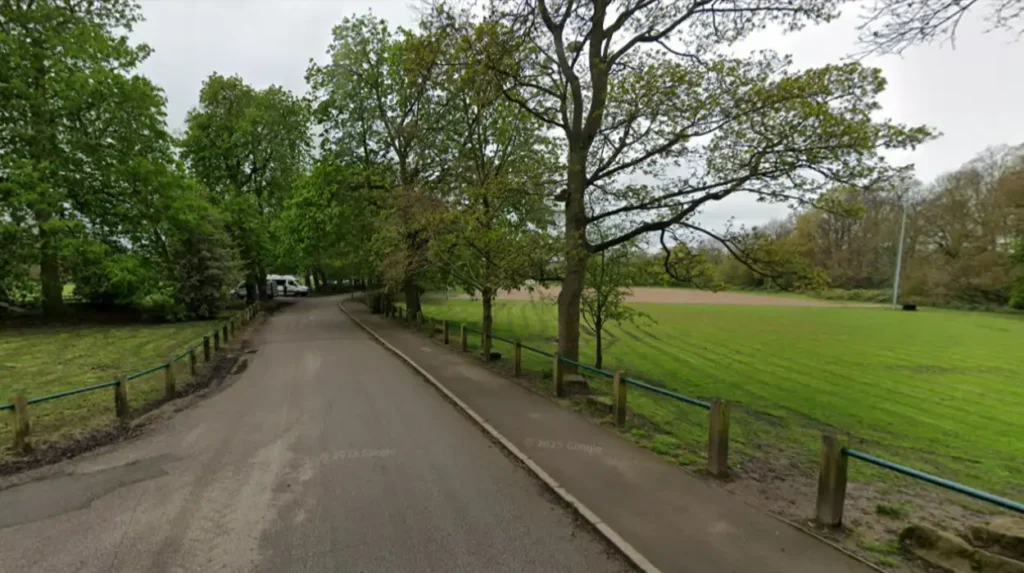
Modern Guiseley is defined less by mills and factories and more by a service‑led economy centred on retail parks, supermarkets, hospitality venues and small independent traders along and around the A65. The legacy of brands such as Silver Cross prams and Harry Ramsden’s fish and chips still shapes the town’s identity, even as former industrial sites have been converted into housing and commercial developments. Residents also benefit from generous green spaces, including parks gifted by local benefactors and open land on and around Guiseley Moor, which together provide room for sport, walking and community events within easy reach of the town centre.
Community, schools and lifestyle
Guiseley has become a sought‑after location for families partly because of its education offer, with a major secondary school and several primary schools serving the town and surrounding neighbourhoods. Sports clubs, from Guiseley A.F.C. at Nethermoor to cricket, rugby and running clubs, create a strong grassroots sporting culture that draws in people from across Aireborough. With balanced demographics, active faith communities and accessible transport to Leeds, Bradford and Leeds Bradford Airport, everyday life in Guiseley blends small‑town community with metropolitan opportunity in a way that continues to appeal to long‑term residents and newcomers alike.