
Headingley in Leeds, West Yorkshire, has an active community life shaped by local charities, neighbourhood groups, educational institutions, environmental initiatives and volunteer-led organisations. Visitors, residents and people working remotely can explore these activities to understand how the area supports social connection, environmental improvement and community wellbeing.
- What types of community projects operate in Headingley?
- Where can you find volunteering opportunities in Headingley?
- Which environmental projects can volunteers join in Headingley?
- How does Headingley Development Trust support the local community?
- How can HEART help people participate in Headingley community life?
- How can volunteers support older people in Headingley?
- How can residents get involved in local food and community events?
- What opportunities are available for students and young adults?
- How can visitors and remote workers contribute to Headingley?
- How does Headingley’s history influence its community projects today?
- What should you check before joining a community volunteering project?
- Where can you find reliable information about Headingley community initiatives?
- Why do local community projects matter to Headingley’s future?
This guide explains how to find community projects in Headingley, identify suitable volunteering opportunities, understand the role of local organisations and take part in activities that benefit the neighbourhood. It also covers practical arrangements for getting involved, including age requirements, time commitments, safeguarding and ways to find reliable opportunities.
What types of community projects operate in Headingley?
Community projects in Headingley include environmental groups, social support organisations, arts initiatives, neighbourhood improvement schemes and activities for older residents. These projects bring people together to improve local facilities, reduce isolation, protect green spaces and create opportunities for residents and visitors to contribute.
Headingley is a suburb in north-west Leeds with established residential neighbourhoods, university connections, independent businesses and community facilities. Its community activity extends beyond formal charities. Residents organise local events, support shared spaces and take part in projects that address practical neighbourhood needs.
The Headingley Development Trust (HDT) is an important organisation in this local network. It describes itself as a community business with more than 1,200 members. Its initiatives include HEART, the Headingley Community Orchard, Zero Carbon Headingley, the farmers’ market and other projects supporting the area.
These initiatives serve different purposes. Environmental projects improve public spaces and wildlife habitats. Social organisations support older people and other residents who experience isolation. Arts programmes create opportunities for participation in music, film, learning and community events.
Visitors can explore public events to understand local life, while longer-term residents can investigate regular volunteering opportunities. The most suitable starting point depends on the project’s location, schedule, responsibilities and eligibility requirements.
Where can you find volunteering opportunities in Headingley?
The best starting points for Headingley volunteering are Headingley Development Trust, HEART, local environmental groups, OWLS and Leeds City Council’s volunteering service. Each provides a different route into community participation, from social support and events to gardening, conservation and neighbourhood improvement.
Headingley does not have a single organisation responsible for every volunteering opportunity. Instead, projects operate through community businesses, charities, resident associations and council-supported programmes.
The Headingley Development Trust provides information about its community projects and activities. Its work connects residents with local initiatives, including community food, environmental action and cultural events. People interested in contributing should contact the relevant project directly to confirm current vacancies and participation arrangements.
Leeds City Council also maintains a dedicated volunteering information page. Its Volunteer Team Leeds platform connects people with council-supported cultural and community activities. Other options include park volunteering, libraries, museums, sports and youth services.
For people who prefer a face-to-face starting point, Headingley Community Hub and Library is located on North Lane, Headingley, Leeds, LS6 3HG. The hub provides public information and access to local services. Its staff can help visitors navigate council services, although specific volunteering placements require confirmation through the relevant organisation.
Which environmental projects can volunteers join in Headingley?
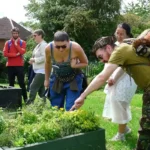
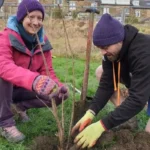
Environmental volunteering in Headingley includes park maintenance, woodland conservation, tree planting, litter clearance, community gardening and wildlife protection. Examples include Friends of Beckett Park, Friends of Batcliffe Woods, Headingley Community Orchard and local green-space initiatives supported by residents.
Headingley has green spaces that benefit from organised community care. Volunteers contribute to the maintenance of public areas, help protect habitats and support the long-term condition of local parks.
Friends of Beckett Park is a resident-led group focused on protecting and improving Beckett Park. Its activities include weeding, planting, vegetation management and rubbish clearance. The group generally meets every two to three months, although interested volunteers should confirm upcoming dates before travelling.
Friends of Batcliffe Woods also supports an area associated with Beckett Park. Its activities include tree planting, wildflower planting, woodland thinning and general maintenance. The group meets quarterly, making it a useful option for people who prefer occasional practical sessions rather than a weekly commitment.
Headingley Community Orchard provides another route into local environmental participation. Community orchards bring people together around fruit trees, shared growing spaces and seasonal activities. The orchard project is associated with Headingley Development Trust, which provides information about its work and related community initiatives.
Leeds City Council also supports volunteering across parks and countryside sites. Tasks include gardening, nature conservation, path and fence maintenance, wildlife surveys, fundraising and event organisation. People can apply individually or join a local Friends of group.
Practical outdoor volunteering normally requires clothing suitable for the weather and the task. Participants should check whether tools, gloves and other equipment are provided, particularly for woodland work or planting sessions.
How does Headingley Development Trust support the local community?
Headingley Development Trust supports local community life through projects that combine social enterprise, environmental action, cultural activities and neighbourhood services. Its initiatives include HEART, the community orchard, Zero Carbon Headingley and the Headingley farmers’ market, connecting participation with local needs.
Headingley Development Trust is a community business established to develop and sustain Headingley. Rather than concentrating on one issue, it supports several initiatives that address the area’s social, cultural, economic and environmental priorities. Its project network provides opportunities for residents to participate in activities that suit their interests.
One of its most visible projects is HEART, short for Headingley Enterprise and Arts Centre. The centre occupies the former Headingley Primary School on Bennett Road. The building was saved following a local campaign and reopened as a community venue in 2011. It now hosts cultural events, activities, community services and spaces for meetings and enterprise.
The trust’s wider work includes Zero Carbon Headingley, which focuses on local environmental action, and the Headingley Community Orchard. Its farmers’ market also provides a regular meeting point for residents and visitors interested in local produce and community activity. Event schedules should be checked before planning a visit.
People who want to volunteer with the trust should identify a specific project first. Someone with gardening experience might prefer the orchard, while a person interested in events, administration or community engagement should ask about opportunities connected with HEART or other trust activities.
This approach helps prospective volunteers understand the role, time commitment and skills required before joining.
How can HEART help people participate in Headingley community life?
HEART is Headingley’s community, enterprise and arts centre on Bennett Road. It hosts cultural events, creative activities, social initiatives and community services, giving residents and visitors a practical starting point for discovering local organisations and exploring ways to contribute.
HEART occupies the former Headingley Primary School in Leeds LS6 3HN. Its development followed a local campaign to preserve the school building, which was refurbished and reopened in 2011 as a community resource. The centre is a flagship project of Headingley Development Trust.
Its programme includes music, film screenings, poetry events, creative activities and groups that bring people together across generations. The centre also hosts initiatives addressing loneliness and social isolation, alongside support services and activities for different age groups.
Volunteering interests vary according to experience. Event support suits people who enjoy helping with public activities. Creative projects suit people interested in arts and culture. Community support roles require an understanding of confidentiality, respectful communication and any relevant safeguarding procedures.
HEART also provides a useful introduction to Headingley’s wider community network. Visitors attending an event can explore the centre’s noticeboards, programme and official website to identify activities that match their interests.
Before offering time, contact HEART to ask whether a specific programme needs volunteers, what training is provided and whether the role requires regular attendance. Not every event or activity automatically has volunteer vacancies.
How can volunteers support older people in Headingley?
Volunteers supporting older people in Headingley can help reduce loneliness, encourage social participation and assist with everyday activities. OWLS, which stands for Older, Wiser, Local Seniors, provides community support across Headingley and neighbouring areas through befriending, group activities, trips and practical assistance.
OWLS is a local organisation serving older people in Headingley, Kirkstall, Little Woodhouse, Burley and Hyde Park. Its services include weekly activities, day trips, befriending, help with technology and general information and advice. It also offers opportunities for people who want to support older members of the community.
Befriending involves building a supportive social connection through agreed contact. Depending on the organisation’s arrangements, this includes regular telephone conversations, visits or participation in group activities. Practical support can also involve helping someone stay connected with digital services or access community activities.
OWLS is based at 52 North Lane, Headingley, Leeds, LS6 3HU. Its official website provides information about joining activities and volunteering. Interested people should contact the organisation to discuss current roles and the process for getting involved.
Volunteering with older people requires reliability, patience and respect for personal boundaries. Roles involving home visits, personal information or vulnerable adults require particular attention to safeguarding and organisational procedures. Volunteers must follow the training and checks specified for their role.
For visitors staying in Leeds for a short period, a public community event is generally easier to arrange than an ongoing befriending commitment. People living locally have more flexibility to take on regular responsibilities.
How can residents get involved in local food and community events?
Residents can support Headingley’s community life by helping with local events, attending community markets, sharing practical skills and contributing to neighbourhood initiatives. The Headingley farmers’ market and HEART programme provide opportunities to discover local activities and contact organisers about volunteering.
Community events help residents meet local organisations and learn about neighbourhood priorities. Markets, workshops, exhibitions and cultural gatherings also provide opportunities for volunteers to assist with event preparation, visitor information and practical arrangements.
The Headingley farmers’ market is a regular event associated with Headingley Development Trust. The trust lists it among its community activities, with the market traditionally taking place on the second Saturday of each month. Visitors should check the latest published schedule before travelling.
HEART offers another route into local participation through its events programme. People interested in arts, music, film or community gatherings can check upcoming activities and ask organisers about assistance with suitable events. The centre’s wider programme also includes initiatives that bring different generations together.
Volunteers supporting public events should establish their responsibilities in advance. Typical duties include setting up spaces, welcoming attendees, distributing information and helping organisers manage activities. Roles involving money, food preparation or children require clear instructions and appropriate supervision.
For visitors, attending a public event is a straightforward way to discover Headingley’s community network. For residents, regular involvement provides a route to sustained participation and a better understanding of local projects.
What opportunities are available for students and young adults?
Students and young adults in Headingley can investigate environmental projects, community events, arts activities, social support and city-wide volunteering programmes. Suitable opportunities depend on age requirements, availability, experience and training, with university schedules and local transport shaping practical participation.
Headingley’s university connections create opportunities for students to become involved in neighbourhood activities alongside their studies. Community projects offer experience in teamwork, event organisation, communication, environmental work and social support.
Students interested in outdoor activity can contact Friends of Beckett Park or Friends of Batcliffe Woods about scheduled sessions. People interested in cultural participation can explore HEART’s programme, while those drawn to community support can enquire about appropriate roles with local organisations.
Leeds City Council’s volunteering service provides a wider search route for opportunities across the city. Its programme includes arts, events, libraries, museums, parks and youth services. This is useful for students whose preferred roles are not available directly in Headingley.
Before applying, students should establish whether the role offers a one-off session, a regular shift or a longer commitment. They should also ask whether training is available and whether the organisation provides written confirmation of volunteer hours.
Young people under 18 must check age restrictions and parental consent requirements. Work involving children or vulnerable adults also follows the relevant safeguarding procedures. A volunteering role is not automatically suitable for every age group.
How can visitors and remote workers contribute to Headingley?
Visitors and remote workers can participate in Headingley’s community life by attending public events, joining suitable one-off environmental sessions and contacting local organisations about short-term assistance. Longer commitments, including befriending and recurring project duties, require reliable availability and agreement with organisers.
People visiting Leeds for leisure or business often have limited time. Public events at HEART, community markets and advertised environmental sessions provide practical ways to engage with the area without committing to a long-term role.
Remote workers have a different advantage: flexible working hours sometimes allow participation in activities outside conventional office schedules. However, volunteering should fit around agreed work responsibilities and the organisation’s timetable.
HEART combines community activities with enterprise facilities and spaces for working and meeting. It provides a useful point of contact for people seeking to understand local events and the community organisations operating in Headingley. Check the centre’s current facilities, opening arrangements and event schedule before visiting.
Visitors interested in environmental work should contact a local Friends of group to establish whether an upcoming task session accepts new participants. Not every project can accommodate walk-ins, and some activities require advance registration or safety instructions.
The most useful contribution is one that matches the organisation’s actual needs. Short-term visitors should be clear about their availability, while people planning to remain in Leeds should consider opportunities that allow them to contribute consistently.
How does Headingley’s history influence its community projects today?
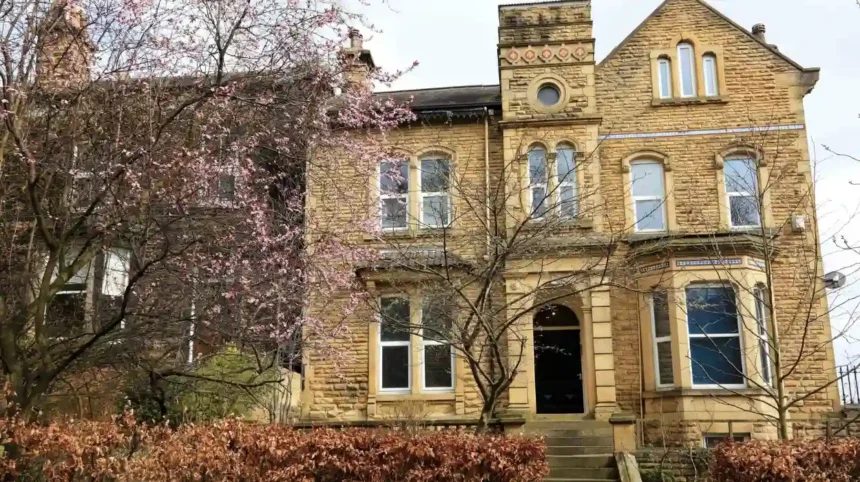
Headingley’s community projects operate within a neighbourhood shaped by historic buildings, established public spaces and generations of local participation. Understanding this background helps visitors recognise why community-led preservation, shared facilities and environmental care remain important to the area’s identity.
Headingley has developed through changes in housing, education, transport and local commerce. Its historic buildings and established public spaces form part of the physical setting in which community organisations operate today.
HEART illustrates this connection between history and current community activity. Its building began as a primary school and became a community and arts centre after local residents campaigned to save it. The project demonstrates how an existing building can serve a new public purpose while retaining its local significance.
As you explore present-day community facilities, you are also encountering the history of local civic participation. Read the full Headingley Victorian History and the Growth of the Suburb to understand how the neighbourhood developed and how its historic character connects with its modern community life.
Historic buildings, parks and shared spaces require continued attention. Community groups support that work by organising activities, encouraging responsible use and maintaining connections between residents and local places. Their activities complement the responsibilities of property owners, public authorities and heritage organisations.
Visitors should respect signs, access restrictions and the condition of historic sites. Volunteering on a preservation project requires permission from the relevant owner or managing organisation, particularly where work affects a building’s fabric or a protected landscape.
What should you check before joining a community volunteering project?
Before joining a Headingley volunteering project, confirm the role, schedule, age requirements, training, accessibility and safeguarding arrangements. Check whether registration is required, what equipment is provided and whom to contact if plans change, particularly for outdoor tasks and activities supporting vulnerable people.
A clear understanding of the role helps volunteers and organisers plan effectively. Different projects require different levels of commitment, from occasional litter-picking sessions to regular social support.
Start by contacting the organisation through its official website or published contact details. Ask what the role involves, how long each session lasts and whether new volunteers are currently being accepted.
For outdoor activities, check the meeting location, weather arrangements, clothing requirements and provision of tools or protective equipment. Ask whether the activity includes uneven ground, lifting or other physical tasks so that the organiser can explain the requirements.
For social support roles, establish the training and screening process. Organisations working with children or adults who need additional support follow safeguarding procedures appropriate to their services. Volunteers must respect confidentiality and report concerns through the designated channels.
Accessibility is also important. Ask about step-free access, accessible toilets, travel arrangements and any adjustments needed to participate. HEART and Headingley Community Hub publish information about their facilities, but requirements differ between venues and activities.
Finally, confirm whether the opportunity is unpaid volunteering, a paid position or a training placement. Volunteering arrangements vary, and reimbursement of travel or other expenses depends on the organisation’s policy.
Explore More Area Guide
Headingley Community Projects & Volunteer Opportunities Leeds
Headingley Volunteering: Community Projects and Local Guide
Where can you find reliable information about Headingley community initiatives?
Reliable information about Headingley community initiatives is available from Leeds City Council, Headingley Development Trust, HEART, OWLS and local environmental groups. Their official websites provide details about services, activities and contact routes, allowing prospective volunteers to confirm arrangements directly with organisers.
Online directories are useful for discovering projects, but official organisation pages are the best starting point for current details. Contact information, meeting schedules and volunteer requirements change over time.
These organisations serve different needs. A person interested in nature conservation should start with a local green-space group or the council’s parks service. Someone interested in supporting older residents should contact OWLS. People drawn to culture, events and community activities should explore HEART and Headingley Development Trust.
The most effective next step is to identify one project, review its current information and contact the organiser. This creates a direct route from discovering Headingley’s community network to taking part in a suitable activity.
Why do local community projects matter to Headingley’s future?
Local community projects help Headingley maintain shared spaces, support social connections, protect the environment and sustain cultural participation. Their continued success depends on reliable volunteers, effective organisation, accessible activities and cooperation between residents, charities, community businesses and public authorities.
Community participation addresses practical needs that extend beyond individual households. Environmental volunteers help maintain green spaces, social organisations support older residents, and cultural venues create places where people meet and exchange ideas.
These activities also develop local knowledge. Volunteers learn about neighbourhood facilities, the people who use them and the practical challenges faced by community organisations. For students and early-career participants, this experience supports communication, organisation and teamwork.
Environmental work has a wider role in Leeds. Leeds City Council’s woodland creation programme aims to plant 5.8 million trees, and the council reports more than 24,000 volunteer hours each year supporting parks and green spaces. These are city-wide figures, not Headingley-specific totals, but they demonstrate the scale of community involvement in local environmental improvement.
For Headingley, future progress relies on maintaining connections between established organisations and new participants. Clear information, welcoming introductory activities and realistic time commitments help people find appropriate ways to contribute.
Residents, visitors and remote workers can all begin by attending a public event or contacting an organisation about its current needs. Consistent involvement then helps local projects preserve the neighbourhood’s shared assets and support community life over time.
What is a conservation area in Headingley?
A conservation area in Headingley is a designated neighbourhood recognised for its special architectural or historic interest. It protects the area’s overall character, including historic buildings, traditional streets, boundary walls, trees and public spaces.