

Headingley is a well-established residential and commercial area in north-west Leeds, West Yorkshire. The area has a strong local community, a large student population, family housing, independent businesses and access to green spaces. These characteristics create regular demand for veterinary care, pet supplies, grooming, walking, behaviour support and other animal services.
- What veterinary services are available in Headingley?
- Which veterinary practice is closest to Headingley?
- What routine treatments can pet owners arrange with a Headingley vet?
- How do Headingley veterinary practices deal with emergencies?
- What pet services are available around Headingley besides veterinary care?
- How should visitors travelling with pets prepare for veterinary care in Headingley?
- Why is microchipping important for Headingley pet owners?
- What should pet owners consider when choosing a Headingley veterinary practice?
- How does Headingley’s history shape its modern pet services?
- What should new Headingley pet owners do first?
- How can Headingley pet owners prepare for long-term animal care?
- What makes local veterinary care important for Headingley?
For pet owners, choosing a local veterinary practice is an important part of responsible animal ownership. A suitable practice provides routine healthcare, preventive treatment, diagnostic services and advice when an animal becomes unwell. Headingley also benefits from nearby veterinary services in Meanwood and Kirkstall, giving local owners additional options.
What veterinary services are available in Headingley?
Headingley has local veterinary care covering routine examinations, vaccinations, preventive healthcare, surgery, diagnostics, microchipping and ongoing treatment for common companion animals such as dogs, cats and small mammals.
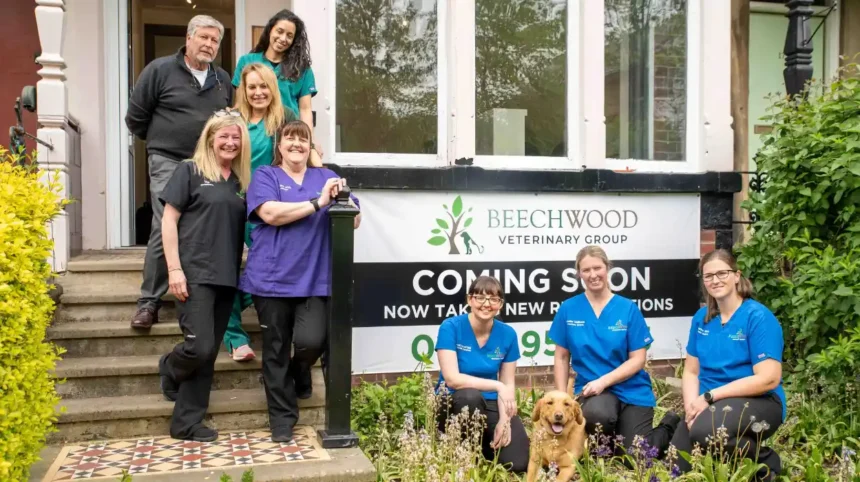
The principal veterinary practice directly serving Headingley is Beechwood Vets on Kirkstall Lane. Its Headingley Surgery is at 177 Kirkstall Lane, Headingley, Leeds, LS6 3EJ. The practice provides routine veterinary services and preventive healthcare.
Beechwood Vets has operated in Leeds since 1958 and has practices in several parts of the city. Its Headingley branch gives local pet owners access to a veterinary team without needing to travel into Leeds city centre.
Nearby practices expand the choice available to Headingley residents. Yorkshire Vets operates from 52 Green Road in Meanwood, LS6 4JP. Leeds Kirkstall Vets for Pets operates inside Pets at Home at Kirkstall Bridge Shopping Park, LS5 3BL.
The Royal College of Veterinary Surgeons, known as the RCVS, maintains a public veterinary practice directory. The directory provides an independent way to check veterinary practice details and accreditation information.
Veterinary services differ between practices. Some clinics focus strongly on first-opinion care, while others provide additional diagnostic equipment, surgery, hospitalisation or referral services. Pet owners should check the exact service offered before booking.
Which veterinary practice is closest to Headingley?
Beechwood Vets Headingley is the principal veterinary practice within Headingley itself, while Yorkshire Vets Meanwood and Leeds Kirkstall Vets for Pets provide nearby alternatives for pet owners living around the wider LS6 and LS5 area.
Beechwood Vets Headingley is located on Kirkstall Lane. Its location makes it particularly relevant for households in central and western Headingley and nearby residential streets.
The practice treats cats, dogs and small mammals. It is listed by the RCVS as a Small Animal General Practice under the RCVS Practice Standards Scheme.
Yorkshire Vets Meanwood is located on Green Road. The practice serves Meanwood and surrounding parts of north and central Leeds. Its location provides a practical alternative for Headingley households on the eastern side of the area.
Leeds Kirkstall Vets for Pets is located at Kirkstall Bridge Shopping Park. The practice operates inside Pets at Home and provides veterinary care for cats, dogs and small mammals. The practice has a client car park and weekend opening.
Location is only one factor when selecting a veterinary practice. Pet owners should also consider opening hours, emergency arrangements, services, accessibility, transport, parking, registration requirements and whether the practice treats the relevant animal species.
What routine treatments can pet owners arrange with a Headingley vet?
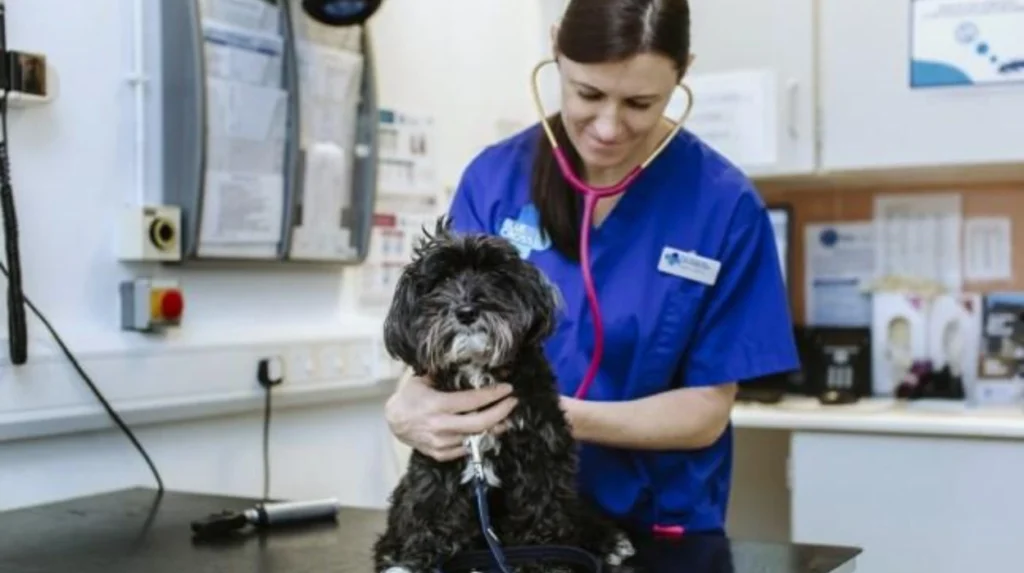
Routine veterinary care includes health examinations, vaccinations, parasite control, microchipping, neutering, dental care, weight monitoring and preventive advice designed to identify health problems before they become serious.
Preventive healthcare forms the foundation of companion-animal veterinary medicine. Regular examinations allow veterinary professionals to assess an animal’s general condition and identify changes in weight, mobility, teeth, skin, eyes, ears and behaviour.
Vaccination protects animals against specific infectious diseases. The appropriate vaccination schedule depends on the animal’s species, age, previous vaccination history, lifestyle and travel requirements.
Microchipping is another important part of responsible pet ownership. In England, cat microchipping became compulsory on 10 June 2024. Owners must ensure their cats are microchipped before reaching 20 weeks of age, subject to the legal requirements and exemptions.
Dogs are also subject to compulsory microchipping requirements in England. The current legal framework is contained in the Microchipping of Cats and Dogs (England) Regulations 2023.
Neutering is a veterinary procedure used to prevent reproduction and can form part of responsible population management. A vet should explain the procedure, preparation, recovery and individual considerations before treatment.
Dental care is another important element of preventive veterinary medicine. Dental examinations can identify plaque, tartar, gum disease and other oral problems. Owners should also receive advice about home dental care where appropriate.
Routine veterinary appointments therefore involve more than treating illness. They provide a structured opportunity to monitor an animal throughout different stages of life.
How do Headingley veterinary practices deal with emergencies?
Emergency veterinary care requires rapid assessment, so pet owners should contact their registered practice immediately and follow its emergency instructions rather than waiting for a routine appointment.
Veterinary emergencies include serious injuries, breathing difficulties, collapse, seizures, severe bleeding, suspected poisoning, sudden inability to stand and other conditions requiring urgent assessment.
A standard daytime consultation is not the same as emergency treatment. Veterinary practices have different arrangements for emergencies outside normal opening hours. Some direct clients to an out-of-hours provider or another veterinary hospital.
Pet owners should therefore establish their practice’s emergency procedure before an emergency occurs. Keep the practice telephone number available and understand what happens when the surgery is closed.
Leeds Kirkstall Vets for Pets lists out-of-hours support and directs clients towards its emergency arrangements when the practice is closed. Yorkshire Vets Meanwood also publishes separate daytime and out-of-hours contact arrangements.
During an emergency, provide the veterinary team with clear information. State the animal’s species, age, symptoms, approximate time the problem started and any known medication or medical history.
Do not administer human medicines unless a veterinary professional specifically instructs you to do so. Some medicines that are safe for people are dangerous to animals.
If poisoning is suspected, retain the packaging or product information and provide it to the veterinary team. This information can help professionals identify the substance and determine appropriate treatment.
What pet services are available around Headingley besides veterinary care?
Pet owners in Headingley can access services beyond veterinary treatment, including pet food retailers, grooming, rescue organisations, animal behaviour support, pet supplies, walking services and specialist animal care across the wider Leeds area.
Veterinary care represents only one part of responsible pet ownership. Everyday animal welfare also depends on appropriate food, exercise, grooming, identification, training and safe accommodation.
Pets at Home in the Kirkstall area provides access to pet supplies alongside the Leeds Kirkstall Vets for Pets practice. Its location gives owners a convenient option for combining veterinary appointments with purchases of food and other pet products.
Headingley also has links to local animal organisations. Cats Protection has a presence in the area, while animal welfare organisations elsewhere in Leeds provide additional support for owners and animals.
Animal behaviour is another important service category. Behaviour problems can involve aggression, anxiety, separation-related behaviour, inappropriate elimination or problems with interactions between animals and people. Veterinary assessment is important where a behavioural change is sudden because illness or pain can contribute to changes in behaviour.
Professional animal behaviour services should be selected carefully. Owners should check qualifications, professional registration and whether the practitioner works alongside veterinary professionals where medical issues are involved.
Pet grooming is also separate from veterinary medicine. Groomers handle coat maintenance, bathing, clipping and related routine care. They do not replace veterinary professionals for medical problems.
Pet walking and pet sitting provide practical support for owners who work long hours, travel or have other commitments. Clear instructions should cover feeding, medication, exercise, emergency contacts and veterinary arrangements.
How should visitors travelling with pets prepare for veterinary care in Headingley?
Visitors travelling with dogs, cats or ferrets should carry identification and vaccination records, confirm their accommodation accepts pets, and know the location and contact details of the nearest veterinary practice before travelling.
Pet travel requires additional planning because an unfamiliar environment can increase the risk of stress, injury or unexpected illness.
Visitors travelling within the United Kingdom should carry relevant veterinary records. These records help a new veterinary practice understand an animal’s vaccination history, medication and previous treatment.
International travel has additional legal requirements. GOV.UK states that dogs, cats and ferrets entering Great Britain must meet specific requirements covering microchipping, rabies vaccination, documentation and, where applicable, tapeworm treatment.
For travel into Great Britain, the animal must be microchipped before or at the same time as its rabies vaccination. The government guidance states that the first rabies vaccination requires a waiting period of at least 21 full days before travel.
Dogs entering Great Britain can also require tapeworm treatment. The treatment must be administered within the specified period before arrival.
Travellers should also check approved routes and carrier rules. Veterinary documentation requirements differ according to the country of origin and travel circumstances.
Visitors leaving Great Britain for the European Union need an Animal Health Certificate. GOV.UK states that the certificate must be issued by an Official Veterinarian and is valid for entry into the EU within 10 days of issue.
These requirements make veterinary planning particularly important for tourists travelling with pets. A local Headingley veterinary practice can provide advice about applicable treatments and documentation, but travellers should check the latest government rules before departure.
Why is microchipping important for Headingley pet owners?
Microchipping provides permanent electronic identification for pets and helps veterinary practices, councils and animal welfare organisations identify lost animals and reconnect them with their owners.
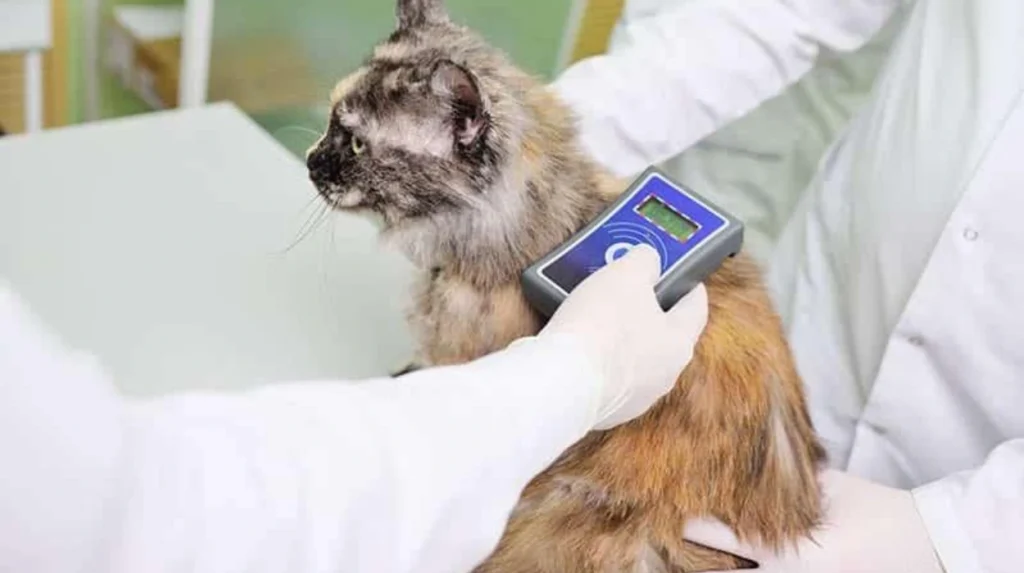
A microchip contains a unique identification number that can be read with an appropriate scanner. The number links the animal to keeper information held on a compliant database.
Microchipping only works effectively when registration details remain accurate. Owners should update their contact information when they change address or telephone number.
Cat microchipping became a legal requirement in England in June 2024. The government stated that more than nine million pet cats were living in England when the requirement was introduced.
Microchipping is particularly relevant in urban areas such as Headingley. Busy roads, shared residential spaces and high population density create situations where animals can become separated from their owners.
A collar and identification tag remain useful visible identification methods. A microchip provides a separate identification mechanism when a collar is lost or removed.
Pet owners should ask a veterinary practice to scan an existing microchip during routine appointments. This confirms that the chip is readable and helps identify discrepancies in recorded information.
What should pet owners consider when choosing a Headingley veterinary practice?
The strongest choice depends on the animal’s needs, the practice’s services, opening hours, emergency arrangements, location, accessibility, registration process, professional standards and the availability of suitable follow-up care.
Cost is an important consideration, but veterinary care should be assessed across the complete service rather than consultation price alone.
Owners should check whether a practice treats their animal species. Most local Headingley practices focus on small companion animals, while specialist veterinary centres handle specific species or complex cases.
Opening hours also affect convenience. Beechwood Vets Headingley currently publishes weekday opening hours, while nearby practices have different schedules. These hours can change, so owners should confirm them directly before travelling.
Emergency arrangements deserve particular attention. A practice that provides daytime consultations can use a separate provider for overnight emergencies. Knowing this arrangement in advance prevents delays during urgent situations.
Accessibility matters for older owners, people with mobility needs and animals that are difficult to transport. Parking, public transport access, entrance arrangements and waiting-room facilities can all influence practical suitability.
The RCVS Practice Standards Scheme provides another useful reference point. Accreditation indicates that a practice has been assessed against defined professional standards. Owners should still check the individual services and current status of a practice.
Pet insurance is also relevant. Insurance policies differ in their exclusions, excesses, waiting periods and limits. Owners should understand policy requirements before treatment is needed.
How does Headingley’s history shape its modern pet services?
Headingley’s modern pet services operate within a neighbourhood shaped by residential growth, local commerce and changing patterns of urban life, creating demand for convenient services close to homes, workplaces and transport routes.
Headingley developed as an important suburban district within the wider growth of Leeds. Its residential character expanded alongside improved transport connections and the city’s wider urban development.
The area now combines historic buildings with modern housing, shops, restaurants, professional services and community facilities. This mixed urban structure supports a wide range of everyday services.
Pet ownership forms part of this local economy. Veterinary surgeries, pet retailers and animal-related services respond to demand from households living across Headingley and neighbouring districts.
As you explore the modern neighbourhood, you are also crossing land with a deep heritage. Read about the full [Insert Anchor Text for History Article Here] to understand its origins.
Understanding this context helps explain why pet services are distributed across Headingley and nearby districts rather than concentrated in one commercial centre. Residents use services according to proximity, transport links, opening hours and the particular needs of their animals.
What should new Headingley pet owners do first?
New pet owners should register with a local veterinary practice, arrange an initial health assessment, check vaccination and microchip records, establish emergency arrangements and create a preventive healthcare schedule suited to the animal.
Registering early is more practical than waiting until an animal becomes ill. A veterinary practice can create a medical record and advise on vaccinations, parasite control and other preventive measures.
New owners should bring all available medical documentation to the first appointment. This is particularly important for rescued animals, recently purchased pets and animals that have moved from another city.
Microchip details should also be checked. The registered keeper information must remain current so that the identification system works effectively if the animal becomes lost.
Owners should ask about preventive treatment. Depending on species and lifestyle, this can involve vaccination, parasite control, dental care, weight monitoring and other routine measures.
A written record of treatments is useful. Digital records can also help when changing practices, travelling or arranging boarding and pet care.
Pet owners should also identify the nearest emergency provider. This is especially important for households with young animals, older animals or pets with existing medical conditions.
Explore More Area Guide
Headingley Opticians and Eye Care Services Guide
Headingley Dentists and Dental Care Services Guide
How can Headingley pet owners prepare for long-term animal care?
Long-term pet care requires regular veterinary monitoring, preventive treatment, accurate identification, appropriate nutrition, exercise, dental care and a clear plan for emergencies, travel, medication and changes associated with ageing.
Animal healthcare changes throughout an animal’s life. Puppies and kittens have different preventive requirements from adult animals, while older pets often need closer monitoring for age-related conditions.
Weight management is a central part of long-term health. Veterinary teams can assess body condition and recommend appropriate feeding and activity levels.
Dental health also requires ongoing attention. Problems that develop gradually can become significant if owners do not monitor the mouth and teeth.
Exercise requirements differ by species, breed, age and health status. Headingley’s connection with parks and residential green spaces provides opportunities for local dog walking, while owners must still follow public-space rules and maintain control of their animals.
Owners should also plan for periods when they are away. A trusted pet sitter, boarding facility or family member can manage routine care, but they need clear instructions and emergency veterinary details.
Travel planning is another part of long-term care. International journeys require advance preparation because microchipping, vaccination, health certificates and treatment requirements operate according to strict timelines.
What makes local veterinary care important for Headingley?
Local veterinary care gives Headingley pet owners access to preventive medicine, diagnosis, treatment and professional advice within the wider neighbourhood, reducing the practical distance between everyday pet ownership and animal healthcare.
A local veterinary practice becomes part of an animal’s long-term healthcare network. Routine records build a history that helps veterinary professionals understand changes over time.
Headingley residents have access to a practice within the neighbourhood and additional options in nearby Kirkstall and Meanwood. This creates flexibility when owners need a particular service, different opening hours or alternative access arrangements.
The best approach is to establish routine care before an emergency occurs. Registering early, keeping identification details current and understanding out-of-hours arrangements create a stronger foundation for responsible pet ownership.
For tourists and short-term visitors, preparation is equally important. Travelling with an animal requires appropriate documents, identification, transport planning and knowledge of local veterinary contacts.
Headingley’s veterinary infrastructure therefore serves more than emergency treatment. It supports preventive healthcare, responsible ownership, animal welfare and the practical needs of residents and visitors living with companion animals.
Veterinary information, opening hours and service availability can change. Pet owners should confirm current details directly with the relevant practice and check official government guidance for legal pet-travel requirements before making arrangements.
Are there veterinary practices in Headingley?
Yes. Beechwood Vets has a Headingley Surgery on Kirkstall Lane. Pet owners in the wider area can also use veterinary practices in nearby Meanwood and Kirkstall.