The top hidden gems in Garforth include the Lines Way nature trail, the RSPB St Aidan’s Nature Park, local independent cafés on Main Street like Saffron Garforth and Vesuvius, and nearby heritage estates such as Lotherton Hall and Temple Newsam.
- Definition and background of Garforth tourism
- Ecological and natural attractions
- Independent culinary and social venues
- How do visitors access the historical sites around Garforth?
- What facilities are available for digital nomads and business travellers in Garforth?
- What is the future outlook for tourism and leisure in Garforth?
Definition and background of Garforth tourism
Garforth is a suburban town located six miles east of Leeds City Centre in West Yorkshire, England. While traditionally recognized as a residential and industrial hub, the area contains a distinct collection of ecological corridors, preserved historical landmarks, and independent commercial establishments. Tourism in Garforth focuses primarily on green infrastructure, industrial heritage, and culinary leisure. The town serves as an accessible base for regional visitors due to its positioning between major transport networks, including the A1(M) motorway and the terrestrial rail line connecting Leeds to York and Hull.
Ecological and natural attractions
The primary natural asset within the immediate vicinity of Garforth is the Lines Way. The Lines Way is a 4.6-mile linear nature reserve managed by the Yorkshire Wildlife Trust. This trail repurposes the redundant trackbed of the Leeds, Castleford, and Pontefract Junction Railway, which ceased rail operations in 1969. The corridor links Garforth to Allerton Bywater and provides direct access to several localized nature reserves, such as Townclose Hills and Letchmire Pastures. The path features a limestone-rich substrate that supports specific floral species, including wild orchids and twayblade.
Adjacent to the southern boundary of Garforth lies the RSPB St Aidan’s Nature Park. This 400-hectare site is a former open-cast coal mine transformed into a wetland reserve managed by the Royal Society for the Protection of Birds. The reserve contains 12 kilometers of paths, footpaths, and bridleways. It serves as a critical breeding ground for rare avian species, including the bittern, marsh harrier, and black-necked grebe. The geographical landscape comprises deep lakes, reedbeds, and open pastures, making it a prominent regional hub for ornithologists and hikers seeking quiet alternatives to busier urban parks in central Leeds.
Independent culinary and social venues
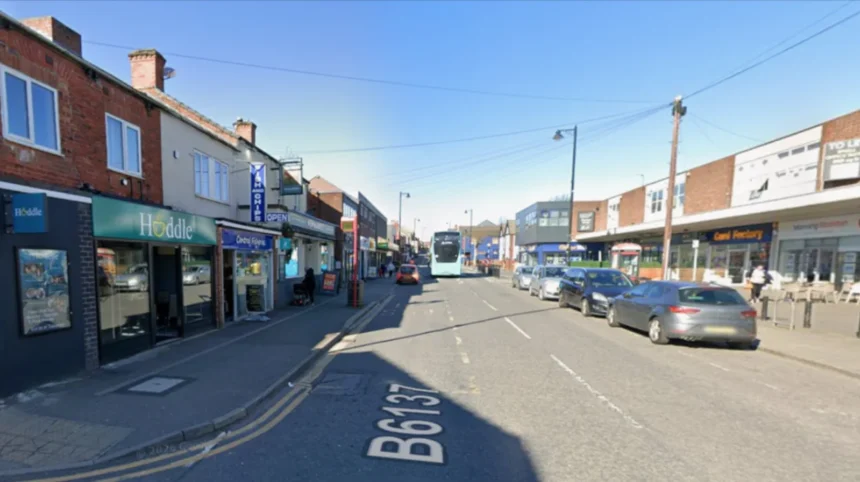
The commercial core of Garforth centers on Main Street, a thoroughfare hosting a high density of independently owned retail units and food establishments. Venues such as Saffron Garforth, Vesuvius, and The Good Food Store provide targeted dining options that attract regional visitors. These establishments cater to diverse demographics, including tourists, local residents, and digital nomads who utilize the spaces for remote work.
The social infrastructure also includes established community venues like The Station House, a restaurant situated near the railway infrastructure, and traditional public houses such as The Briggate, a JD Wetherspoon establishment operating on the historical site of the Garforth Liberal Club founded in 1886. Main Street itself preserves old spatial patterns; historical records indicate the road was previously named Briggate, derived from the Old Norse words “brig” meaning bridge and “gata” meaning road.
How do visitors access the historical sites around Garforth?
Visitors access the historical sites around Garforth via the dual railway platforms at Garforth Station, localized municipal bus routes operating from Leeds City Centre, and major highway systems including the A63, A1(M), and M62 motorways.
Transport infrastructure and connectivity
Garforth functions as an integrated transport node within West Yorkshire, facilitating rapid transit for domestic and international visitors. Garforth Railway Station, located on Station Road, is positioned on the York and Selby lines. Northern Trains and TransPennine Express operate regular direct services from this station, providing a direct 10-minute transit time from Leeds City Centre, a 25-minute link from York Station, and connections to Manchester Airport. For motorists, the town is circumscribed by the A63 dual carriageway and sits within two miles of Junction 47 on the M1 motorway, enabling straightforward vehicular navigation to peripheral heritage locations.
As you explore the modern site, you are crossing land with a deep heritage. Read about the full [Garforth Industrial Coal Mining History and Heritage] to understand its origins.
Nearby historic estates and halls
The geographical positioning of Garforth allows tourists to access significant country houses and estates located within a five-mile radius. Lotherton Hall, situated in nearby Aberford, is an Edwardian estate that includes a preserved historic house museum, a dedicated fashion gallery, formal gardens, and Wildlife World, a conservation oriented zoo hosting over 300 birds and mammals. The property belongs to Leeds Museums and Galleries and provides insights into the upper-class lifestyle of the Gascoigne family, who historically owned significant land and mining rights across the Garforth area.
To the west of Garforth lies Temple Newsam, a Tudor-Jacobean mansion set within 1,500 acres of parkland designed by Lancelot “Capability” Brown. The mansion contains more than 40 rooms open to the public, showcasing extensive collections of fine art, Chippendale furniture, and historic silver. The estate also operates Home Farm, one of the largest working rare-breed centers in Europe, which preserves historic agricultural practices and features livestock breeds such as Kerry Hill sheep and Middle White pigs.
What facilities are available for digital nomads and business travellers in Garforth?
Facilities for digital nomads and business travellers in Garforth include high-speed Wi-Fi networks at independent Main Street cafés, dedicated workspace amenities at local hotels, and rapid rail connectivity to the commercial centers of Leeds and York.
Work friendly environments and hospitality hubs
The demand for flexible workspace infrastructure has altered the operational models of Garforth’s hospitality venues. Independent establishments along Main Street offer accessible environments for remote professionals requiring reliable internet access, power outlets, and desk space. The presence of these hubs allows business travellers to maximize downtime between regional meetings without returning to the central business district of Leeds.
| Venue Name | Primary Amenity | Distance from Garforth Station |
| Saffron Garforth | High-speed Wi-Fi & workspace | 0.2 miles |
| Clip ‘n Climb Café | Public seating & power points | 0.9 miles |
| Holiday Inn Leeds – Garforth | Meeting rooms & business center | 1.2 miles |
| The Station House | Dining & short-stay workspace | 0.1 miles |
Corporate infrastructure and logistics
For corporate visitors requiring dedicated meeting facilities, the Holiday Inn Leeds – Garforth, situated on Aberford Road, provides comprehensive business logistics. The hotel features fully equipped meeting rooms, conference facilities for up to 250 delegates, and dedicated work desks within guest accommodations. The property features electric vehicle charging infrastructure and extensive parking fields, accommodating logistics for domestic business travelers utilizing the intersection of the M1 and A63 transport corridors. The proximity of Garforth Station enables these business travelers to commute to central corporate headquarters within West Yorkshire inside 15 minutes.
What is the future outlook for tourism and leisure in Garforth?
The future outlook for tourism in Garforth relies on the expansion of green infrastructure, the preservation of historical walking routes, and the integration of commercial developments at the nearby Thorpe Park and East Side retail hubs.
Strategic environmental and urban integration
Urban planning strategies by the Leeds City Council emphasize the preservation and enhancement of the green spaces surrounding Garforth. The continued development of the Lines Way and the expansion of habitat conservation projects at RSPB St Aidan’s are designed to increase biodiversity while managing growing visitor numbers. These initiatives aim to capture a larger segment of the ecotourism market, drawing visitors who prioritize sustainable travel, wildlife monitoring, and low-impact outdoor recreation.
Economic implications of regional retail and leisure expansion
The growth of peripheral commercial zones, specifically The Springs at Thorpe Park located 1.5 miles from central Garforth, directly influences local tourist dynamics. These large-scale developments introduce modern leisure facilities, including multi-screen cinemas, high-density retail outlets, and diverse dining establishments such as Wagamama.
This commercial expansion complements the independent, heritage-driven market on Garforth Main Street, creating a dual-tiered attraction profile where visitors can access both modern corporate leisure facilities and traditional village-style independent shops within a single itinerary. This economic integration secures Garforth’s position as a multifaceted destination for leisure travelers, families, and business professionals within the Yorkshire region.