


Free drug or alcohol help in Leeds means you can access professional support without paying directly for assessment, counselling, or many treatment programmes. These services are funded by the NHS, local authorities, and charities, and they are designed for adults and young people who live in the city. The main provider is Forward Leeds, which coordinates a range of clinical and psychosocial interventions alongside GPs and specialist NHS teams.
- What free drug or alcohol help means in Leeds
- Who can access free help in Leeds
- How free help is structured in practice
- Who provides free drug or alcohol support in Leeds
- Other key free services in Leeds
- How to get free help if you are an adult in Leeds
- What happens during an adult assessment
- How to start treatment or support as an adult
- How to get free help if you are a young person in Leeds
- University‑based drop‑ins and support
- Additional youth resources in Leeds
- What types of free treatment and support are available
- Medication‑assisted treatment in Leeds
- Harm‑reduction and community services
- Are there any costs or catches to free help
- How to prepare for your first appointment
- What to expect during the first assessment
- When to seek emergency or urgent help
What free drug or alcohol help means in Leeds
Free drug or alcohol help in Leeds refers to services you do not pay for at the point of use. It includes assessments, counselling, group programmes, and some medically supervised treatments, such as withdrawal management or medication‑assisted therapy for alcohol or opioid dependence. These services are part of a public‑health system, separate from private rehab clinics that usually charge fees even if they are based near Leeds.
Most free support in Leeds is delivered through Forward Leeds, the city’s main alcohol and drug service, and through NHS primary‑care providers such as your GP. Some services may have waiting times or capacity limits, but the underlying clinical and psychosocial support is generally free if you are a Leeds resident or eligible through local NHS contracts.
Who can access free help in Leeds
Adults and young people who live in Leeds can usually access free drug or alcohol help regardless of employment status, housing situation, or prior contact with services. Some programmes prioritise certain age bands or postcode areas, but most are designed to be inclusive and accessible to anyone who meets basic eligibility criteria. People who are homeless, on low income, or experiencing co‑occurring mental‑health problems are explicitly included in the service design.
Students at universities in Leeds, such as the University of Leeds, can also access dedicated drop‑in and counselling services that are free and confidential. These university‑linked sessions are often run in partnership with Forward Leeds and are tailored to younger adults who may not feel comfortable in traditional health‑care settings.
How free help is structured in practice
Free drug or alcohol help in Leeds typically covers initial assessments, brief advice, structured counselling, group therapy, and ongoing recovery‑focused activities. It also includes harm‑reduction support such as naloxone provision and information on safer use, as well as referrals to housing, benefits, and mental‑health services when needed. These elements are usually funded through NHS or local‑authority contracts, so there is no direct charge for them.
The term “free” does not usually extend to private residential rehabilitation, which often requires payment even if the clinic is physically located near Leeds. Some outpatient medical care, such as prescribing of maintenance medications for opioid dependence, is provided through NHS‑funded pathways and does not normally require out‑of‑pocket payment, but it is delivered under strict clinical supervision rather than as an open‑access service.
Who provides free drug or alcohol support in Leeds
The primary provider of free drug or alcohol support in Leeds is Forward Leeds, the city’s designated alcohol and drug service. Forward Leeds operates as a multi‑agency partnership involving several large charities and an NHS mental‑health trust, delivering a wide range of interventions across the city. It is one of the largest projects of its kind in the UK and is specifically commissioned to address substance‑use problems in Leeds.
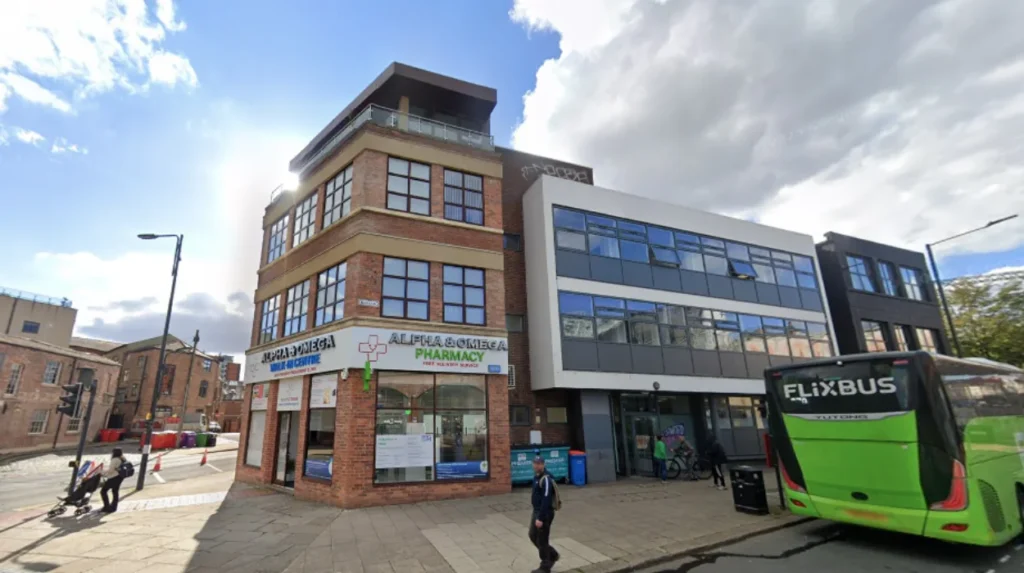
Forward Leeds runs multiple centres and outreach points, each offering assessments, counselling, recovery activities, and prevention work. These centres are listed on NHS directories and the service’s website, with clear contact numbers and opening hours. People can often self‑refer by phone or email, and some locations allow walk‑in or drop‑in appointments, especially for younger adults and students.
Other key free services in Leeds
In addition to Forward Leeds, several other organisations and pathways provide free or low‑cost drug and alcohol support in Leeds. NHS primary‑care services, including your registered GP practice, can assess your health risks, start or coordinate medication‑assisted treatment, and make formal referrals to specialist addiction services. GPs are an important first step for people with complex physical or mental‑health conditions linked to substance use.
MindWell Leeds and similar local organisations list additional support options, including forward‑facing NHS services, national helplines such as Frank, and specialist gambling‑support pathways that sometimes overlap with alcohol and drug problems. These resources help people explore different routes into support and can be useful if you are unsure which service to contact first.
How to get free help if you are an adult in Leeds
If you are an adult living in Leeds and want free drug or alcohol help, you can usually start by contacting Forward Leeds directly or by visiting your GP. Self‑referral to Forward Leeds allows you to begin the process without waiting for a formal letter or referral, though a GP visit can still be valuable if you need medicines, have withdrawal risks, or have other health conditions. Many people in Leeds use both routes: a GP for medical assessment and Forward Leeds for ongoing counselling and recovery support.
When you contact Forward Leeds by phone or in person, a staff member will arrange an assessment appointment at one of their centres. During this session, a trained worker will ask about your patterns of use, physical and mental health, and social circumstances in order to agree on realistic goals. Based on this assessment, you may receive a personalised care plan that includes one‑to‑one support, group programmes, or coordination with medical services.
What happens during an adult assessment
An adult assessment for drug or alcohol help in Leeds usually takes place in one of the Forward Leeds centres or in a partner organisation’s space. The worker conducting the assessment will ask questions about the frequency and amount of alcohol or drug use, any attempts you have made to stop or cut down, and the impact on your health, work, relationships, and housing. You will also be asked about mental health, domestic‑safety concerns, and any history of treatment or hospital admissions.
After gathering this information, the worker will discuss possible next steps with you. These may include structured counselling over several weeks, participation in a recovery group such as 5 WAYS, or referral to a GP or specialist team for medication‑assisted treatment. The assessment is not a test, and its purpose is to match support to your needs rather than to judge or exclude you.
How to start treatment or support as an adult
Once you have completed an assessment, Forward Leeds or your GP will help you start treatment or support. Depending on your situation, this might mean attending weekly counselling sessions, joining a group programme focused on recovery, or beginning a medically supervised detox if you are dependent on alcohol or opioids. The intensity and duration of support are tailored to your risk level and goals, which may range from complete abstinence to harm reduction.
If you need medication‑assisted treatment, such as buprenorphine or methadone for opioid dependence, this is usually arranged through an NHS‑funded pathway. A GP or specialist practitioner will prescribe and monitor the medication, following national guidelines. Forward Leeds can support you alongside this medical care by providing counselling, relapse‑prevention strategies, and referrals to other services that address housing, employment, and mental health.
How to get free help if you are a young person in Leeds
If you are a young person in Leeds, you can access free drug or alcohol help through Forward Leeds, youth‑specific services, and university‑linked drop‑ins. The city’s approach recognises that younger adults often need flexible, accessible, and less formal routes into support. Young people can usually self‑refer to Forward Leeds, but some programmes may require you to be registered with a Leeds GP or to live in a Leeds postcode.
Forward Leeds offers age‑appropriate counselling and harm‑reduction advice for young people, as well as prevention and early‑intervention work in schools and colleges. This includes classroom sessions, workshops, and outreach activities that aim to reduce the risk of problem‑use before it becomes severe. For those who are already using substances, the service can provide individual support and group‑based recovery activities tailored to younger adults.
University‑based drop‑ins and support
Students at the University of Leeds can attend weekly substance and alcohol drop‑in sessions run by Forward Leeds at the Leeds University Union. These drop‑ins are free, confidential, and do not require an appointment, making them especially useful for students who may feel anxious about formal health‑care settings. Trained staff provide information, brief advice, and referrals to longer‑term support if needed.

In addition to drop‑ins, the university environment also offers recovery‑focused events and “sober socials” for students who are in recovery or trying to cut down. These activities are designed to build social connections outside of drinking or drug‑using contexts and to help students maintain healthier routines. They are often promoted through student‑union channels and wellbeing services.
Additional youth resources in Leeds
Young people who are not yet ready for formal treatment can still access free information and support in Leeds. “No Regrets Leeds” offers guidance to young adults aged 18–25 on responsible drinking and how to support friends who may be drinking too much. It provides practical tips on staying safe, understanding alcohol units, and recognising when use is becoming problematic.
National helplines such as Frank also provide free, confidential advice about drugs and related risks. These services can be useful for people who are not sure whether their use is serious enough to warrant treatment but want to understand the facts and explore options. Staff can explain how to access local services in Leeds and can help you think through next steps at your own pace.
What types of free treatment and support are available
Free drug or alcohol treatment and support in Leeds usually fall into several broad categories: counselling and psychosocial support, medication‑assisted treatment, and harm‑reduction and community services. Each type of intervention is designed for different stages of problem‑use or recovery, and many people move between them over time as their needs change.
Forward Leeds and partner organisations provide individual counselling sessions focused on understanding triggers, building coping strategies, and setting realistic goals around reducing or stopping use. Group therapy sessions allow people to share experiences in a structured, facilitated environment, while family‑involvement work helps partners, parents, and children who are affected by someone’s substance use.
Medication‑assisted treatment in Leeds
For people dependent on alcohol or opioids, the NHS in Leeds can provide medication‑assisted treatment through GP practices or specialist teams. This may include medically supervised detox for alcohol, using short‑term medications under strict protocols, or opioid‑maintenance treatment such as methadone or buprenorphine for people dependent on heroin or strong painkillers. These medications are prescribed and monitored according to national clinical guidelines.
Medication‑assisted treatment is not a quick fix, and it is usually combined with counselling and other support. The aim is to stabilise physical dependence, reduce cravings, and create space for psychological and social recovery work. Regular reviews ensure that the dose and duration of treatment are appropriate and that any side effects or risks are managed.
Harm‑reduction and community services
Harm‑reduction services in Leeds focus on reducing the negative consequences of drug and alcohol use without necessarily requiring immediate abstinence. These services may include needle‑exchange‑linked programmes delivered through partner organisations or outreach teams, which help reduce the spread of blood‑borne viruses such as HIV and hepatitis C. Naloxone kits are also available for people at risk of opioid overdose, along with brief training on how to use them.
Community‑based support often includes information and signposting to housing, benefits, and mental‑health services for people whose substance‑use problems intersect with poverty or homelessness. These elements are not substitutes for treatment, but they are recognised public‑health strategies that save lives and make it easier for people to engage with longer‑term recovery services.
Are there any costs or catches to free help
While core addiction‑support services in Leeds are free at the point of use, there are some practical limitations and conditions. Free services are usually funded through NHS or local‑authority budgets, which means they may have waiting times or capacity limits, especially for group programmes or specialist medical appointments. You may also need to travel between different centres, which can involve time and transport costs even though the treatment itself is free.
Private residential rehab clinics near Leeds typically charge fees, even if they advertise free assessments or information sessions. These clinics are separate from the NHS‑funded Forward Leeds system and should not be confused with the city’s main free service. Some NHS‑funded outpatient elements, such as prescribing of maintenance medications, are free as long as they are delivered through approved pathways and under clinical supervision.
How to prepare for your first appointment
If you decide to contact Forward Leeds or your GP for free drug or alcohol help, preparing for your first appointment can make the process more effective. You can start by writing down your typical weekly or daily use of alcohol or drugs, including types and approximate amounts, and noting any physical symptoms such as tremors, seizures, or blackouts. It is also helpful to record any mental‑health changes, such as anxiety, depression, or insomnia, and any previous attempts to stop or cut down.
During the appointment, be as honest as possible about your use, even if you feel embarrassed or worried. Clinical staff are bound by confidentiality and will not usually report your use to the police unless there is a serious risk of harm to you or others. The information you share helps them tailor support to your situation and agree on realistic goals that you can work towards.
What to expect during the first assessment
During your first assessment, a trained worker will ask questions about your substance‑use history, physical and mental health, and social circumstances. They will want to understand how often you use, how much you use, and what effect it has on your life, relationships, work, or study. They may also ask about any physical health problems, such as liver disease, heart problems, or mental‑health conditions, as these can affect treatment options.
After this discussion, the worker will explain the services available and what might be most suitable for you. This could include one‑to‑one counselling, group programmes, medical‑care coordination, or a combination of these. You will have the opportunity to ask questions and to say what you feel comfortable with, and the final plan will be agreed jointly rather than imposed.
When to seek emergency or urgent help
Free drug or alcohol help in Leeds is designed for both long‑term recovery and acute situations. If you or someone else is experiencing severe withdrawal symptoms from alcohol, such as confusion, seizures, or hallucinations, or if there is a suspected overdose or poisoning, you should contact emergency services immediately or attend A&E. In these cases, urgent‑care services take priority, and Forward Leeds can support you once the immediate crisis is managed.
You should also seek urgent help if there are threats of self‑harm, violence, or serious safety concerns related to substance use. NHS urgent‑care services, including emergency departments and mental‑health crisis teams, are equipped to handle these situations. Forward Leeds can then help you move into ongoing treatment and recovery once the acute risks are addressed.