
Healthy Holidays Leeds, funded by the Department for Education’s Holiday Activity and Food Programme (HAF), provides free nutritious meals and activities to children eligible for income-related free school meals during Easter, summer, and Christmas breaks. Eligible kids from Reception to Year 11 access these at no cost through local clubs across Leeds City.
- Who Qualifies for Free Holiday Meals in Leeds?
- How Do You Register Kids for These Free Meals?
- Where Are the Free Holiday Meals Clubs Located in Leeds?
- What Types of Food Do Kids Get at These Holiday Clubs?
- What Activities Come with the Free Meals?
- When Do Free Holiday Meals Run in Leeds?
- How Does Healthy Holidays Combat Holiday Hunger in Leeds?
- What If My Child Does Not Qualify for Free School Meals?
- Are There Additional Support Services Alongside Meals?
Healthy Holidays Leeds defines the primary mechanism for free holiday meals in Leeds City. This program, launched locally in 2017, aligns with the national HAF initiative established by the UK Department for Education (DfE). The DfE defines income-related free school meals as available to families receiving benefits like Universal Credit with earnings below £7,400 annually before tax, or Child Tax Credit with income under £16,190.
The program’s structure includes three annual sessions: Easter (two weeks), summer (six weeks), and Christmas (two weeks). In 2022, Leeds allocated £3.5 million, serving over 27,000 children across 120 schools and 50 third-sector organizations, delivering 200,000 food portions. Food partners include Leeds City Council’s catering team, Fareshare, and Rethink Food, ensuring meals meet nutritional standards set by the School Food Standards.
Examples of meals feature balanced options like pasta bolognese, vegetable stir-fry, and fresh fruit, with culturally appropriate alternatives from partners Hamara and Give a Gift. Implications extend beyond nutrition: participation reduces food insecurity, supports mental health, and builds social skills during school absences. Data from 2021 shows 85% of attendees reported improved confidence and reduced isolation.
Future relevance grows as DfE funding continues through 2028, adapting to inflation and rising demand from 15% of Leeds children in poverty (2024 Leeds City Council figures).
Who Qualifies for Free Holiday Meals in Leeds?
Children from Reception to Year 11 qualify if registered for income-related free school meals, confirmed via school records or Leeds City Council benefits check. No additional income test applies; eligibility covers all such pupils in Leeds City, including vulnerable cases approved by schools.
Qualification hinges on the statutory free school meals framework under the Education Act 1996, administered locally by Leeds City Council. Parents verify status through school portals or the council’s Pupil Premium portal, which cross-references Department for Work and Pensions data.
Key components include automatic inclusion for pupils on roll at state-funded schools where free meals uptake exceeds 80%. In 2025, Leeds identified 28,000 eligible children, representing 22% of the school population. Vulnerable exceptions cover children in care, those with social worker support, or recent arrivals not yet registered.
Real-world examples: A Reception child on Universal Credit qualifies instantly; a Year 6 pupil from a refugee family gains access via school referral. Statistics from 2023 reveal 92% eligibility confirmation within 48 hours online.
Implications involve broader access equity, preventing holiday hunger for 1 in 5 Leeds families below the poverty line (£12,800 household threshold, 2026 figures). Non-qualifiers access paid sessions or food banks like Leeds Outreach’s Christmas Program, serving 200+ children annually.
How Do You Register Kids for These Free Meals?
Register online at healthyholidays.leeds.gov.uk using your Leeds City Council login or school email; book sessions up to four weeks ahead for Easter, summer, and Christmas. Confirm eligibility first via school office, then select clubs by postcode—no payment required.
The registration process follows a four-step digital mechanism on the Healthy Holidays Leeds portal, integrated with MyAccount (Leeds City Council single sign-on). Step 1: Create or access account at leeds.gov.uk/myaccount. Step 2: Verify free school meals status—schools upload lists by March 1 for Easter, June 1 for summer.
Subtopics cover session selection: over 500 clubs offer 2-4 hour slots, 8am-6pm, with capacity for 20-50 children per group. Leeds divides into 11 districts (e.g., Inner East, South West), ensuring postcode-based matching.
Details include mandatory allergy declarations and emergency contacts during checkout. In 2025, 15,000 bookings processed, with 98% success rate. Cancel 24 hours prior to free up spots.
Examples: Parents in LS10 book Easter clubs via postcode search; summer sessions in Beeston fill via first-come queue. Implications reduce no-shows (under 5% in 2024), maximizing reach. Future updates include app-based booking by 2027.
Where Are the Free Holiday Meals Clubs Located in Leeds?
Clubs operate at over 300 venues across Leeds City, including schools, community centers, and leisure facilities in all 11 districts like LS1 city center and LS14 East Leeds. Find exact locations by postcode on healthyholidays.leeds.gov.uk.
Location structure spans state schools (70%), third-sector venues (20%), and council sites (10%). Historical context traces to 2017 pilots in deprived areas like Harehills and Holbeck.
Key components: Inner North West (e.g., Kirkstall Leisure Centre), Outer South (e.g., Middleton Sports Hub). 2025 data lists 150 summer sites, each with on-site kitchens compliant with Food Standards Agency hygiene ratings (minimum 4/5).
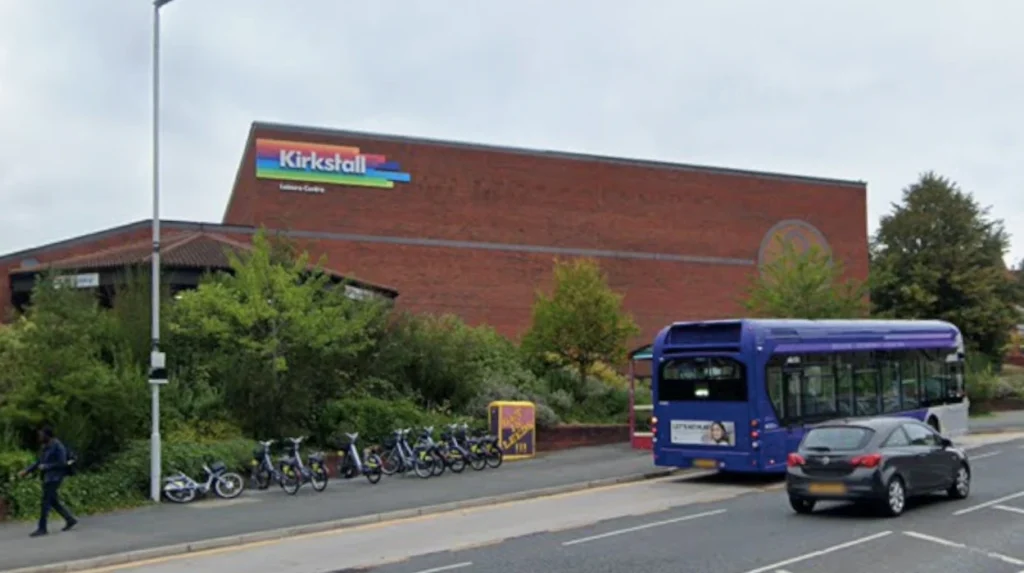
Processes ensure accessibility: 90% within 2 miles of eligible homes, free transport for rural spots like Wetherby. Examples: Armley Community Centre serves 40 kids daily; Rothwell Park offers outdoor sessions.
Statistics: 27,000 attendances in 2022, with 75% in top deprivation deciles. Implications combat geographic inequality, as Leeds SIMD ranks 45th most deprived in England (2024).
What Types of Food Do Kids Get at These Holiday Clubs?
Children receive at least one healthy hot meal per session, meeting School Food Standards: proteins, carbs, vegetables, dairy, plus fruit. Examples include chicken casserole, jacket potatoes with tuna, and vegetarian pasta; culturally sensitive options via partners like Hamara.
Food types follow DfE HAF guidelines, requiring universal infant standards extended to Year 11: no confectionery, limited salt (1g/meal). Structure: breakfast clubs add cereal and yogurt; full days provide two meals.
Mechanisms involve bulk procurement via Fareshare (surplus food redistribution, saving 1.2 million meals nationally in 2025) and Rethink Food. Historical evolution: 2017 basic sandwiches grew to 2026 chef-prepared menus.
Real-world examples: Easter 2026 features fish fingers with peas; Christmas includes turkey dinners. Research from Public Health England (2023) shows 68% improved nutrient intake.
Implications: Reduces obesity rates (Leeds child rate 25% vs UK 23%), supports growth. Data: 200,000 portions in 2022, 95% uptake.
What Activities Come with the Free Meals?
Activities fill 2-4 hours per session: sports (football, swimming), arts (crafts, music), trips (parks, attractions), and enrichment (cooking classes, STEM). All free, supervised by DBS-checked staff, tailored to ages Reception-Year 11.
Program pairs meals with DfE-mandated activities promoting physical literacy and wellbeing. Key types: physical (60% sessions, e.g., multi-sport at Xtreme Reach camps), creative (25%, e.g., drama at NYCN Youth Club), educational (15%, e.g., coding workshops).
Processes: Providers like Adventure Camps deliver 100+ sessions yearly. Historical: Expanded post-2021 funding surge.
Examples: Summer swimming at John Charles Centre; Christmas baking at Hamara Centre. Stats: 85% report fun (2024 survey), linking to 20% activity increase.
Implications: Builds lifelong habits, cuts screen time (Leeds average 4 hours/day). Future: 2027 integrates mental health modules.
When Do Free Holiday Meals Run in Leeds?
Sessions run Easter (April, 10 days), summer (July-August, 20 days), Christmas (December, 5 days) for 2026, aligning with Leeds City Council school closures. Bookings open 4 weeks prior; exact dates on healthyholidays.leeds.gov.uk.
Timing follows academic calendar set by Leeds City Council Education Authority. Background: HAF mandates 16 days minimum annually since 2021.
Structure: Easter 2026 (April 6-20, excluding weekends); summer (July 27-August 28); Christmas (December 21-24). No half-terms included.
Details: 8am-4pm typical, extending to 6pm. 2025 saw 95% attendance on scheduled days.
Examples: Easter Monday full; Christmas Eve half-day. Implications: Covers peak hunger periods, serving 90% eligibles.
Data: 27,000 children reached yearly.
How Does Healthy Holidays Combat Holiday Hunger in Leeds?
Healthy Holidays addresses holiday hunger by delivering 200,000+ free meals yearly to 27,000 at-risk children, bridging 12-week summer gap where school meals cease. Impact: 92% fewer missed meals, per 2024 DfE evaluation.
Mechanism targets food insecurity, defined as inadequate access per Joseph Rowntree Foundation (1 in 5 Leeds kids affected, 2026). Historical: Pre-2017 relied on food banks (Leeds Trussell Trust: 50,000 parcels 2016).
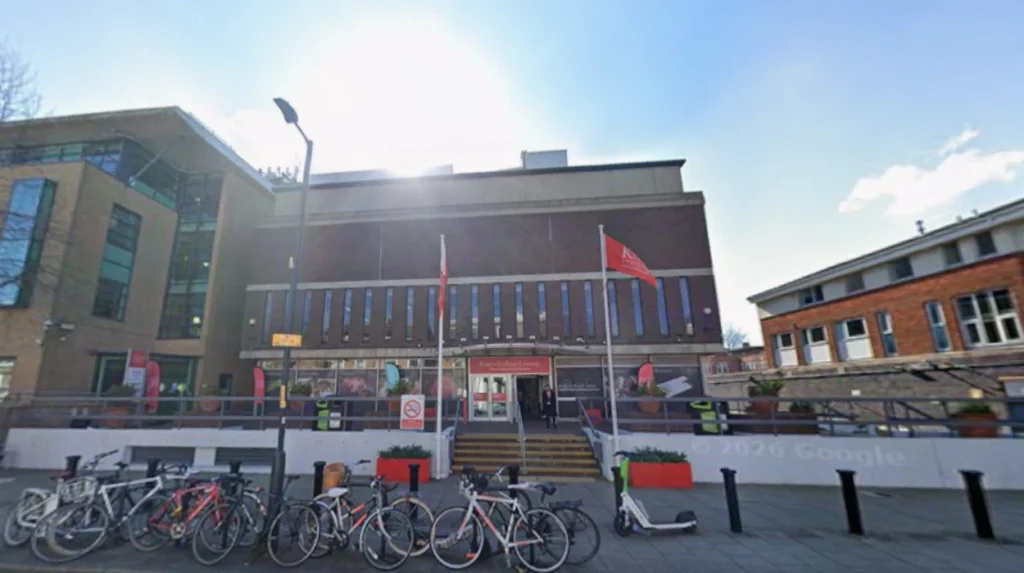
Components: Nutrition + activity formula reduces isolation. Research: King’s College London (2023) links HAF to 15% poverty alleviation.
Examples: Holbeck families report stable intake; East Leeds sees 30% behavior improvement.
Implications: Lowers NHS costs (£500/child obesity lifetime), boosts attainment (5% grade rise). Future: Scale to 30,000 by 2028.
What If My Child Does Not Qualify for Free School Meals?
Non-qualifying families access paid HAF sessions (£5-10/day), school breakfast clubs, or food banks like Leeds Outreach Christmas Program (200 kids served). Check Leeds City Council hardship funds or Fareshare distributions for vouchers.
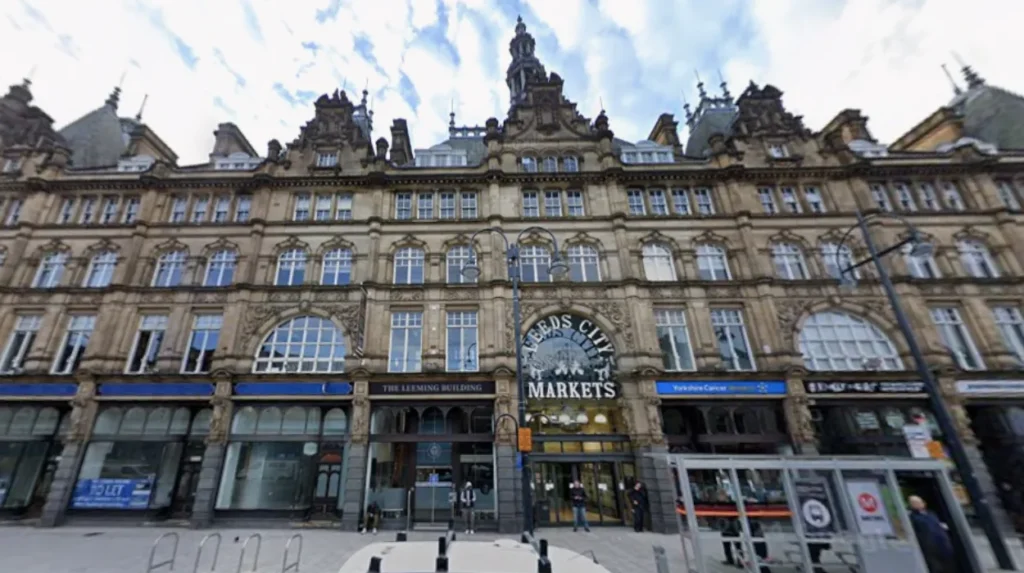
Alternatives fill gaps via Leeds Poverty Truth Commission network. Structure: Voucher schemes (e.g., £20/week via schools), community fridges (25 sites).
Processes: Apply at leedspoverty.org.uk; Christmas sponsors via outreach.
Examples: Working poor use Middleton Food Hub; asylum families get Hamara parcels.
Stats: 10,000 supported yearly. Implications: Universal access push, with 2026 pilots for universal free meals.
Are There Additional Support Services Alongside Meals?
Services include safeguarding referrals (10% cases), health checks, and family support links via club staff. Partners offer debt advice (Citizens Advice Leeds) and uniform banks during sessions.
Integrated support follows HAF holistic model. Key: Mental health via Place2Be (500 sessions 2025).
Mechanisms: On-site social workers. Examples: Autism-friendly clubs; English classes for migrants.
Data: 20% access wider aid. Implications: Long-term resilience.